The Secret Architecture of the US-Iran Deal: Digital Diplomacy and the 60-Day Countdown
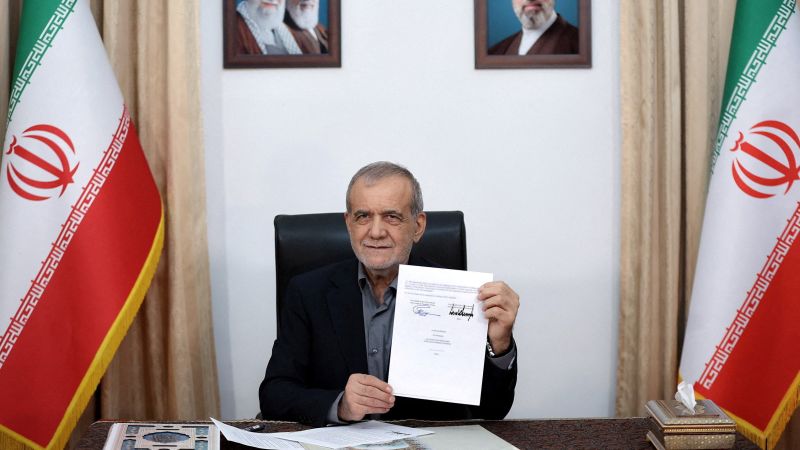
Table of Contents
The High-Stakes Gamble: A New Framework for US-Iran Relations
The geopolitical landscape shifted significantly this week as Iran’s supreme leader announced his authorization of a new US-Iran agreement. While the authorization comes with a caveat—the leader admits to holding a “different view” of the terms—the move signals a fragile but critical opening for a diplomatic resolution to years of escalating tension. Behind the public statements, sources indicate that the United States and Iran have been operating through a sophisticated layer of secret proposals designed to implement the agreement without the immediate political blowback of a public treaty.
- Authorization: Iran’s supreme leader has formally sanctioned the agreement despite personal ideological reservations.
- The Window: A strict 60-day period has been established to finalize the operational details and end active hostilities.
- Diplomatic Pivot: Vice President JD Vance’s cancellation of his trip to Switzerland suggests a recalibration of the negotiation team or a shift in the venue of high-level discussions.
This agreement is not merely a political handshake; it is a technical roadmap. The “secret proposals” mentioned by officials likely involve specific benchmarks for sanctions relief, nuclear monitoring protocols, and cybersecurity guarantees—areas where technology and policy intersect with extreme volatility.
The 60-Day Implementation Window: What is Actually Happening?
The announcement of a 60-day period to finalize the deal suggests that the broad strokes of the agreement are complete, but the technical annexes—the “how” of the deal—remain contested. In diplomatic terms, this is the most dangerous phase. This period will likely focus on the verification mechanisms that ensure both parties adhere to the terms.
The Role of Verification Technology
A central pillar of any US-Iran deal is the ability to verify compliance. This involves the deployment of advanced monitoring hardware and software, often managed by the International Atomic Energy Agency (IAEA). The current secret proposals are rumored to include updated digital surveillance protocols to prevent “breakout” capabilities in nuclear development. For the US, the goal is total transparency; for Iran, the challenge is maintaining national security while allowing international inspectors access to sensitive sites.
The Switzerland Pivot and JD Vance
The White House recently confirmed that Vice President JD Vance is no longer traveling to Switzerland. While the administration maintains that plans had not been finalized, the timing is telling. Switzerland has historically served as the “protecting power” for the US in Iran, providing a neutral ground for the exchange of prisoners and the negotiation of frameworks. The removal of Vance from the immediate travel itinerary may indicate a shift toward lower-level technical working groups before the political principals return to the table.
Geopolitical Friction: The Israel-Lebanon Variable
No US-Iran agreement exists in a vacuum. The current diplomatic push is occurring against a backdrop of intense military activity in Lebanon. Vice President JD Vance has been vocal in his criticism of the Israeli offensive, suggesting that the military escalation is actively impeding the diplomatic process.
“If I was in the cabinet of the Israeli government, I might not be attacking the only powerful ally that I have anywhere left in the entire world.”
This statement reflects a growing rift in strategic alignment. From a technical standpoint, the instability in Lebanon creates a “noise” problem for diplomats. When regional proxies are engaged in active combat, the trust required to sign a long-term agreement with Tehran evaporates. The US is currently attempting to balance its ironclad support for Israel’s security with the pragmatic need to prevent a wider regional war that would render the 60-day window moot.
What This Means for Global Stability and Tech Markets
The implications of a successful US-Iran agreement extend far beyond the borders of the Middle East. The global energy market and the cybersecurity sector are the primary stakeholders in this diplomatic theater.
Energy Market Volatility
A finalized deal would likely lead to the gradual reintegration of Iranian oil into global markets. For tech-driven energy traders and algorithmic hedge funds, this introduces a massive variable into pricing models. A surge in supply could lower global prices, impacting everything from shipping costs to the operational overhead of data centers that rely on cheap energy.
Cybersecurity and State-Sponsored Actors
Historically, tensions between the US and Iran manifest in the digital realm. From the Stuxnet worm to recent campaigns targeting critical infrastructure, the “cyber-front” is where these two nations fight their shadow war. A formal agreement often includes a tacit or explicit “cyber-truce.” If the 60-day window results in a deal, we may see a temporary decline in state-sponsored phishing and ransomware attacks originating from Iranian clusters, though such promises are notoriously difficult to verify.
Technical Breakdown: The Mechanics of “Secret Proposals”
When diplomats refer to “secret proposals,” they are usually talking about Side Letters or Memorandums of Understanding (MoUs). These documents operate differently than a formal treaty:
- Flexibility: They allow parties to agree on sensitive points (such as specific sanctions exemptions) without making them part of a public record that could be attacked by domestic political opponents.
- Incrementalism: They allow for a “step-for-step” approach. For example, the US might lift a specific set of sanctions on oil exports in exchange for Iran allowing a specific set of inspectors into a facility.
- Deniability: If negotiations collapse, neither side has to admit to a public failure of a formal treaty, as the proposals were never officially “on the table.”
Frequently Asked Questions
What is the primary goal of the 60-day window?
The 60-day window is designed to transition from a general agreement in principle to a detailed operational plan. This includes setting specific dates for sanctions relief and establishing the technical protocols for nuclear monitoring.
Why is JD Vance’s absence from Switzerland significant?
While the White House downplayed the move, the Vice President’s role in these talks represents the highest level of US executive involvement. His absence could signal a tactical pause or a shift in the negotiation strategy to avoid political friction during a sensitive phase.
How does the conflict in Lebanon affect the US-Iran deal?
The conflict creates instability. If Israel perceives the US-Iran deal as a betrayal of its security interests, or if Iran views Israeli actions as a breach of the peace, the trust necessary to finalize the 60-day window may disappear.
Will this deal end all sanctions on Iran?
It is unlikely that all sanctions will be lifted immediately. Most agreements follow a phased approach, where sanctions are removed incrementally as Iran meets specific, verified benchmarks.
What happens if the 60-day period expires without a deal?
If no agreement is reached, the likelihood of a return to maximum pressure tactics increases, which could lead to further escalation in the Persian Gulf and increased cyber warfare activities.
Final Reporting Note
The success of this diplomatic gambit rests on a razor-thin margin. With the supreme leader’s reluctant authorization and the shifting dynamics of the US-Israel relationship, the next two months will determine whether the region moves toward a managed peace or deeper volatility. The technical details of the secret proposals remain the only true barometer of whether this deal has the substance to survive the political pressures of both Washington and Tehran.