The Robotaxi Paradox: Waymo’s Scale Struggles Amidst Expansion
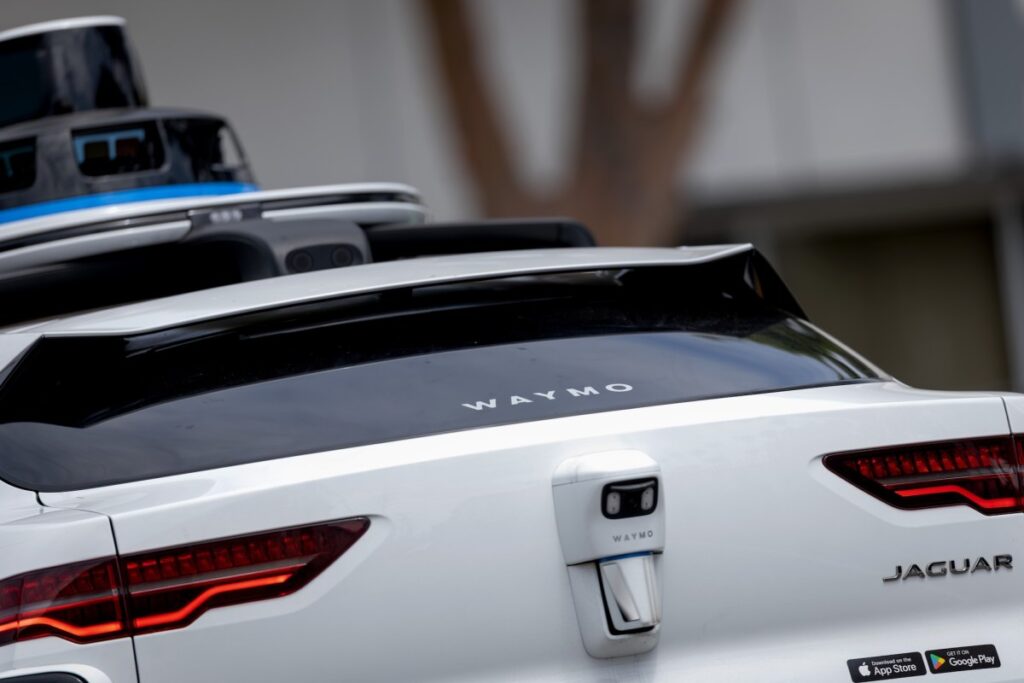
Table of Contents
The Gap Between Launch and Reliability
For a pedestrian in San Francisco, the arrival of the robotaxi era seems like a settled fact. The fleet of Waymo vehicles is a common sight, navigating the city’s steep hills and dense traffic with an autonomy that feels, for the most part, seamless. However, the broader reality for Alphabet’s autonomous driving unit is far more complicated. The transition from a successful pilot to a permanent, scalable utility is proving to be a battle of attrition against environmental edge cases.
Waymo recently paused operations across several major markets, including Atlanta, Dallas, Houston, and San Antonio. The catalyst was a recurring struggle with inclement weather—specifically, the vehicles’ inability to accurately determine when flooded roads or heavy rain rendered a route impassable. The company has since extended these pauses to Austin and Nashville, reflecting a systemic challenge in perception and decision-making that triggered a formal recall last week.
The weather-related setbacks aren’t the only hurdles. Waymo simultaneously halted freeway operations in San Francisco, Los Angeles, Phoenix, and Miami. The company is currently working to refine how its software handles construction zones—areas where human drivers rely on hand signals and intuitive guesswork, but where AI often struggles to interpret temporary lane shifts and worker directives.
The Edge Case Treadmill
This pattern reveals the fundamental paradox of the AV industry: every new city entered or capability unlocked introduces a fresh set of variables. While Waymo remains the undisputed leader in terms of commercial ridership and fleet size, its current trajectory suggests that ‘launching’ is merely the beginning of a much longer, iterative process of failure and refinement.
The industry’s caution is also evident in the strategic pivots of other players. May Mobility recently entered a strategic agreement with Ecarx, a tech company backed by Geely founder Li Shufu. The deal involves the supply of thousands of purpose-built robotaxis, with a roadmap targeting full commercialization by 2028. This multi-year timeline underscores a growing consensus that the ‘last 1%’ of autonomy—the ability to handle rare but dangerous scenarios—will take significantly longer to solve than the initial 99% of driving tasks.
A Hybrid Future for Ride-Hailing
As the technical hurdles persist, the business model for ride-hailing is shifting toward a hybrid approach. Lyft recently clarified its stance on autonomous vehicles, suggesting that a viable service requires a mixture of both human and robot drivers. This position aligns with Uber’s current strategy and serves a dual purpose: it prevents the alienation of the human gig workforce and acknowledges the current limitations of AV scale.
For the average commuter, robotaxis remain a novelty or a niche convenience rather than a daily utility. The industry is moving away from the hype of immediate replacement and toward a more pragmatic integration. Whether Waymo can resolve its weather and construction blind spots quickly enough to maintain its lead remains the critical question for the sector.


