The Rise of ‘Catnomics’: How Japan’s Feline Obsession is Driving a $18 Billion Economy
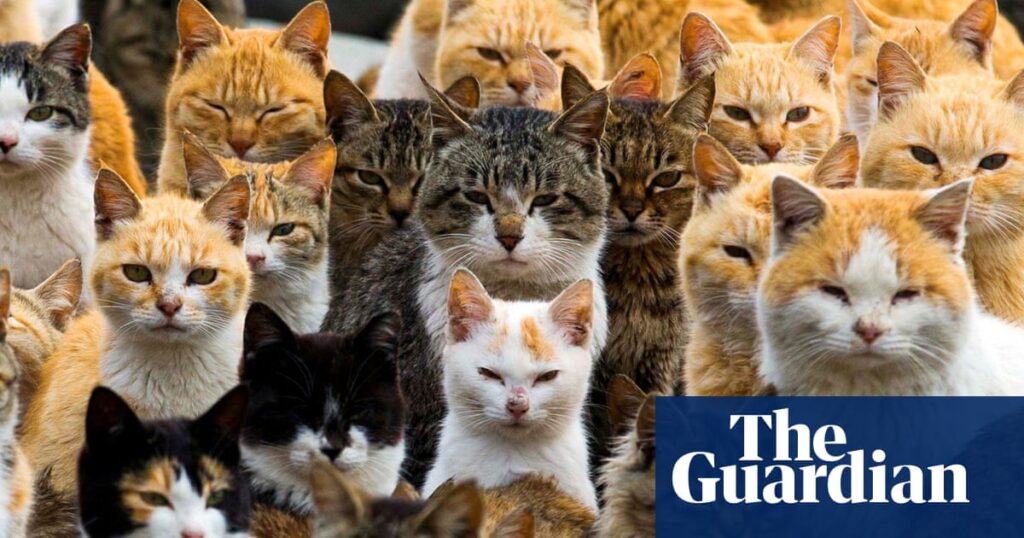
Table of Contents
The Economic Weight of the Paw
In the narrow, atmospheric alleys of Yanaka Ginza, a district in northeast Tokyo often dubbed “cat town,” the influence of the feline is not just cultural—it is commercial. Here, visitors navigate a landscape where cat-shaped sweets, personalized hanko seals, and feline-themed stationery dominate the retail space. While the actual cats often retreat indoors during the humid summer months, the imagery remains, fueling a sophisticated economic engine known as “catnomics.”
The scale of this obsession is now being quantified. According to Katsuhiro Miyamoto, professor emeritus at Kansai University, the feline-driven economy is projected to generate nearly ¥3 trillion ($18.8 billion) in value by 2026. This figure encompasses a massive ecosystem: high-end consumer spending at themed cafes, a surging market for pet electronics and health tech, and the operational revenues of massive food manufacturers. Miyamoto notes that the economic footprint of these animals is currently comparable to that of the 2025 World Exposition in Osaka, illustrating that pets are no longer just companions, but primary drivers of domestic consumption.
A Demographic Shift Toward Felines
The data suggests a fundamental shift in Japanese household dynamics. According to the latest survey from the Japan Pet Food Association, Japanese households now keep 8.8 million cats, comfortably outnumbering the 6.8 million dogs in the country. This trend mirrors a broader sociological pivot toward pets that fit the constraints of urban, high-density living.
The financial commitment from owners is staggering. The average cat-owning household is estimated to spend approximately ¥1.8 million ($11,300) over the lifetime of a single cat. This expenditure is increasingly flowing into specialized services, including advanced veterinary medicine and the “pet-tech” sector—automated litter boxes, smart feeders, and health-monitoring wearables that cater to a demographic of owners who treat their pets as surrogate children.
From Sacred Guardians to Marketing Juggernauts
Japan’s relationship with cats is deeply rooted in historical utility. Introduced during the Nara period (710-794) via envoys from Tang Dynasty China, cats were initially prized by Buddhist temples for protecting sacred scrolls from rodents. This utility evolved into a spiritual aura, eventually manifesting in the maneki neko—the “beckoning cat” statues found in nearly every Japanese business. Legend traces this symbol back to the Gōtokuji temple in Kyoto, where a cat is said to have saved a feudal lord from a lightning strike by beckoning him toward the temple steps.
In the modern era, this spiritual reverence has transitioned into a potent marketing tool. The feline has become a juggernaut in the publishing and entertainment industries. From Natsume Sōseki’s seminal novel I Am a Cat to the surrealist worlds of Haruki Murakami, cats are used as literary devices to explore detachment and Zen-like calm. Publishers frequently utilize feline imagery on covers even for books with no narrative connection to animals, simply to leverage the “kawaii” (cute) appeal that drives sales.
The Sustainability of the Feline Boom
Despite the current windfall, the long-term viability of catnomics faces a significant hurdle: Japan’s collapsing birth rate and aging population. As the demographics shift, the number of households capable of sustaining pets may dwindle. The phenomenon of “cat islands,” such as Aoshima, where felines outnumber humans, serves as a poignant reminder that the survival of these animals is inextricably linked to human presence.
For now, however, the industry continues to expand. With high-profile endorsement from the imperial family and political figures like Sanae Takaichi, the cat’s status in Japan is secure. The transition from temple guardians to economic powerhouses is complete, leaving the feline as one of the most influential entities in the Japanese domestic market.