The ‘No Dust, No Dollars’ Gamble: Inside the Fragile US-Iran Memorandum Negotiations
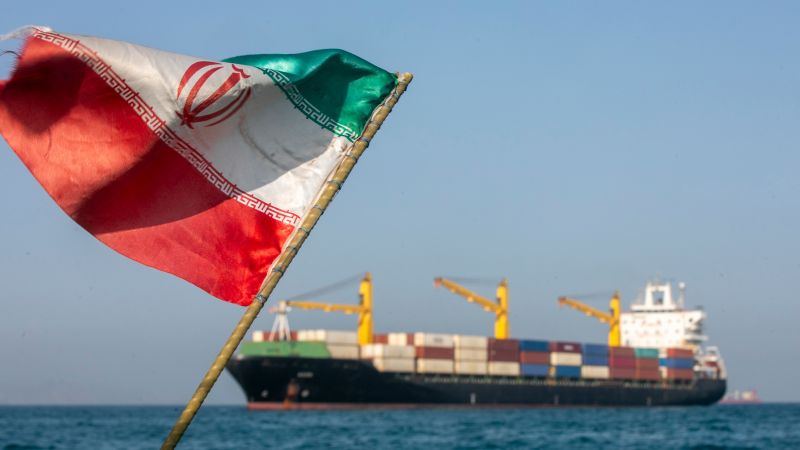
Table of Contents
A Roadmap Built on Contradictions
The United States and Iran are currently locked in a high-stakes diplomatic dance over a proposed memorandum of understanding (MoU) designed to transition a fragile ceasefire into a permanent settlement. While both administrations have signaled a desire to close the gap, the actual text of the proposed agreement has become a battlefield of narrative warfare, with Washington and Tehran offering fundamentally different accounts of the deal’s core requirements.
The friction reached a breaking point early Thursday when the U.S. military executed a series of targeted strikes east of Bandar Abbas, a strategic port city and naval hub. According to U.S. officials, the operation was necessary to neutralize a site posing an immediate threat to commercial shipping and American personnel. The strikes, coupled with the interception of Iranian drones, suggest that while diplomats are talking in Doha and Washington, the military reality on the ground remains volatile.
The Battle for the Strait of Hormuz
At the heart of the dispute is the Strait of Hormuz, one of the world’s most critical energy chokepoints. The proposed MoU reportedly outlines a roadmap for the gradual restoration of commercial traffic to pre-war levels within 30 days. However, the mechanism of control remains a sticking point.
Iranian state media, including the Islamic Republic of Iran Broadcasting (IRIB), claims the draft requires a full withdrawal of U.S. military forces from the region and the lifting of blockades on Iranian ports. Tehran is signaling a desire to maintain oversight of the waterway, with Foreign Ministry spokesman Esmaeil Baghaei clarifying that while Iran is not seeking to collect “tolls,” it intends to provide essential navigation and environmental services—a linguistic shift that suggests a desire for continued sovereign control over the transit.
The White House has reacted sharply to these reports, dismissing the Iranian version of the MoU as a “complete fabrication.” A rapid response account from the White House emphasized that “facts matter,” suggesting that any lifting of the blockade is contingent on Iran’s verifiable commitment to allow unhindered commercial passage.
‘No Dust, No Dollars’: The Nuclear Deadlock
While maritime traffic is the most immediate concern, the long-term stability of the deal hinges on a technical and existential issue: Iran’s stockpile of highly enriched uranium. For the Trump administration, the nuclear component is non-negotiable. The White House has adopted a blunt mantra—”No dust, no dollars”—indicating that no frozen assets will be released and no financial sanctions lifted until Iran’s nuclear materials are eliminated.
Current estimates place Iran’s stockpile of highly enriched uranium at over 440 kilograms, though U.S. intelligence suggests a significant portion may have been neutralized by previous airstrikes. President Trump has demanded that this material be either turned over to the U.S. for destruction or destroyed on-site.
Tehran, however, is attempting to decouple the nuclear issue from the immediate ceasefire. Reports from the Fars News Agency suggest that Iran has made no commitments regarding the handover of nuclear stockpiles or the closing of facilities within the current draft of the MoU. By pushing nuclear discussions into a second, separate phase of negotiations, Iran hopes to secure the lifting of economic blockades before conceding on its strategic nuclear capabilities.
Strategic Ambiguity and the Path Forward
The current state of negotiations reflects a classic geopolitical stalemate. The U.S. is leveraging its military superiority to force a nuclear surrender, while Iran is using its geographic leverage over the Strait of Hormuz to secure economic relief. With Qatari mediators facilitating “generally positive” talks in Doha, the window for a breakthrough remains open, but the disparity between the two sides’ versions of the MoU suggests a profound lack of trust.
The immediate future of the region now depends on whether the “roadmap” can survive the gap between Tehran’s demand for sovereignty and Washington’s demand for total nuclear disarmament.