The New York Times is Turning Wordle Into an NBC Game Show
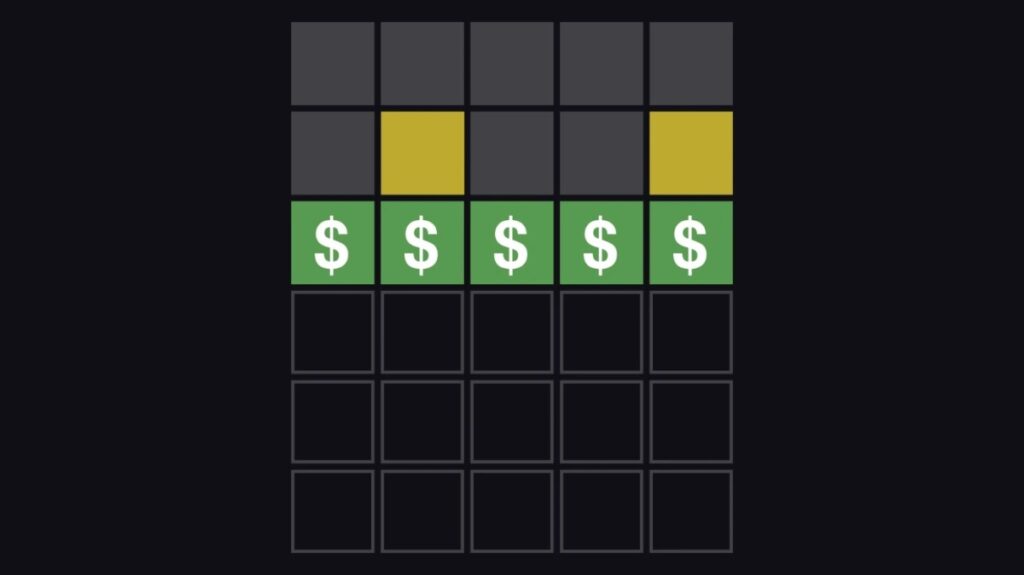
Table of Contents
From Mobile Screens to Primetime
The New York Times is attempting to translate one of the most successful digital habits of the last decade into a linear television spectacle. On Monday, the publication announced a partnership with NBC to transform Wordle, the viral word-guessing game, into a full-scale televised game show.
The project is a joint venture between the Times and NBC, with “Today” show anchor Savannah Guthrie slated to host. Adding a layer of late-night prestige to the production, “The Tonight Show” host Jimmy Fallon is joining the Times as a production partner. During Monday’s 8:00 a.m. broadcast of the “Today” show, Guthrie and Fallon revealed that the concept has been in active development for roughly two and a half years, suggesting that the transition from a simple grid of green and yellow squares to a television set has been a slow, calculated process.
The announcement marks a significant departure from the original experience of Wordle. The mobile game, known for its meditative pace and solitary nature, allows players to ponder their guesses in silence. However, NBC describes the upcoming series as “fast-paced” and a “great family game,” indicating a shift toward high-pressure timers and competitive tension—elements that are fundamentally opposite to the slow-burn logic of the app.
A Strategic Pivot in Digital Ecosystems
This venture is more than just a brand extension; it is a glimpse into the New York Times’ evolving business model. While the company is widely recognized for its journalistic rigor, its Games division has become a critical engine for user acquisition. This is the first time the publication has collaborated with a major broadcaster for a purely entertainment-based program, signaling a willingness to lean into “lifestyle” branding to bolster its digital subscription moat.
The trajectory of Wordle itself is a case study in rapid scale. Originally created in October 2021 by Josh Wardle, a Brooklyn-based software engineer, the game became a global phenomenon through organic social sharing. By January 2022, the New York Times had acquired the title, utilizing it as a top-of-funnel tool to bring in millions of new users who might not have otherwise subscribed to a news publication.
The numbers back up the strategy. According to data from NYT Games, users engaged with more than 11 billion puzzles across the company’s portfolio last year, a jump from the 8 billion recorded in 2023. By moving Wordle into the living room, the Times is effectively attempting to create a recurring marketing loop: the TV show drives viewers to the app, and the app keeps them within the Times’ digital ecosystem.
The Challenge of Gamifying Simplicity
The primary hurdle for the production team will be maintaining the essence of what made Wordle a hit. The game’s brilliance lay in its minimalism—one puzzle a day, no timers, and a shared global experience. Converting that into a “fast-paced” TV format risks stripping away the very intellectual curiosity that fueled its growth.
However, the inclusion of Jimmy Fallon suggests the show may lean heavily into the comedic and chaotic energy of game show tropes rather than a strict simulation of the app. If the production can capture the “aha!” moment of a correct guess, it could potentially mirror the success of other digital-to-physical transitions, though few have managed to scale as cleanly as the original software did.
NBC is scheduled to begin filming episodes this summer and has opened the search for contestants. For the New York Times, the success of the show will likely be measured not just in Nielsen ratings, but in how many new accounts are created in the wake of each episode’s broadcast.


