The Monochrome Chip Bag: How a Naphtha Shortage is Stripping Color from Japanese Retail
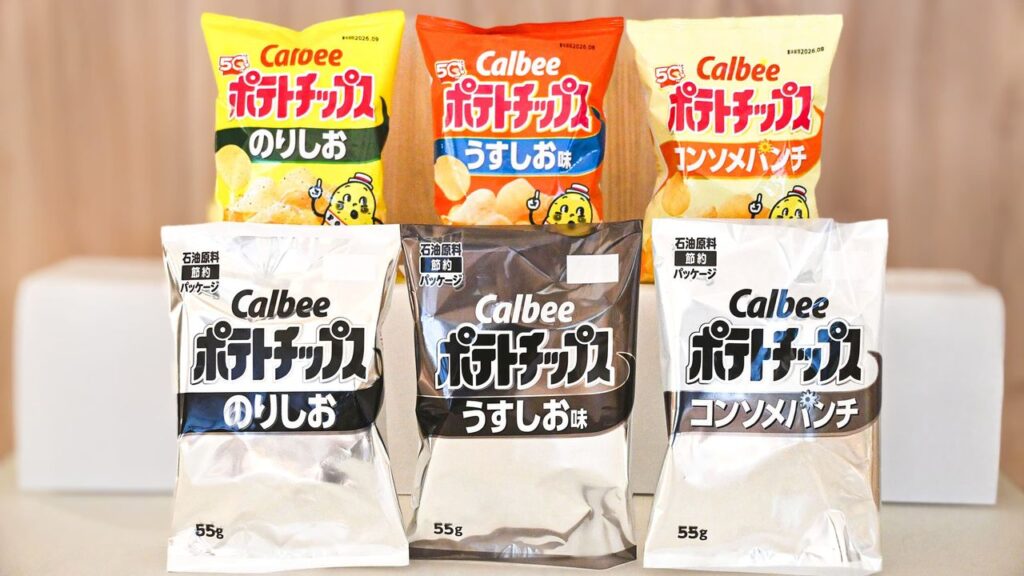
Table of Contents
A Visual Signal of a Deeper Crisis
For decades, the vibrant yellow and red packaging of Calbee potato chips has been a staple of Japanese convenience stores. But starting May 25, shoppers will notice something jarring: the colors are gone. Calbee has announced a shift to monochrome, black-and-white packaging for 14 of its most popular product lines, including its flagship potato chips and granola. Even the company’s beloved potato mascot, a cultural icon since 1976, has been scrubbed from the bags.
While a change in branding usually signals a marketing pivot, this is a desperate measure of industrial necessity. The culprit is a critical shortage of naphtha, a petroleum-derived feedstock that serves as the invisible backbone of modern chemistry. The shortage, exacerbated by escalating conflict in the Middle East, has strangled the supply of the specific inks and solvents required for high-fidelity color printing on plastic packaging.
The Petrochemical Domino Effect
To the average consumer, naphtha is an obscure term. To a chemical engineer, it is the starting point for almost everything. Through a process called steam cracking, naphtha is broken down into ethylene and propylene, which then evolve into the plastics, synthetic rubbers, and PVC resins that comprise the modern world. When the supply of naphtha fluctuates, the ripples move quickly from refineries to the supermarket shelf.
The scale of this vulnerability is staggering. According to data from Teikoku Databank, 52 primary Japanese companies rely on naphtha to produce basic chemical building blocks. However, the downstream effect is where the true impact lies. The survey indicates that roughly 46,741 Japanese manufacturers—approximately 30% of the country’s entire manufacturing base—are embedded in this specific distribution network. This means nearly one in three Japanese factories is potentially exposed to the volatility of this single raw material.
Beyond the Snack Aisle
The impact is not limited to potato chips. The crisis is manifesting across diverse sectors that seem unrelated on the surface but are chemically linked. Mizkan, a major food producer, suspended sales of four nattō products on May 1, citing an inability to procure the necessary containers and packaging. Similarly, Nisshin Seifun Welna has stripped cooking instructions from the packaging tape of its spaghetti products, reverting to plain tape to conserve specialized inks.
The disruption extends into critical infrastructure and healthcare, where the stakes are significantly higher than branding. There are reports of growing shortages in medical-grade syringes and rubber gloves—both of which rely on synthetic polymers derived from naphtha. In the construction sector, residential insulation and food-grade packaging films are seeing both price spikes and strict sales quotas.
Industry Vulnerability Breakdown
| Sector/Product Type | Supply Chain Integration Rate |
|---|---|
| Cyclic Intermediates (Plastics, Dyes, Pharma) | 88.4% |
| Gelatin and Synthetic Adhesives | 87.3% |
| Surfactants (Detergents, Auto Paints) | 84.0% |
| Coated Paper (Fast Food Packaging) | 80.1% |
The Gap Between Official Assurance and Reality
There is a notable disconnect between the corporate experience and government rhetoric. The Japanese government continues to maintain that the country has secured sufficient quantities of raw materials and that no systemic supply issues exist. However, the proactive steps taken by companies like Calbee and Mizkan suggest a lack of confidence in these assurances.
These firms are essentially engaging in “strategic downsizing” of their visual identities to ensure they can still get products to market. By removing the need for complex, solvent-heavy multi-color printing, they are reducing their reliance on the most volatile parts of the naphtha-derived supply chain. As long as geopolitical tensions in the Middle East remain unresolved, the “monochrome era” of Japanese retail may become a prolonged reality, serving as a stark reminder of how fragile the global chemical supply chain truly is.


