The ‘Mexican Wave’ and the Digitalization of Fan Rituals: How Culture Meets the 2026 World Cup
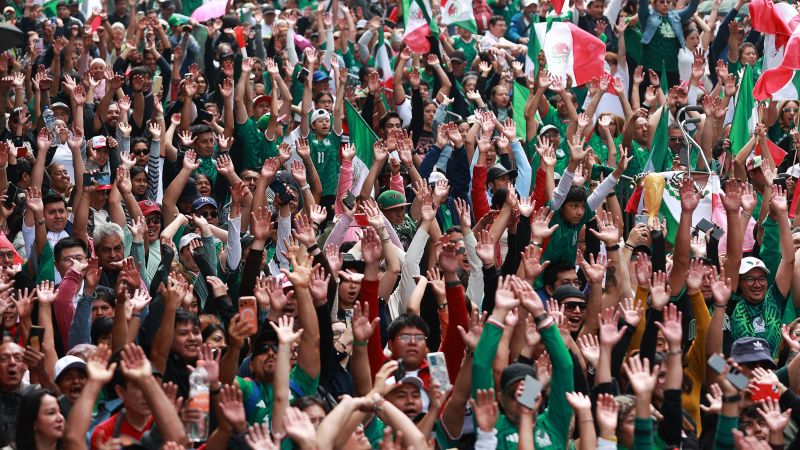
Table of Contents
Beyond the Pitch: The Cultural Architecture of Mexican Football
As the 2026 World Cup approaches, Mexico is not merely preparing its stadiums; it is polishing a brand of fan engagement that has influenced global sporting events for four decades. While the tournament is a joint venture between the US, Canada, and Mexico, the Mexican leg is shaping up to be less of a series of matches and more of a curated cultural exhibition.
The most visible symbol of this is ‘The Wave.’ Though its origins are a subject of perennial debate—with many historians pointing to North American stadiums in the late 70s—Mexico is widely credited with scaling the ritual into a global phenomenon during the 1986 World Cup. It was this specific tournament that exported the ripple effect to international audiences, cementing the ‘Mexican Wave’ as a staple of athletic euphoria.
Recently, this tradition attempted a massive leap in scale. In Mexico City, thousands of residents converged on Paseo de la Reforma in an effort to secure a Guinness World Record for the largest wave ever recorded. While Guinness World Records later informed CNN that the attempt was ‘unsuccessful,’ the event served as a high-visibility rehearsal for the surge of tourism expected for the 13 matches slated for Mexico.
The Sonic Landscape of the Stadium
The experience of a Mexican match is defined by a visceral, almost concert-like acoustic environment. Unlike the more structured chants found in European leagues, the atmosphere in stadiums like Nemesio Diez in Toluca is an eclectic blend of Cumbia, Banda, and Corridos. The integration of brass instruments and accordions transforms the arena into a dance club, where the rhythm of the music is as central to the event as the tactics on the pitch.
Central to this noise are the matracas—wooden, flag-shaped noisemakers that produce a distinctive clacking sound—and cornetas (plastic horns). However, the 2026 World Cup introduces a tension between tradition and security. In a move that highlights the tightening of stadium regulations, Mexican authorities have banned these specific noisemakers for the tournament. The justification is twofold: preventing excessive acoustic interference and mitigating the risk of these objects being used as improvised weapons by rowdy crowds.
The Duality of the Chants
The auditory experience also includes the legendary ‘Chiquitibum,’ a nonsensical but high-energy rally chant that traces its roots back to a 1986 beer commercial. It represents the commercialization of fan passion, where a marketing campaign evolved into a national anthem of support.
Yet, this cultural vibrancy has a darker side that the Mexican Football Federation (FMF) is actively fighting to erase. FIFA has previously fined the federation over homophobic slurs and offensive chants embedded in some fan circles. According to Fernando Vizcaíno, a researcher at the National Autonomous University of Mexico (UN وما), these chants are remnants of a ‘male chauvinist connotation’ and traditional masculinity that the modern game is attempting to shed. The FMF has since launched aggressive anti-discrimination campaigns to ensure the 2026 experience is inclusive.
The ‘Cantina’ Ecosystem
Outside the stadium walls, the ‘partidos en cantina’ (pub matches) create a decentralized network of fan hubs. These gatherings blend the digital experience of the broadcast with the tactile nature of Mexican street food, from lime-drenched tacos to spicy botanas. For the millions of overseas visitors expected in June 2026, these spaces will likely serve as the primary point of contact with the local culture, bridging the gap between a professional sporting event and a national celebration.
As the opening match between Mexico and South Africa looms on June 11 in Mexico City, the city is transitioning from a host to a stage, where the ‘Wave’ is more than just a movement—it is a signal of readiness for the global gaze.


