The Logistics of Low Earth Orbit: Impulse Space Secures $500 Million to Scale In-Space Mobility
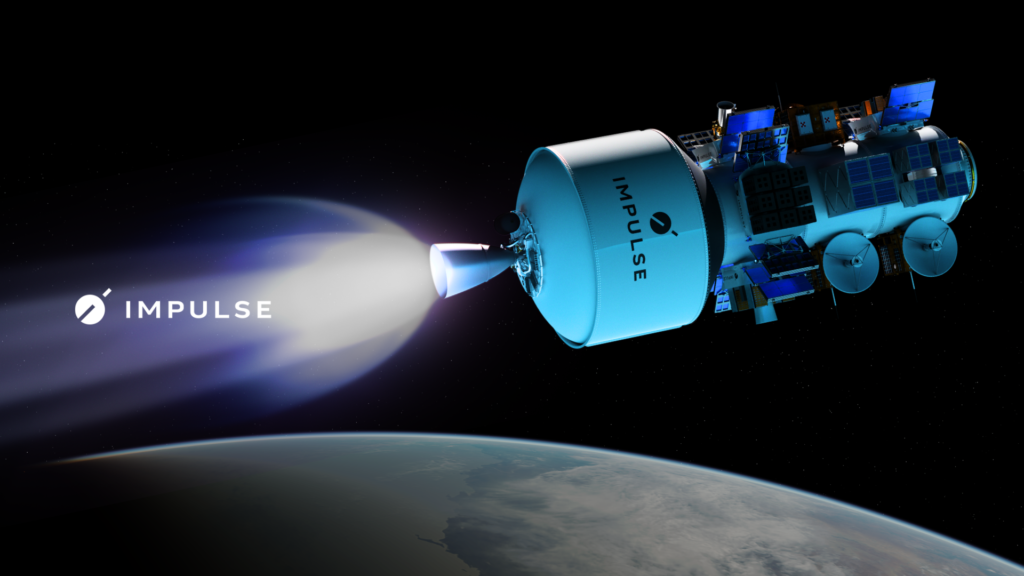
Table of Contents
Solving the ‘Last Mile’ Problem in Orbit
Getting a satellite into space is a solved problem for the likes of SpaceX and Rocket Lab. The real challenge now is what happens after the rocket lets go. Once a payload is dropped in Low Earth Orbit (LEO), moving it to a specific geostationary slot or a precise lunar trajectory often requires massive amounts of onboard fuel, which eats into a satellite’s operational lifespan and increases launch costs.
This is the gap Impulse Space is betting $500 million to fill. The company announced June 2 that it has closed a Series D funding round led by 137 Ventures and BANNER VC, bringing its total capital raised to over $1 billion. The infusion of cash is designed to shift the company from an iterative development phase into a production scale-up, focusing on a new class of ‘space tugs’ and transfer vehicles.
At the center of this strategy are two primary vehicles: Mira and Helios. Mira is designed as a maneuverable spacecraft capable of deploying satellites and hosting payloads, essentially acting as a versatile orbital bus. Helios, however, is the heavy lifter—a high-energy ‘kick stage’ designed to rapidly propel spacecraft from LEO to geostationary orbit (GEO) and beyond.
The Economics of Geostationary Access
For commercial satellite operators, the transit to GEO is often the most expensive and time-consuming part of the mission. By utilizing Helios, operators can move their assets into position more quickly, which Eric Romo, president and COO of Impulse Space, notes directly improves the economics of satellite communications. This capability will be a cornerstone of the company’s ‘Caravan’ rideshare missions to GEO, slated to begin in 2027.
But the commercial market is only one side of the coin. The U.S. Space Force is increasingly pivoting toward ‘dynamic space operations’—a doctrine that prioritizes the ability to move assets frequently to avoid threats or reposition for surveillance. According to Romo, this has created a surge in demand for highly mobile in-space assets that can provide defense for existing orbital infrastructure. In short, the Space Force doesn’t just want satellites in orbit; they want satellites that can move.
Lunar Ambitions and the CLPS 2.0 Play
While orbital tugs are the immediate priority, Impulse Space is eyeing the moon. The company is currently developing a lunar lander capable of delivering three tons of cargo to the lunar surface. This move aligns with NASA’s long-term vision for a permanent lunar base and the agency’s push for commercial partnerships via the Commercial Lunar Payload Services (CLPS) program.
Romo indicated that Impulse plans to propose its lander for the ongoing CLPS 2.0 procurement. By targeting the ‘medium’ payload class (a few tons), Impulse is positioning itself as a scalable alternative to the massive, expensive landers of the Apollo era or the smaller, more limited probes of the early commercial era.
The Mueller Pedigree and the IPO Question
The investment interest in Impulse Space is largely a bet on the leadership of founder and CEO Tom Mueller. As the former lead of propulsion development at SpaceX, Mueller was the architect behind the Merlin engines that made the Falcon 9 a global disruptor. His transition from building the rockets that leave Earth to building the vehicles that navigate space has given Impulse a level of technical credibility that few startups possess.
This pedigree has sparked speculation about a potential exit strategy, especially as SpaceX itself moves toward a highly anticipated IPO that could value the company at $2 trillion. However, Romo was explicit in dismissing any immediate plans to go public or pursue mergers and acquisitions.
The company’s current backers—including 137 Ventures, a SpaceX shareholder—appear to be providing what Romo calls ‘patient capital.’ For now, the focus remains on the internal growth of the workforce, which currently stands at 500 employees with another 200 positions open, and the acceleration of testing at their sites in Colorado and Mojave, California.