The Limits of Bionic Hiking: Testing the Hypershell X Ultra S in the Grand Canyon
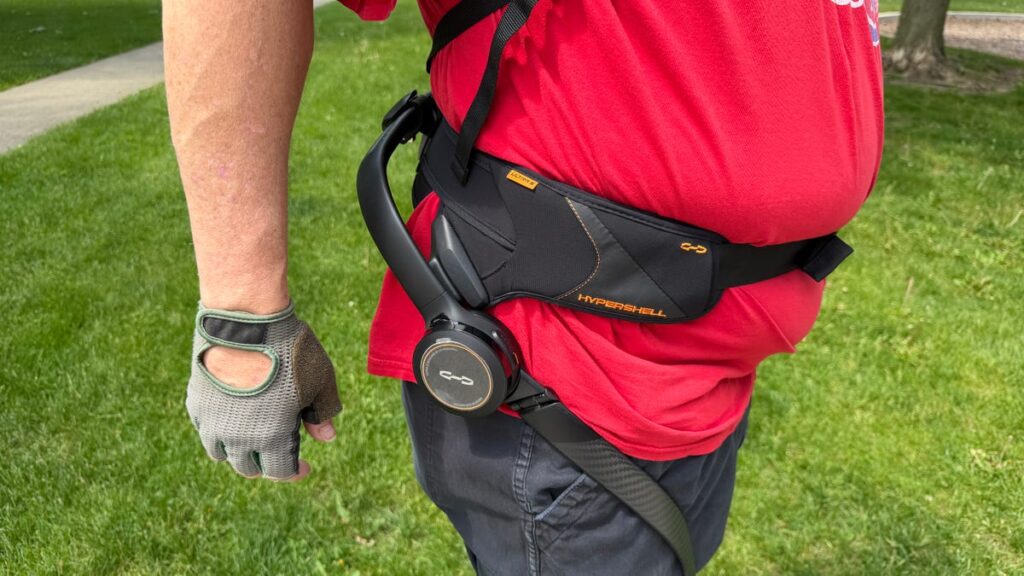
Table of Contents
The Gap Between Sci-Fi and Summit
Standing on a narrow trail in the Grand Canyon, the allure of the Hypershell X Ultra S is obvious: the promise of augmented human strength. Strapped into the $1,999 device, the expectation is a seamless transition into a ‘superhero’ state—the kind of motorized assistance that makes a 100-foot climb feel like a stroll. In reality, the experience is a sobering reminder that we are still in the early stages of wearable robotics.
For a 50-year-old hiker dealing with spinal stenosis—a condition where the narrowing of the spinal canal puts pressure on the nerves—the goal wasn’t just leisure; it was accessibility. When you typically rely on a cane for anything beyond 5,000 steps, the prospect of keeping pace with a varsity athlete (in this case, a 15-year-old daughter) is the ultimate benchmark for this technology. However, the climb revealed a fundamental truth about the current state of consumer exoskeletons: they are tools for endurance extension, not a cure for physical disability.
The Hardware: Carbon Fiber and Constraints
The Hypershell X Ultra S is part of a new three-tier rollout, joining the X Max S ($1,499) and the X Pro S ($999). The Ultra S is the flagship, utilizing a mix of carbon fiber and titanium to keep the total weight under five pounds. The architecture consists of a waist-mounted battery pack that powers two motorized arms buckling to the legs.
From a fit perspective, the device is surprisingly accommodating. Despite the company’s official weight charts topping out at 227 pounds for a 6-foot frame, the unit remained functional for a user weighing 270 pounds. The adjustable arms allow for a customized fit around the hips, though the physical footprint of the device introduces immediate ergonomic trade-offs. The battery pack, situated in the small of the back, makes sitting or leaning back nearly impossible, effectively dictating a rigid, upright posture that makes car rides or resting on a bench an awkward affair.
Furthermore, the hardware interferes with standard clothing. Front and lower cargo pockets become inaccessible once the thigh straps are secured, necessitating the use of a chest vest for gear—a small but significant detail for any serious hiker.
Biomechanics vs. Expectation
The core mechanism of the X Ultra S is simple: it aims to reduce the metabolic cost of movement. Powered by a 5,000-mAh battery (with a spare included), the system claims a range of approximately 30 kilometers (18.6 miles). As the user lifts their leg, the motors engage to make the limb feel lighter; as the foot pushes down, the machine provides a complementary thrust.
Hypershell manages this through a Bluetooth-connected app and a hip-mounted control button. Users can toggle between several modes:
- Eco and Hyper: These adjust the level of power assistance provided during ascent.
- Transparent: An idle mode that allows the user to move without motorized interference.
- Fitness: A counter-intuitive mode that provides resistance for those looking to strengthen their legs.
The Verdict from the Trail
Despite the high-end materials and intuitive app control, the X Ultra S does not erase the toll of a steep climb. Angus Fan, Hypershell’s Chief Product Officer, acknowledges that the industry’s current goals are “humble aspirations of endurance extension” rather than total strength replacement. For those with chronic conditions like spinal stenosis, the device provides a helpful nudge, but it cannot replace the physiological capacity of a healthy joint or a flexible spine.
The Hypershell X Ultra S is a glimpse into a future where mobility is augmented, but for now, it serves as a specialized accessory for the enthusiast rather than a transformative medical device. It extends the distance you can travel, but the mountain remains just as steep.


