The Legacy of Wild Hunt: How CD Projekt Red’s Masterpiece Redefined the Open-World RPG
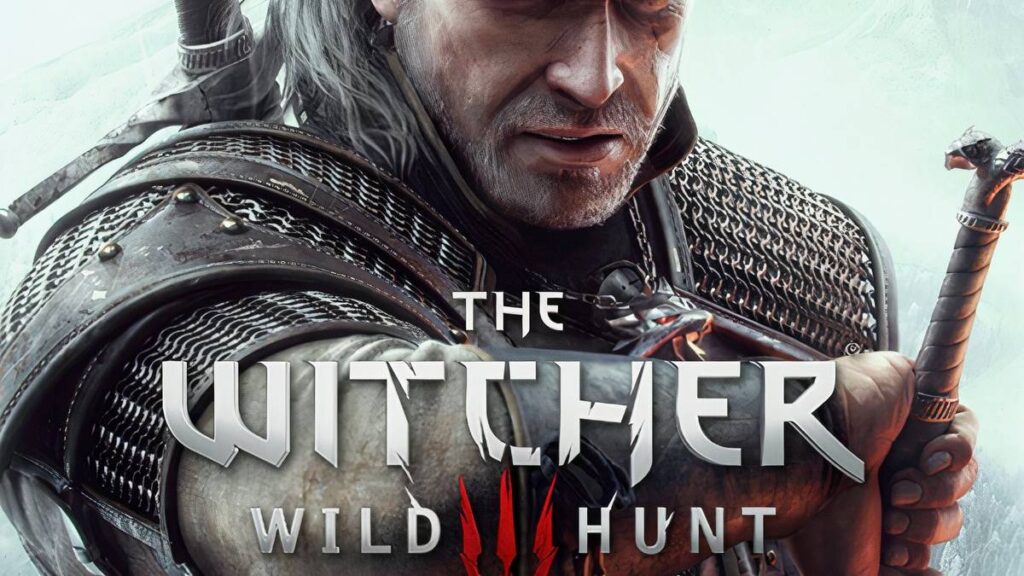
Table of Contents
Beyond the Quest Marker
When CD Projekt Red released The Witcher 3: Wild Hunt in 2015, the industry was saturated with open-world titles that relied heavily on repetitive ‘fetch quests’ and static NPCs. The game didn’t just introduce players to the war-torn continent of The Witcher’s world; it fundamentally challenged the way developers approached player agency and environmental storytelling. By centering the experience on Geralt of Rivia—a mutated mercenary with a specific professional code—the studio created a narrative anchor that made the massive scale of the map feel purposeful rather than empty.
The brilliance of Wild Hunt lay in its refusal to treat side content as filler. In most RPGs of the era, secondary missions were chores designed to pad out playtimes. CD Projekt Red instead pivoted toward ‘morally ambiguous’ storytelling. Players weren’t just choosing between a ‘good’ and ‘bad’ ending; they were navigating a grey area where a decision to save a village might inadvertently lead to a political coup or the death of a key ally hours later. This ripple effect created a level of immersion that shifted the industry’s gaze toward more complex, branching dialogue systems.
The Technicality of the Hunt
From a technical perspective, the game’s combat loop merged preparation with execution. Unlike the hack-and-slash simplicity of many contemporaries, the ‘Witcher’ fantasy required a level of strategic depth. Players had to engage with the game’s alchemy and bestiary, researching a monster’s weaknesses before engaging. This loop—investigating a track, brewing specific potions, and applying oils to a silver sword—transformed combat from a reflex test into a tactical puzzle.
The reach of the title’s success is evident in its expansive platform availability. Initially launched for PC and PlayStation 4, the game eventually migrated to the Nintendo Switch and next-gen hardware like the PlayStation 5 and Xbox Series X. This cross-generational presence allowed the game to serve as a benchmark for visual fidelity and world-streaming technology for nearly a decade. Even the later ‘Next-Gen’ update demonstrated how a well-crafted game loop could be revitalized with modern ray tracing and higher frame rates without losing its core identity.
A Shift in RPG Philosophy
Critics at the time, including early reviews from outlets like GameRant, noted that while the game wasn’t without flaws—particularly in its early combat clunkiness—it was an overwhelming candidate for Game of the Year. Its real victory, however, was in its influence. We can see the DNA of The Witcher 3 in almost every modern narrative-driven RPG. The emphasis on high-quality voice acting, cinematic dialogue, and the rejection of the traditional ‘moral compass’ meter paved the way for a more mature style of interactive storytelling.
The game’s enduring popularity also stems from its world-building. The contrast between the densely populated, corrupt cities and the oppressive silence of the mountains provided a pacing that felt organic. Whether Geralt was hunting a supernatural predator in a back alley or engaging in the deceptively complex card game Gwent, the world felt inhabited by entities with their own agendas, independent of the player’s presence.
Ultimately, The Witcher 3: Wild Hunt stands as a case study in how to balance scope with intimacy. It managed to be a ‘massive’ open world that still felt personal, ensuring that every contract Geralt accepted contributed to the overarching tragedy and triumph of Ciri’s journey. For developers and players alike, it remains the gold standard for how to build a world that breathes.