The iPhone 17 Pro’s Mysterious Top Strip Explained: A Necessary Evil for mmWave 5G
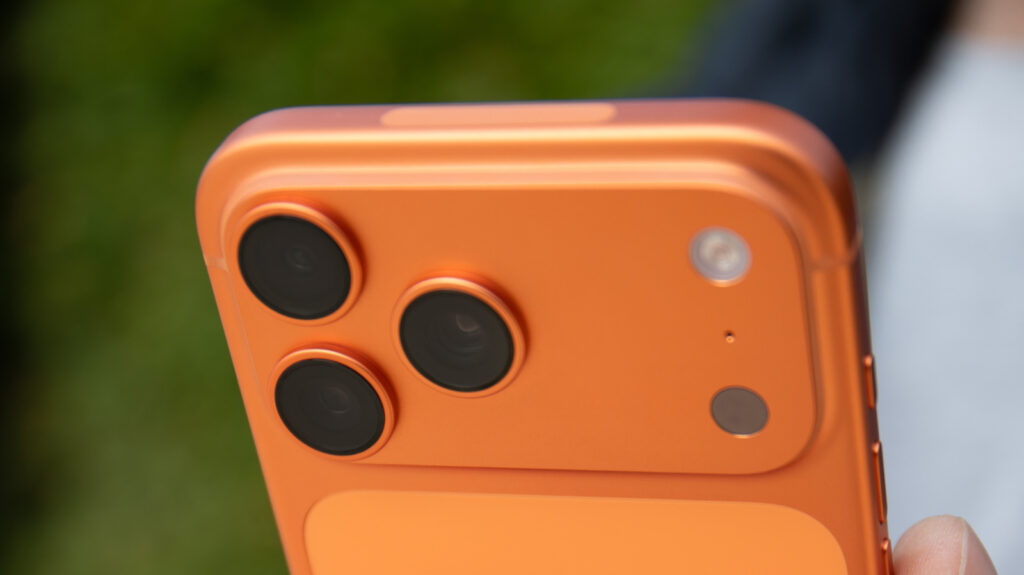
Table of Contents
A Subtle Design Quirk with a Technical Purpose
For those who have spent the last few days scrutinizing the industrial design of the iPhone 17 Pro, one detail has sparked more debate than the actual specs: a small, strangely placed plastic strip located on the top edge of the device. To the casual observer, it looks like a manufacturing oversight or a misplaced component. To the hardware enthusiast, it is a telltale sign of the regional divide in 5G infrastructure.
The strip, composed of an RF-transparent material, serves as a critical window for the 5G mmWave antenna. While it may seem like a cosmetic blemish on an otherwise seamless all-aluminum body, it is the only reason U.S. users can maintain high-speed 5G connectivity in dense urban environments. If you bought your device in Europe or Asia, you likely won’t see this slit at all, as those markets rely primarily on sub-6GHz spectrums which penetrate materials far more effectively than the high-frequency mmWave signals.
The Physics of Aluminum vs. Radio Waves
The presence of the strip is a direct consequence of Apple’s recent pivot toward a more robust, all-aluminum chassis for the Pro lineup. While the new material has been praised in early reviews for its rigidity and thermal properties, aluminum is notoriously hostile to radio frequency (RF) signals. High-frequency mmWave signals, which provide the blistering multi-gigabit speeds advertised by carriers like Verizon and AT&T, have incredibly short wavelengths. They are easily blocked by physical obstacles—including the very metal frame holding the phone together.
Without this non-conductive “window,” the mmWave signal would be effectively trapped inside the chassis, leading to the exact kind of connectivity drops and “dead zones” that Apple spends millions in R&D to avoid. By placing a strip of plastic at the top, Apple creates a clear path for the signal to enter and exit the device without being attenuated by the aluminum.
A Moving Target: The Evolution of the mmWave Slit
The location of this antenna has been a game of musical chairs since the iPhone 12 introduced mmWave support to the lineup. Apple has spent the last several generations trying to hide the antenna while balancing the internal architecture of the phone.
On the iPhone 12 Pro, the antenna window was tucked discreetly below the power button. By the time the iPhone 14 arrived, the slit had migrated to the upper right side of the frame. The iPhone 16 Pro took a different approach, attempting to hide the antenna behind the back panel to make room for the newly introduced Camera Control button, which occupied prime real estate on the side rails.
The shift back to the top edge for the iPhone 17 Pro isn’t just about internal space; it’s about ergonomics. By moving the antenna to the absolute top of the device, Apple minimizes the risk of “death grip’—the phenomenon where a user’s palm accidentally covers the antenna, significantly degrading signal strength during a call or data session.
Why the Base iPhone 17 Differs
Interestingly, the base iPhone 17 avoids this design quirk entirely. While it also utilizes an aluminum frame, the base model’s internal RF architecture is different, and the back panel—constructed from glass—provides sufficient transparency for its antenna arrays. Because the base model doesn’t prioritize the same ultra-high-frequency mmWave arrays found in the Pro’s complex internals, it doesn’t require a dedicated cutout on the top rail.
Ultimately, the strip is a badge of regional identity. If you see that specific plastic slit, you are holding a model engineered specifically for the North American market’s unique 5G landscape. It is a rare instance where a perceived design flaw is actually a high-performance necessity.


