The High-Stakes Filter: TechCrunch’s Startup Battlefield 200 Deadline Looms
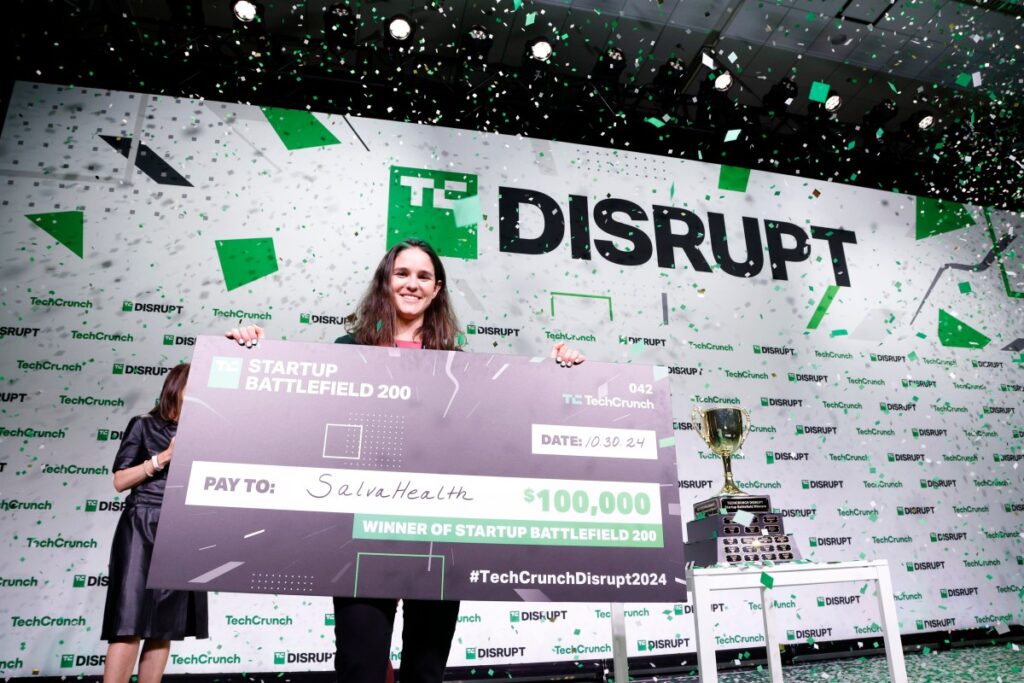
Table of Contents
The Last Call for the Next Category-Definers
For founders operating in the stealth phase or those iterating on a pre-Series A product, the clock is ticking. The application window for the Startup Battlefield 200—the primary discovery engine for TechCrunch Disrupt—closes tonight at 11:59 p.m. PT. While the $100,000 equity-free prize often grabs the headlines, the true value of the competition lies in its historical role as a kingmaker for early-stage venture capital.
The Battlefield isn’t just a pitch competition; it is a high-visibility filter. For the 200 companies selected, the reward is a concentrated burst of exposure to over 10,000 attendees, including the precise blend of general partners from top-tier VC firms and specialized industry analysts who define the current market narrative. In an era where AI-driven noise is making it harder for founders to get a meeting, the Battlefield stage provides a rare, verified signal of quality.
A Pedigree of Pivot and Persistence
To understand the weight of a Battlefield nomination, one has to look at the alumni. The program has a track record of identifying infrastructure and utility plays long before they become household names. Dropbox famously demoed its cloud storage solution when the concept was still an uphill battle against established local backups. Cloudflare entered the arena when edge infrastructure was a niche technical concern, and Discord arrived as a scrappy tool for gamers under the name Hammer & Chisel.
The common thread among these successes wasn’t a polished, corporate-ready pitch, but a fundamental shift in how a specific industry operated. This is the metric the judges prioritize: a willingness to tackle a structural inefficiency rather than simply adding a feature to an existing product. According to TechCrunch data, over 1,700 participating startups have collectively raised upwards of $32 billion, resulting in more than 250 exits via acquisitions by giants like Google, Microsoft, and Amazon.
Navigating the Selection Funnel
The odds are steep. Thousands of global applications are processed, but only 200 make the cut. From that group, a mere 20 finalists are selected to pitch on the main Disrupt Stage. This funnel creates a high-pressure environment that mimics the intensity of a Series A roadshow, forcing founders to distill their value proposition into a few minutes of high-impact delivery.
Critically, the program remains open to a wide range of maturity levels. Pre-launch companies and those without immediate revenue are eligible, provided the core technology or business model demonstrates potential for category-defining growth. Most selected companies are pre-Series A, though some early-stage Series A firms may qualify if they bring a sufficiently disruptive angle to the table.
The Strategic Value of the ‘Loss’
Industry veterans often argue that winning the $100,000 is secondary to the networking equity gained. A company that fails to reach the finals but is featured on the Pitch Showcase Stage still exits the event with a level of media exposure that typically takes months of PR agency work to achieve. For a founder, the goal is often not the trophy, but the LinkedIn messages from investors that flood in immediately after a public demo.
As the deadline approaches, the surge in last-minute applications is a perennial trend. However, for those who have been nominated by peers or mentors but have yet to finalize their submissions, the risk of a technical glitch or a missed deadline outweighs the benefit of a few extra hours of polishing.