The High Cost of Prestige: Sony and Microsoft Face a Crisis of Identity at Summer Game Fest
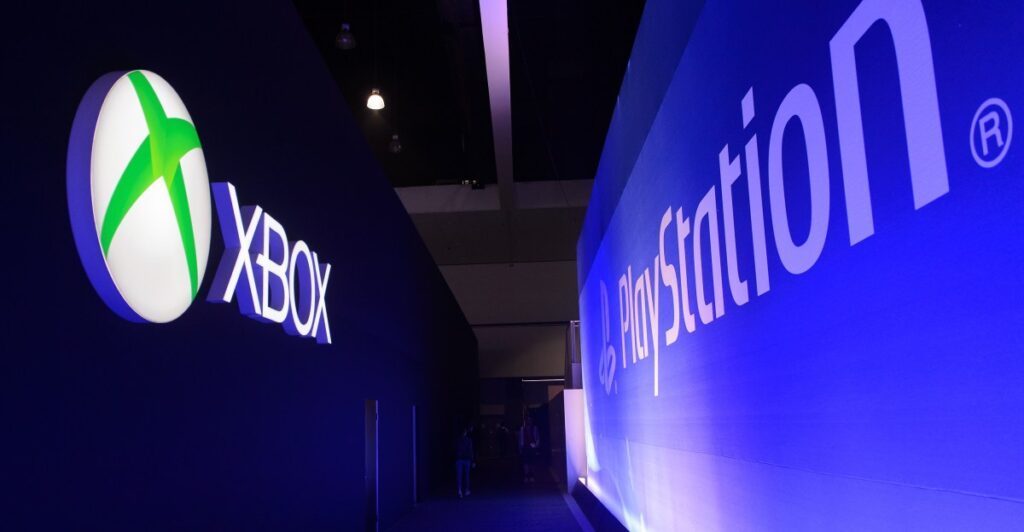
Table of Contents
The Spectacle vs. The Reality
On the surface, Summer Game Fest remains the industry’s most glittering centerpiece—a week of cinematic trailers and celebrity cameos designed to ignite hype. But beneath the high-fidelity renders, the gaming industry is navigating a period of profound instability. 2026 has presented a paradox: while the actual quality of game releases is high, the infrastructure supporting them is fracturing. Layoffs have become a seasonal regularity, and hardware costs have climbed to levels that are beginning to alienate the core consumer.
For Sony and Microsoft, the upcoming showcases are no longer just about announcing new titles; they are about justifying the existence of the console as a dedicated piece of hardware in an increasingly fragmented ecosystem.
Sony: The Premium Price Trap
Sony finds itself in a precarious position. The PS5, once the undisputed king of the current generation, is struggling with a pricing strategy that feels disconnected from the average consumer’s wallet. From a launch price of $499, the base model has climbed to $649, with high-end configurations hitting a staggering $899. The result is visible in the data: PS5 sales have plummeted by nearly 50 percent year-over-year, suggesting a ceiling on how much the market is willing to pay for a closed ecosystem.
Beyond the hardware, Sony is reeling from a misguided pivot toward live-service gaming. The $3.6 billion acquisition of Bungie in 2022 was intended to be a bridge to a recurring revenue model similar to Fortnite. Instead, it has been a cautionary tale. Between multiple rounds of layoffs at Bungie and the lukewarm reception of Marathon, Sony’s foray into the ‘forever game’ has largely failed to gain traction.
The June 2nd State of Play, headlined by Insomniac’s Wolverine, must serve as a corrective measure. Sony’s strongest asset has always been the prestige single-player experience. To reverse the sales slide, they need to pivot away from the live-service gamble and return to the high-budget, narrative-driven exclusives like God of War and The Last of Us that originally made the PS5 a necessity.
Xbox: The Search for a Soul
While Sony struggles with pricing and strategy, Microsoft is fighting a more existential battle: identity. For years, the Xbox brand has been diluted by an erratic mix of multiplatform launches and confusing marketing. The hardware exists, and Game Pass remains a powerful value proposition, but the ‘why’ behind owning an Xbox console has become blurred.
The appointment of Asha Sharma as Xbox CEO in April brought a glimmer of structural change. While superficial rebrands—such as the all-caps ‘XBOX’ typography—do little for the end user, Sharma’s public commitment to listening to the player base suggests a shift in philosophy. However, the Xbox Games Showcase on June 7th is where that rhetoric must meet reality.
To reclaim its footing, Microsoft needs more than the incremental success of Forza Horizon 6. It needs a definitive ‘killer app’ lineup. The industry is watching for the heavy hitters: Fable, Gears of War: E-Day, and the highly anticipated Halo remake. For the ‘Return of Xbox’ to be more than a marketing slogan, Microsoft must prove it can still produce exclusive experiences that cannot be replicated on a PC or a competitor’s box.
The Shadow of the Behemoth
Neither company is operating in a vacuum. The looming release of Grand Theft Auto VI in November is expected to trigger a temporary surge in hardware sales, providing a brief lifeline to both PlayStation and Xbox. Yet, this is a tide that lifts all boats, not a sustainable strategy for growth.
We are now six years into this hardware cycle—the traditional inflection point where consumers begin looking toward the next generation. If Sony and Microsoft cannot stabilize their pricing and refine their software identities during this window, they risk entering the next era not as leaders, but as legacy providers in a world that has moved toward cloud-native or platform-agnostic gaming.


