The Hidden Hygiene Crisis in Your Kitchen: Why Your Keurig Is Likely a Breeding Ground for Mold
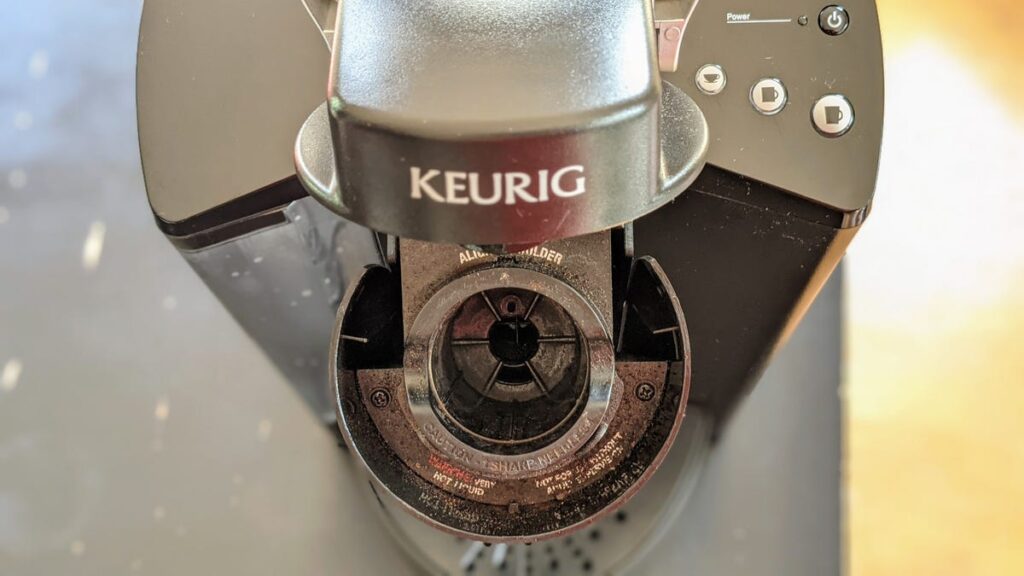
Table of Contents
The Convenience Trade-off
The Keurig ecosystem is built on a singular value proposition: speed. By condensing the brewing process into a pressurized, single-pod system, it has fundamentally changed how millions of people start their mornings. However, this streamlined architecture creates a specific engineering vulnerability. The interior of a Keurig is a closed-loop environment characterized by warmth, residual moisture, and organic coffee oils—essentially a petri dish for mold and biofilm.
For many users, the first sign of a problem isn’t a visual clue, but a shift in flavor. When coffee begins to taste ‘off’ or metallic, it is often a symptom of mineral scale or microbial growth within the internal tubing. While the exterior of the machine remains sleek, the internals—specifically the needle assembly and the water reservoir—can harbor contaminants that bypass simple rinsing.
The Biofilm Problem
The most critical point of failure in Keurig hygiene is the K-Cup holder and the puncture needle. Because this area is in direct contact with wet coffee grounds and high-pressure steam, it is prone to accumulating a sticky residue. Over time, this residue hardens and provides a nutrient-rich substrate for mold to take hold. If pods are left in the machine for several days after brewing, the risk of fungal spores migrating into the brew path increases significantly.
Reports across community forums and platforms like Reddit frequently highlight a recurring issue: the ‘hidden’ grime beneath the pod holder. Because this area is not immediately visible, users often neglect it, allowing a layer of moldy sludge to develop that eventually contaminates every cup brewed. To combat this, a physical scrub of the pod holder with warm, soapy water is non-negotiable, though users must exercise caution around the sharp exit needle.
Technical Maintenance: Descaling vs. Cleaning
It is a common misconception that washing the removable parts is the same as maintaining the machine. There is a fundamental difference between surface cleaning and descaling. Descaling is a chemical process designed to remove calcium and magnesium deposits—mineral scale—that build up inside the heating element and water lines.
When minerals accumulate, they act as an insulator, forcing the machine to work harder to heat water, which can eventually lead to pump failure or inconsistent brewing temperatures. To effectively descale, users should follow the specific model-based instructions found on Keurig’s support pages, as the button sequences vary by generation.
The Descaling Process
While Keurig sells proprietary descaling solutions, a mixture of white vinegar and distilled water is a widely accepted industry alternative. The process involves filling the reservoir with the solution and running multiple ‘cleansing brews’ without a pod. The goal is to circulate the acidic solution through the entire internal plumbing system to dissolve mineral bonds. Crucially, this must be followed by several cycles of plain water to eliminate the acetic acid scent and taste.
A Preventative Framework
To avoid the need for emergency deep-cleaning, a tiered maintenance schedule is the most effective approach. Daily habits, such as emptying the drip tray and wiping down the exterior, prevent surface mold. Every few weeks, the water reservoir and K-Cup holder should be scrubbed with dish soap. A full chemical descale should be performed every three to six months, depending on the hardness of the local water supply.
By treating the Keurig not as a disposable appliance, but as a piece of precision water-heating hardware, users can extend the lifespan of the machine and ensure that the convenience of a pod-based system doesn’t come at the expense of basic hygiene.


