The ‘Gray Zone’ of Governance: How Yawata’s Mayor is Testing Japan’s Political Infrastructure
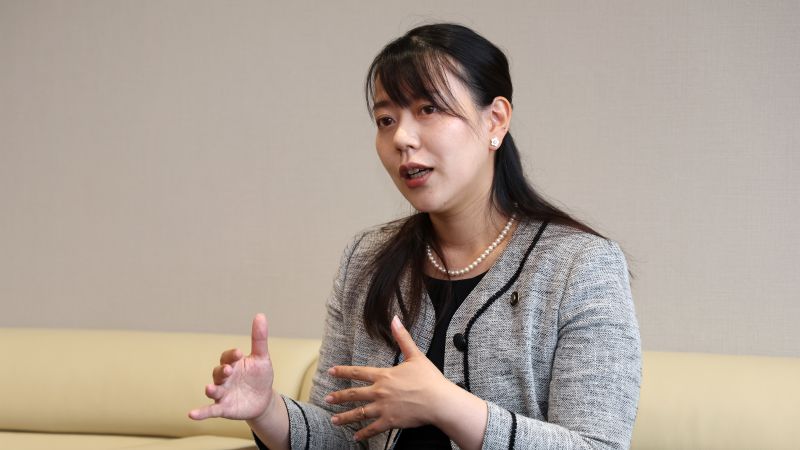
Table of Contents
A Precedent in the ‘Gray Zone’
In the city of Yawata, Kyoto Prefecture, Mayor Shoko Kawata is attempting to solve a problem that is as much about administrative architecture as it is about motherhood. At 35, Kawata is not only one of Japan’s youngest female mayors but is now positioned to become the first incumbent mayor in the country’s history to take formal maternity leave.
The decision, centered around a mid-September due date, involves a planned 16-week absence—split evenly before and after childbirth. While the move seems straightforward in a corporate context, it has exposed a startling void in the Japanese legal system: there is virtually no established framework for elected officials to step away for family reasons. While public servants and civil employees have codified rights to maternity leave, those holding the highest executive offices in municipalities exist in what Professor Sawako Shirahase of the University of Tokyo describes as a “gray zone.” There is no law prohibiting a mayor from taking leave, but there is equally no blueprint for how to do so without triggering a constitutional or administrative vacuum.
The Friction of Tradition and Governance
Kawata’s approach to her absence is pragmatic. She intends to appoint a deputy to manage the city’s 70,000 residents and plans to maintain a level of digital connectivity, checking emails to ensure continuity of government. However, the announcement triggered a predictable clash on Japanese social media, where critics argued that a paid absence for a top official constitutes a waste of taxpayer funds.
This friction reflects a deeper systemic tension. For decades, Japan’s political and corporate hierarchies have been built on the assumption of total availability—a culture that has contributed to the phenomenon of karoshi (death by overwork). By stepping away, Kawata is not just managing her own health; she is challenging the foundational assumption that leadership requires the sacrifice of domestic life.
The Demographic Breaking Point
The timing of Kawata’s leave coincides with a national emergency. Japan is currently facing a precipitous demographic collapse, with 2025 recording a record low of 671,236 births—the tenth consecutive year of decline. The government has attempted to pivot with housing subsidies and paternity leave incentives, but these top-down policies often fail to penetrate the ingrained culture of the workplace.
The disparity is stark. World Bank data indicates that only 56% of women participate in the Japanese labor force, compared to 72% of men. In politics, the gap is even wider; women hold less than 15% of the seats in the House of Representatives. When the system makes it functionally impossible for a mayor to be a mother without facing public scrutiny or legal ambiguity, it sends a clear signal to women entering the political pipeline.
Expanding the Pipeline
Despite the controversy, there are signs of a shifting tide in local governance. Research from the Japan Center of Ludwig-Maximilians-Universität shows a steady increase in female mayors, growing from roughly 50 to nearly 80 across Japan’s 1,700+ municipalities over the last five years. More importantly, these women are staying in power for second and third terms, suggesting that the barrier to entry is slowly lowering.
Kawata views her leave as a catalyst for systemic change. By navigating the legal ambiguity of her role, she is effectively stress-testing the administrative capabilities of local government to accommodate the needs of a modern workforce. If Yawata can function effectively under a deputy for 16 weeks, it removes the primary argument against gender-inclusive leadership in other municipalities across the country.


