The Ghost Brands Winning the Digicam Revival: How Kodak and Yashica Licensees Outmaneuvered the Giants
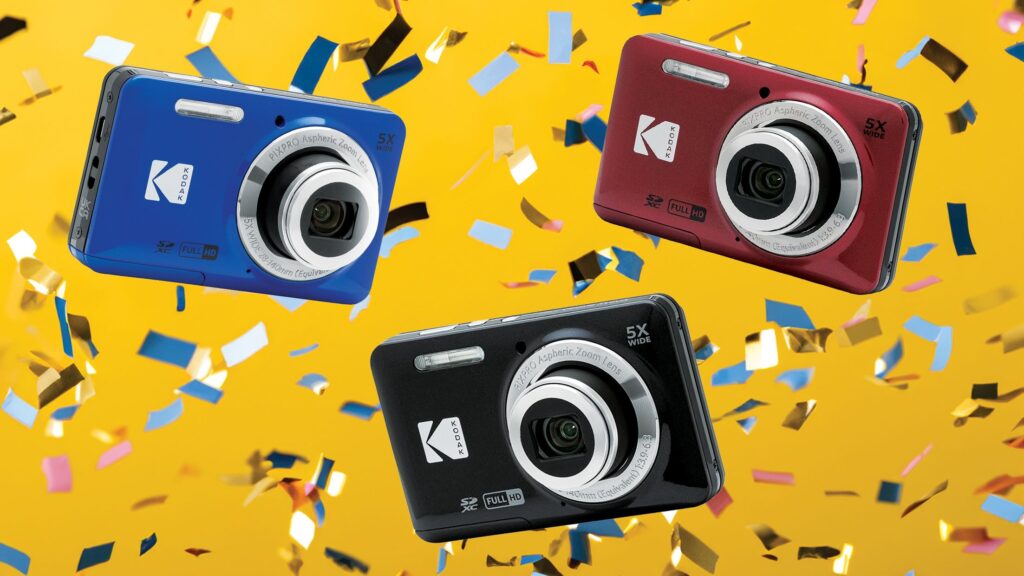
Table of Contents
The Return of the ‘Obsolete’ Snapshot
For nearly two decades, the narrative in imaging was linear: the smartphone didn’t just disrupt the point-and-shoot market; it effectively annihilated it. Major manufacturers like Canon, Nikon, and Sony pivoted their resources toward high-margin mirrorless systems and professional glass, leaving the low-end compact market to wither. However, a strange market correction is occurring. The very cameras that were dismissed as electronic waste in 2012 are suddenly flying off shelves, driven by a Gen Z aesthetic preference for ‘lo-fi’ imagery and a tactile disconnect from the hyper-processed look of computational photography.
The irony is that the brands leading this resurgence aren’t the industry giants who pioneered the technology. Instead, the winners are the third-party licensees—companies that bought the rights to legacy names and continued producing basic hardware long after the ‘big boys’ exited the room.
JK Imaging and the Kodak Trojan Horse
Much of the current Kodak compact presence isn’t driven by the historic American photography pioneer in its original corporate form, but by JK Imaging. Headquartered in Los Angeles, JK Imaging has spent over a decade operating as a long-term licensee of the Kodak brand. While the rest of the industry was chasing 8K video and AI-driven autofocus, JK Imaging continued marketing modest, fixed-lens snapshots with 1/2.3-inch sensors and basic 3x optical zooms.
From a technical standpoint, these cameras are antiquated. Their image quality is objectively inferior to a mid-range smartphone from five years ago. But by maintaining a steady, low-cost stream of hardware in the market, JK Imaging executed a successful ‘Trojan horse’ strategy. When the post-pandemic trend toward ‘digicams’ hit social media, Kodak was the only brand with an established, affordable, and available infrastructure of compact cameras ready for the mass market.
Yashica’s Strategic Resurrection
A similar pattern has emerged with Yashica. Once a respected name in Japanese optics, Yashica effectively vanished from the camera market in 2005 when parent company Kyocera shifted its focus toward more profitable business sectors. The brand lay dormant until 2008, when the Hong Kong-based MF Jebsen Group acquired the rights.
Rather than attempting to compete with the high-end specs of a Sony RX100, the Jebsen Group leaned into the brand’s legacy to launch a series of retro-styled point-and-shoots, including the City 100, City 200, and City 300 models. These devices, now appearing across UK and US markets, prioritize affordability and a specific ‘vintage’ feel over technical prowess. They are plastic-heavy and functionally simple, filling a vacuum left by manufacturers who deemed the entry-level compact segment a lost cause.
The Risk of the ‘Passing Fad’
The success of these licensees highlights a significant strategic miscalculation by the major camera houses. For Canon and Nikon, restarting a discontinued compact line would require massive capital investment and a complete overhaul of their current supply chains, which are now optimized for high-end mirrorless components. Furthermore, corporate leadership at these firms has been hesitant to engage, fearing that the current digicam craze is a fleeting TikTok trend rather than a sustainable market shift.
By operating with lower overhead and utilizing existing, simplified technology, JK Imaging and MF Jebsen Group have bypassed the R&D hurdles that plague larger companies. They aren’t selling specifications; they are selling a specific aesthetic and a low barrier to entry. For a consumer who doesn’t want to spend $800 on a mirrorless setup but wants an experience distinct from a smartphone, a $60 Kodak compact is a compelling proposition.
As these legacy-branded cameras continue to outperform more sophisticated options in the budget sector, the industry is faced with a humbling reality: in the era of perfect pixels, there is a massive, untapped premium on imperfection.


