The ‘Friday Night Death Slot’ and a High-Tech Bike: Why George Clooney’s Early Sci-Fi Venture Failed
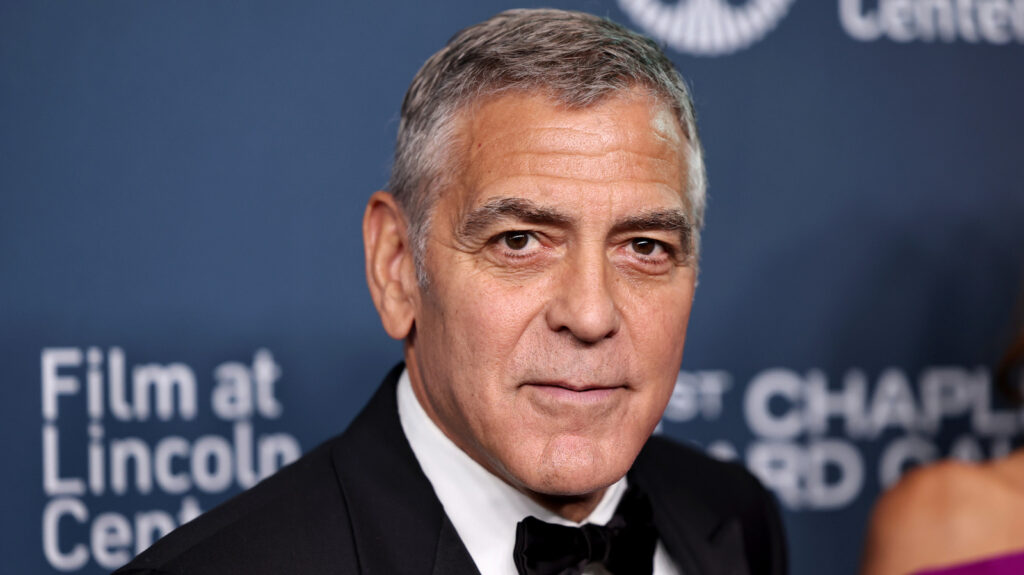
Table of Contents
Before the A-List: The High-Tech Ambitions of ‘Street Hawk’
Long before George Clooney became a staple of the Hollywood A-list or the face of the NBC medical juggernaut ER, he was cutting his teeth as a ‘villain of the week’ in one of the mid-80s’ most ambitious—and ultimately doomed—tech-centric series. Street Hawk, which debuted on ABC in 1985, was less a character study and more a showcase for a heavily modified, all-terrain motorcycle capable of hitting 300 mph and packing a government-grade arsenal.
The show followed Jessie Mach (Rex Smith), a former motorcycle cop who transitioned from a public relations desk to a secret operative for a government agency. The core draw wasn’t the plot—which followed a standard episodic formula—but the vehicle itself. The ‘Street Hawk’ bike was designed as a high-concept weapon, a precursor to the gadget-heavy vehicles that would define 80s action cinema and early sci-fi television.
The Clooney Connection and the Casting ‘What If’
Clooney appeared in a single episode as Kevin Stark, a former racing rival of Mach. While his role was brief, the behind-the-scenes narrative reveals a missed opportunity that producers have since lamented. Robert Wolterstorff, the show’s producer and co-creator, later admitted in an interview with Street Hawk Online that the production team actually wanted Clooney for the lead role. The studio, however, vetoed the move, opting for Rex Smith instead.
Wolterstorff’s retrospective suggests that casting Clooney might have fundamentally shifted the trajectory of the show, noting that if the studio had agreed, his own career as a producer might have looked very different. However, other producers, including Burton Armus, viewed the casting as a secondary issue. Armus argued that the failure of Street Hawk was systemic, originating from the ‘top’ of the production and the network’s strategic failures rather than the charisma of the lead actor.
The ‘Friday Night Death Slot’ and the Knight Rider Shadow
The downfall of Street Hawk is a textbook example of how network scheduling can kill a high-budget project regardless of its technical appeal. ABC placed the series in the infamous ‘Friday night death slot.’ During the mid-80s, the critical 18-to-34 demographic was notoriously absent from their televisions on Friday nights, making it a graveyard for new series.
Moreover, the show was fighting an uphill battle against Dallas, the CBS powerhouse of the era. But the more significant cultural hurdle was Knight Rider. David Hasselhoff’s series had already established the ‘intelligent super-vehicle’ trope with KITT, and Street Hawk struggled to escape the label of being a mere knock-off. While KITT represented the early imagination of AI and autonomous driving, the Street Hawk bike was essentially a brute-force application of speed and firepower.
Production Costs and the Mid-Season Crunch
The financial reality of producing a high-concept vehicle show in 1985 was staggering. The cost of maintaining, filming, and potentially damaging the specialized motorcycle drove production expenses far above the industry average for the time. This financial pressure, combined with significant behind-the-scenes retooling that delayed the show’s debut, left it as a mid-season replacement with a truncated episode count.
With only 13 episodes airing in the U.S., the show couldn’t build the necessary momentum to offset its costs. ABC pulled the plug after one season, prioritizing the bottom line over the show’s technical spectacle. Interestingly, the series found a second life internationally. In markets like the U.K., India, and Brazil, Street Hawk became a hit with children, driving significant merchandise sales and creating a cult following that persists in digital archives and fan communities today.