The Final Call for TechCrunch Disrupt’s Startup Battlefield 200
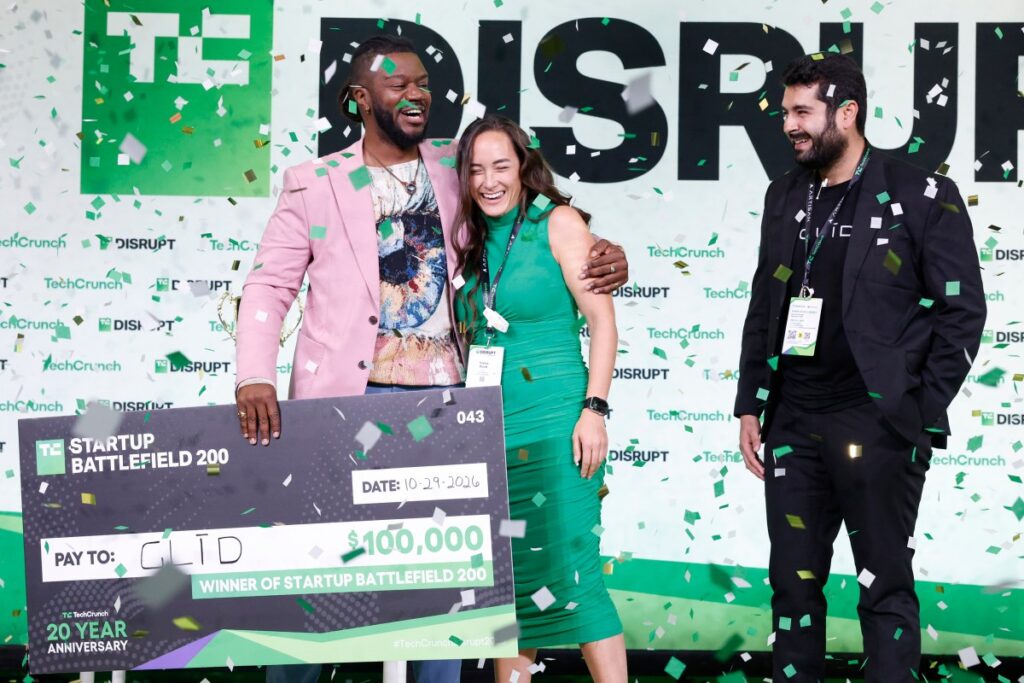
Table of Contents
The countdown for the next generation of category-definers
For early-stage founders, the window of opportunity to secure a spot in one of the tech industry’s most storied launchpads is rapidly closing. TechCrunch has announced that applications and nominations for the Startup Battlefield 200 will officially close on Friday, May 27. For those building in the pre-Series A space, this isn’t just another application cycle—it is a bid for visibility in an increasingly crowded venture landscape.
The program has long served as a high-stakes proving ground. While the headline draw is the $100,000 in equity-free funding awarded to the eventual winner, the real value for most participants lies in the friction of the process itself: the direct feedback from VCs, the sudden surge in global media attention, and the chance to pitch on the Disrupt stage in front of an audience of over 10,000 attendees.
A history of ‘unpolished’ success
The allure of the Battlefield 200 isn’t necessarily in finding the most refined product, but in identifying the most promising vision. The program’s track record suggests that polish is often secondary to pivot-potential. Looking back at the alumni list, some of today’s giants entered the arena when they were barely more than ideas. Dropbox, for instance, famously demoed its concept to a room of skeptics, while Cloudflare arrived before the broader market fully grasped the utility of edge networking.
Discord, once a scrappy gaming project known as Hammer & Chisel, also passed through this crucible. This pattern suggests that the program prioritizes a founder’s ability to articulate a meaningful shift in a category rather than their current revenue milestones. In fact, the program explicitly welcomes pre-launch companies and those without established revenue streams, provided the underlying technology or business model is disruptive.
The venture ripple effect
The sheer scale of the Battlefield network is difficult to ignore. More than 1,700 companies have competed in the program to date, collectively raising over $32 billion. The exit data is equally telling, with over 250 companies being acquired by the likes of Google, Microsoft, Amazon, Salesforce, and Uber.
Interestingly, the network has become self-sustaining. The ecosystem is so tight-knit that alumni often find themselves on opposite sides of a deal; a prime example being Dropbox’s 2021 acquisition of fellow Battlefield alum DocSend. This internal synergy transforms the competition into a lifelong professional network that extends far beyond the final pitch.
What founders need to know before May 27
The selection process is rigorous. While thousands apply globally across all industries, only 200 are chosen for the cohort, and a mere 20 finalists make the cut for the live Disrupt Stage. However, the program structure ensures that every selected company gets an opportunity to pitch, whether on the main stage or the Pitch Showcase Stage.
For those still hesitant, the criteria remain flexible. While the majority of the cohort consists of pre-Series A startups, select Series A companies may be considered on a case-by-case basis. The core requirement remains an ambitious, innovative product that has the potential to define a new category.
With only a few days remaining, the urgency is real. As the Friday deadline approaches, last-minute submissions typically surge, increasing the risk of applications being buried in the shuffle. For founders who have already been nominated but haven’t finalized their submissions, the window to complete the process is now critical.