The Final Act: Tim Cook’s Last WWDC and the High Stakes of the Siri Redemption
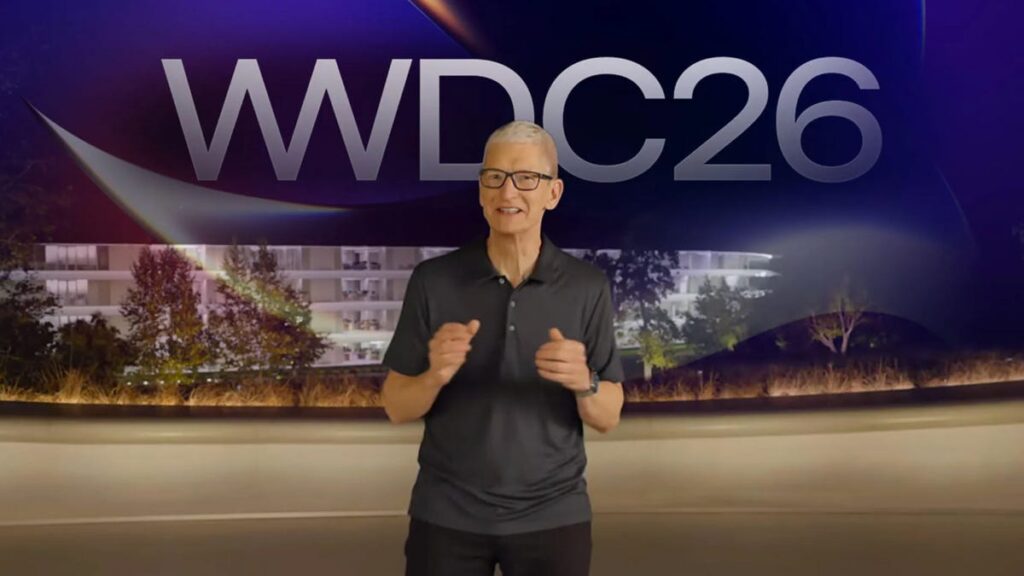
Table of Contents
A Symbolic Handover at Apple Park
In October 2011, Tim Cook stepped onto a stage for the first time as Apple’s CEO to introduce the iPhone 4S. At the time, he described his leadership role as the privilege of a lifetime. Fifteen years later, that tenure is reaching its inevitable conclusion. As the tech world gears up for the 2026 Worldwide Developers Conference (WWDC), the event carries a weight far beyond the typical cycle of OS updates and API reveals. This will be Cook’s final WWDC before he officially hands the leadership of the world’s most valuable company to incoming CEO John Ternus in September.
Unlike the transition from Steve Jobs to Cook, which was precipitated by a health crisis and a sense of urgent survival, the shift to Ternus appears to be a choreographed succession. However, the optics of this particular transition are unique. WWDC is traditionally a celebration of what is next, but for Cook, it serves as a retrospective of a legacy that saw Apple evolve from a hardware powerhouse into a multi-trillion-dollar ecosystem dominant in services and silicon.
The Ternus Transition
John Ternus is not a stranger to the Apple stage, having played a pivotal role in the rollout of Apple Silicon during the pandemic era. However, his expertise is rooted deeply in hardware engineering rather than the software-centric world of WWDC. The industry is currently speculating whether Ternus will make a formal appearance alongside Cook during the keynote to signal a public passing of the baton, or if Apple will reserve his debut as CEO for the September iPhone launch.
According to Ben Wood, chief analyst at CCS Insight, Ternus arrives at a critical juncture. With a pipeline of rumored hardware—ranging from camera-integrated AirPods to home-centric robotic interfaces—the incoming CEO has the opportunity to begin his tenure with a series of aggressive product launches rather than just maintenance of the status quo.
The Siri Redemption Arc
While the leadership change dominates the boardroom conversation, the actual substance of the event is expected to center on a project that has haunted Cook’s tenure: Siri. Launched in 2011, Siri was intended to be the definitive digital assistant. Instead, it became a cautionary tale of over-promising and under-delivering. For a decade, Apple’s strict adherence to on-device privacy limited Siri’s reasoning capabilities, allowing Amazon’s Alexa and Google Assistant to capture the smart-home market.
The introduction of Apple Intelligence at WWDC 2024 was supposed to be the turning point, yet the rollout has been plagued by delays. The company recently settled legal complaints for $250 million over claims it misled consumers regarding iPhone capabilities, adding pressure to deliver a functional, LLM-powered Siri that actually works.
Paolo Pescatore of PP Foresight suggests that WWDC 2026 is as much a symbolic moment as a technical one. For Cook, delivering a fully realized, intuitive AI assistant isn’t just about market share—it is about closing a narrative loop. Siri was the flagship software promise of his early years; seeing it finally achieve parity with contemporary generative AI models would be the ideal final checkbox on his to-do list.
If the rumors of a “robotic iPad” or advanced wearable AI hold true, these devices will rely entirely on the revamped Siri to function. Cook is unlikely to leave the company while its primary interface remains a point of ridicule among power users. The expectation is that the 2026 keynote will finally move Siri from a set of beta features into a comprehensive, systemic overhaul that defines the next era of Apple’s human-computer interaction.
As the event approaches, the focus remains on whether Cook will use his final moments on stage to reflect on the trillion-dollar growth of the company, or if he will simply let the software speak for itself, exiting the spotlight as quietly as he entered it.