The Era of the ‘Invisible’ AI Influencer: How Synthetic Personas are Blurring the Line of Digital Trust
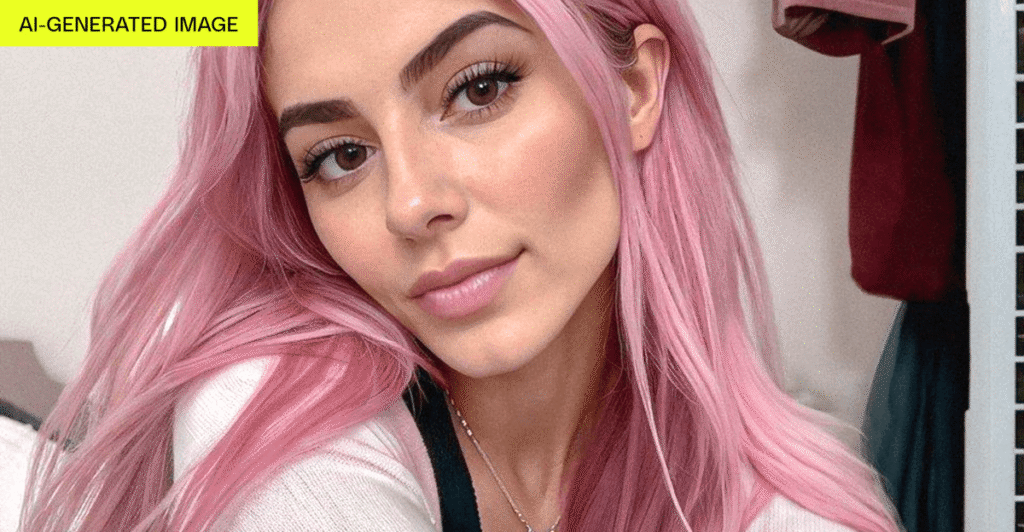
Table of Contents
From High-Concept Art to Digital Noise
In the early days of the virtual influencer, the ‘tell’ was obvious. Characters like Lil Miquela or Shudu Gram were digital artifacts—perfectly polished, intentionally stylized, and clearly the product of high-budget creative studios. They existed as a curiosity, a blending of 3D art and social media marketing that felt more like a gallery installation than a human presence. To follow them was to participate in a shared fiction.
But the nature of synthetic presence has shifted. The latest generation of AI creators, such as Aitana Lopez and Emily Pellegrini, aren’t trying to look like digital art; they are trying to look like the people we already follow. They mirror the aesthetic of the ‘aspirational’ lifestyle: the curated brunch, the Coachella outfit, the perpetual vacation. By mimicking the filters and staging used by human influencers, these AI personas have effectively camouflaged themselves within the existing visual language of Instagram and TikTok.
The Democratization of the ‘Fake’
The transition from studio-grade productions to mass-market synthetic accounts is driven by a collapse in the cost of entry. Previously, creating a believable virtual human required a team of CG artists and significant rendering power. Today, that pipeline has been replaced by generative AI tools. Services like HeyGen and ElevenLabs, alongside the widespread use of Stable Diffusion and Midjourney, allow a single operator to manage an entire stable of digital personas from a laptop.
This shift has birthed a new kind of ‘influencer entrepreneur.’ Some creators, like the individual known as Professor EP, have transitioned from managing real-life OnlyFans models to selling courses on how to build AI-generated personas. This industrialization of the synthetic human is no longer about art or brand storytelling; it is about arbitrage. By automating the ‘face’ of the brand, operators can scale their reach across multiple niches—from fitness and fashion to more clandestine corners of the internet—without the overhead of a human employee or the unpredictability of a real personality.
A Regulatory Gray Area
For platforms like Meta, ByteDance, and Google, these personas present a unique moderation paradox. Most AI-generated content is categorized as ‘slop’—low-quality, chatbot-driven text or surreal imagery that is easily flagged as spam. However, a high-fidelity AI influencer doesn’t necessarily violate current Terms of Service. They aren’t always impersonating a specific real-world individual, nor are they always deploying scams. They are simply existing as synthetic entities in a space designed for humans.
While YouTube and TikTok have introduced labels for synthetic media, these tools are designed for individual posts rather than systemic identities. If an account is fundamentally a fiction, a label on a single video does little to address the trust deficit created when millions of users engage with a non-existent entity. The platforms find themselves in a contradictory position: they are aggressively promoting their own generative AI tools to users while simultaneously trying to prevent those same tools from drowning out authentic human creators.
The Market of Synthetic Trust
The financial implications are becoming impossible to ignore. Market research suggests the virtual influencer sector could swell from roughly $12 billion today to over $60 billion by 2030. This growth isn’t just coming from high-end brand deals, but from the ‘long tail’ of AI accounts—thousands of mid-tier personas that drive affiliate sales, push drop-shipping products, or cultivate parasocial relationships with unsuspecting followers.
As video and audio synthesis reach a point of total convergence with reality, the ability to distinguish between a human and a prompt-engineered persona will likely vanish. We are moving toward a social media landscape where the ‘authenticity’ we crave is just another setting in a software suite, and the creators we trust may not exist at all.