The Enduring Legacy of The Witcher 3: Why CD Projekt Red’s Open World Still Defines the Genre
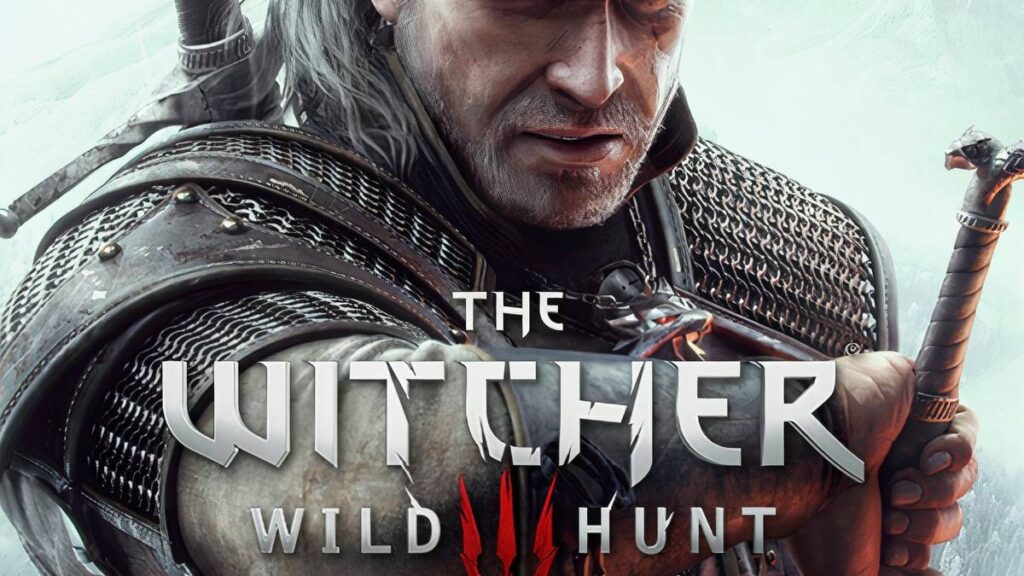
Table of Contents
The Benchmark for Modern Role-Playing
When CD Projekt Red released The Witcher 3: Wild Hunt, the industry was saturated with open-world titles that relied on repetitive checklists and ‘map-cleaning’ mechanics. The game didn’t just offer a larger map; it introduced a fundamental shift in how narratives are woven into virtual environments. By centering the story on Geralt of Rivia—a mutated mercenary with a specific professional code—the developers created a bridge between a rigid plot and an expansive, reactive world.
Unlike many of its contemporaries, the game eschews the traditional binary of ‘good’ versus ‘evil’ choices. Instead, players are forced into a grey area of moral ambiguity where the most logical decision often leads to the most tragic outcome. This philosophy extends from the smallest side quests to the primary pursuit of Ciri, the Child of Prophecy, ensuring that the player’s agency feels consequential rather than performative.
Technical Versatility and Cross-Platform Reach
The sheer scale of the title’s distribution speaks to its technical robustness. Originally designed for the PlayStation 4 and Xbox One, the game has since navigated the transition to current-gen hardware including the PlayStation 5 and Xbox Series X/S. Most impressively, the port to the Nintendo Switch demonstrated a significant engineering feat, compressing a massive, high-fidelity world into a handheld format without sacrificing the core systemic complexity.
The combat system, while often criticized at launch for its floatiness, relies on a sophisticated interplay of gear and chemistry. Players must manage a suite of upgradeable weaponry, mutating potions, and combat magic—Signs—to survive encounters with supernatural predators. This requirement for preparation transforms monster hunting from a simple button-mashing exercise into a tactical puzzle, rewarding players who engage with the game’s deep lore and bestiaries.
World-Building Beyond the Main Quest
One of the most significant achievements of the title is its integration of secondary activities. The inclusion of Gwent, a collectible card game, became an unexpected cultural phenomenon within the gaming community, illustrating how a well-executed side-system can enhance the perceived depth of a world. From the horse races of the countryside to the political machinations of corrupt royalty and treasonous generals, the environment feels lived-in because it exists independently of the protagonist’s goals.
The game’s architectural design—mixing forgotten ruins, dense cities, and sprawling mountain passes—creates a sense of discovery that is rarely replicated. While early reviews, including those from major outlets like GameRant, acknowledged minor flaws in pacing and technical polish, the consensus remained that the title set a new standard for the size and depth of fantasy RPGs.
The Industry Ripple Effect
The influence of The Witcher 3 is visible in almost every narrative-driven open world released in the last decade. The move toward ‘meaningful’ side quests—where a simple contract can spiral into a complex political drama—has forced other developers to move away from the ‘fetch-quest’ model. By prioritizing storytelling over mindless exploration, CD Projekt Red proved that players are willing to engage with complex, adult themes if they are grounded in a consistent, believable universe.