The End of the ‘Wait and Save’ Era: Why Game Consoles Are Getting More Expensive
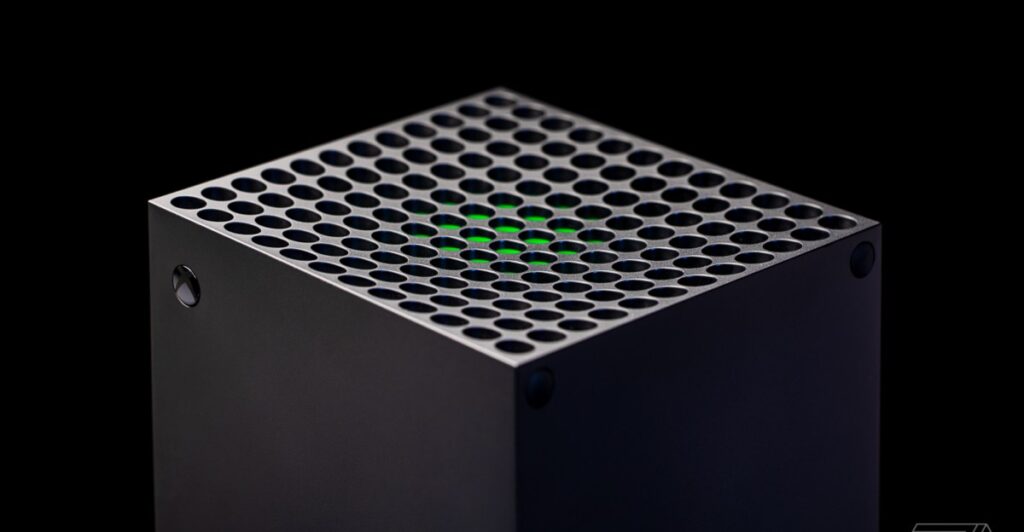
Table of Contents
The Death of the Mid-Cycle Price Drop
For decades, the unspoken rule of gaming hardware was simple: if you can afford to wait, wait. The ‘early adopter tax’ was a real phenomenon. Launch-day consoles were often bulky, prone to hardware revisions, and priced at a premium. As the years passed, manufacturers would inevitably release ‘Slim’ models or bundle software to entice the mass market, steadily driving the entry price down.
However, the current generation has completely inverted this logic. Those who bought their hardware in 2020 are now looking like strategic geniuses, while latecomers are finding that the cost of entry is climbing higher every year. We are witnessing the collapse of the traditional hardware pricing curve.
Microsoft and Sony Lead the Ascent
The most jarring example of this trend is Microsoft’s recent pricing strategy. The Xbox Series X, which debuted at $499 in 2020, has seen a series of aggressive bumps. Following increases in 2023 and May of this year, the high-end model has now reached $649.99—a $150 premium over its launch price. Its smaller sibling, the Series S, has also climbed to $399.99.
Sony has followed a similar, if slightly more tempered, path. In August, the company raised the price of its PS5 lineup by $50. Even Nintendo, typically the bastion of stable pricing, adjusted the cost of the original Switch—a console released in 2017—upward by $40 in August. When coupled with the shift toward $80 ‘premium’ software titles, the total cost of ownership for a gaming ecosystem has spiked significantly in a very short window.
The Tariff Trap and Macroeconomic Pressure
While corporations often mask these hikes behind vague corporate speak regarding ‘market conditions’ or ‘macroeconomic environments,’ the primary driver is more concrete: tariffs. Global trade tensions and import duties are hitting electronics particularly hard, as consoles rely on complex global supply chains with components crossing multiple borders before reaching the consumer.
But the vulnerability of consoles isn’t just about taxes. The industry is grappling with ballooning development costs and a tighter grip on semiconductor supply chains. In previous generations, a ‘Slim’ model meant a cheaper model. In 2023, when Sony introduced the slimmer PS5, it didn’t come with a price cut; it simply replaced the original model at the same price point. This signals a fundamental shift in how hardware is valued.
Consoles as Luxury Goods
This pricing shift arrives at a precarious moment for the ‘console war’ paradigm. The traditional walls between ecosystems are crumbling. Xbox titles are frequently ported to PlayStation and PC, and subscription services like Xbox Game Pass have detached the game from the specific piece of hardware.
Furthermore, the rise of the handheld PC—led by the Valve Steam Deck—offers a viable alternative to the living-room box. For a generation of gamers raised on cross-platform behemoths like Fortnite, Roblox, and Minecraft, the idea of spending $700 on a proprietary box to play $80 games feels increasingly antiquated.
We are moving toward a future where the traditional console is no longer the dominant gateway to gaming, but rather a niche, luxury high-end appliance. As hardware becomes more expensive and software becomes more platform-agnostic, the incentive to stay loyal to a specific brand’s hardware is evaporating. For those eyeing the upcoming ‘Switch 2’ or the next iteration of the PS5, the lesson is clear: the longer you wait, the more you’ll likely pay.