The End of the DS-82 Era: US State Department Finally Digitizes Passport Renewals
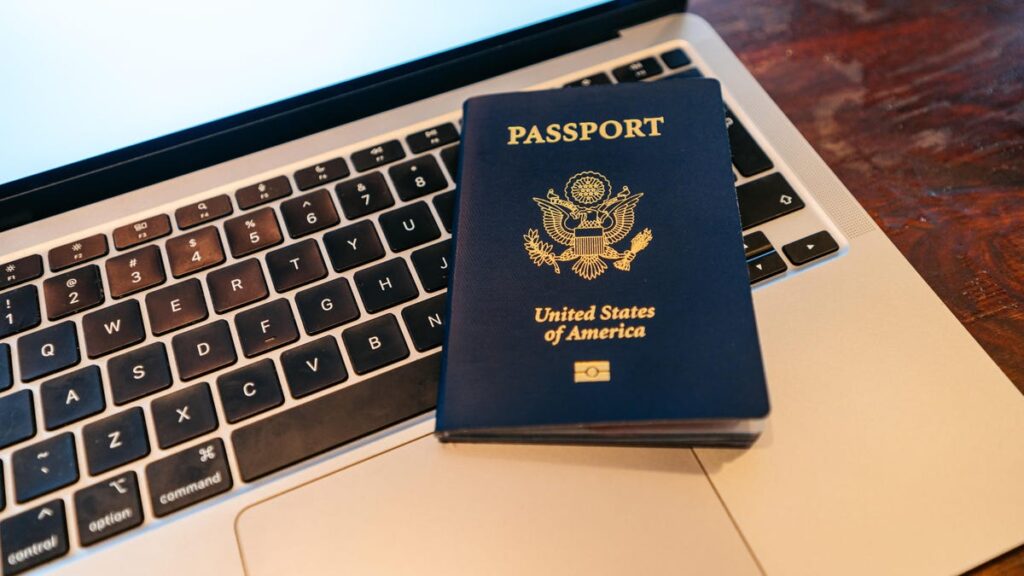
Table of Contents
A Long-Overdue Digital Shift
For decades, renewing a US passport was a ritual of analog frustration: hunting for a physical passport photo, scribbling on the DS-82 form, and—most perilously—mailing a government check through a postal system that often felt like a black hole. The State Department has finally dismantled this workflow with the rollout of a comprehensive online renewal system, transitioning one of the most dreaded bureaucratic chores into a process that mirrors a standard e-commerce transaction.
The core of this shift is the new MyTravelGov portal. By moving the application into a digital environment, the government has not only reduced the friction for the user but has significantly lowered the margin for clerical errors that previously led to weeks of processing delays. However, while the application is now digital, the delivery remains bound by traditional logistics.
Who Can Actually Use the Portal?
Despite the launch, the online system isn’t a universal catch-all. Eligibility is currently tethered to a specific set of criteria. To qualify for a digital renewal, your current passport must have been issued within the last 15 years. If you are applying for a first-time passport or if your previous document was issued decades ago, you are still required to appear in person at a passport agency or authorized acceptance facility.
There are further restrictions designed to prevent fraud and identity complications. You cannot use the online system if:
- You need to change your name (this still requires legal documentation via mail).
- Your previous passport was reported lost, stolen, or damaged.
- You are applying for a passport for a minor.
- You are currently living outside the United States.
Crucially, users should be aware of a “point of no return”: once an online application is accepted, your existing passport is immediately invalidated. If you have upcoming travel and your renewal is still pending, you risk being left without a valid travel document if the timing isn’t managed carefully.
Navigating MyTravelGov and Login.gov
The technical backbone of the process is login.gov, the federal government’s centralized authentication service. To begin, users must create a MyTravelGov account. This requires an email verification process and the setup of multi-factor authentication (MFA), a move that reflects the high-security nature of travel documents.
Once authenticated, the application is straightforward. The State Department estimates the process takes about 40 minutes, though for those with a digital photo ready, it is significantly faster. The system accepts credit cards, debit cards, and ACH transfers, finally eliminating the need for the antiquated money order.
The Digital Photo Hurdle
The most common point of failure in the online process is the photo upload. Unlike social media profiles, passport photos must adhere to strict biometric standards. Users must upload a recent, high-resolution digital image that meets lighting and framing requirements. If the automated system detects a background shadow or an incorrect head-to-frame ratio, the application will be flagged, potentially delaying the process.
The Speed Paradox: Digital Filing vs. Physical Shipping
There is a common misconception that a digital application equates to a digital passport. While there are ongoing industry rumors regarding Apple integrating digital travel credentials into the iPhone’s Wallet app, the current reality remains physical. You are still waiting for a piece of booklets-and-paper to arrive in your mailbox.
The State Department maintains a “routine service” timeline of four to six weeks. Interestingly, the digital portal does not currently offer a streamlined path for expedited service. If you need a passport urgently, you are forced back into the analog world: you must apply via mail and pay an additional $60 fee for expedited processing.
For those opting for both a passport book and a passport card—the latter being a wallet-sized document valid for land and sea entry to Canada, Mexico, and the Caribbean—both can be renewed simultaneously through the portal, provided you already hold both documents.


