The Digital Front: How Tech Wealth and Social Media Influence are Reshaping the 2026 Primaries
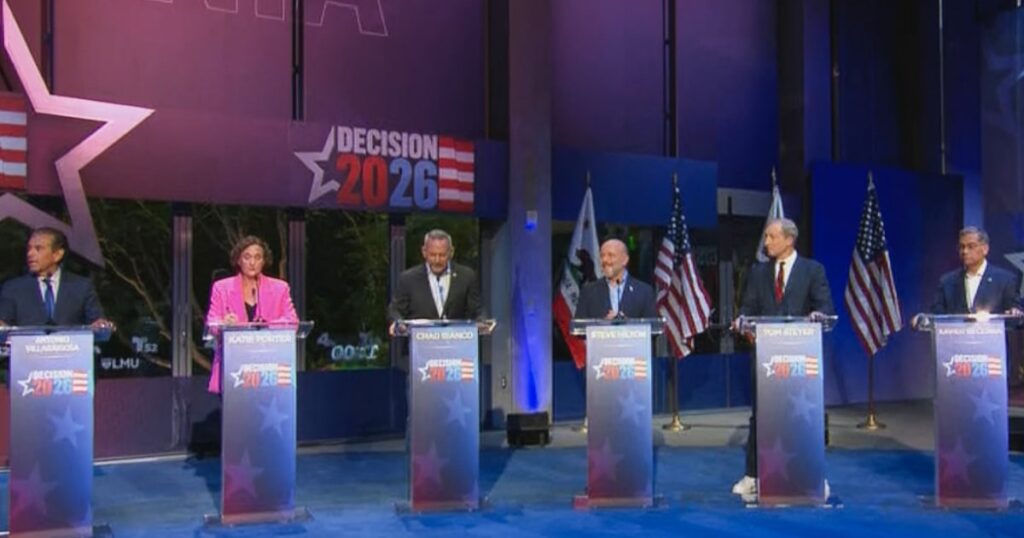
Table of Contents
The Billion-Dollar Ad War in California
The race to succeed Governor Gavin Newsom is evolving into a case study on the sheer scale of modern political ad-tech. While traditional candidates rely on party machinery, billionaire activist Tom Steyer has essentially turned the California airwaves into a personal billboard, deploying over $215 million of his own capital. This isn’t just about spending; it is about the saturation of digital ecosystems. Steyer’s campaign has leveraged aggressive micro-targeting and high-frequency digital placements to push a progressive agenda—including single-payer healthcare and a specific tax on oil company profits—effectively bypassing traditional gatekeepers of political discourse.
Contrasting this is the rise of ‘personality politics’ driven by digital fame. In Los Angeles, Mayor Karen Bass finds herself facing Spencer Pratt, a former reality TV star whose brand is built on the volatility of early internet celebrity. Pratt’s candidacy represents a broader trend where the ability to command attention via social media platforms outweighs traditional legislative experience. The endorsement of Donald Trump, who described Pratt as a ‘character,’ underscores a shift toward candidates who can generate viral engagement, regardless of their policy depth.
Algorithmic Disruptions in the Heartland
The influence of tech-driven movements is not confined to the West Coast. In Iowa, the gubernatorial race is seeing the emergence of the ‘MAHA’ (Make America Healthy Again) movement. Candidate Zach Lahn, a businessman pouring personal funds into the race, is aligning himself with this digitally-native health advocacy movement. MAHA operates less like a traditional political lobby and more like a decentralized digital network, using social media to mobilize a base around wellness and food-system reform—topics that have historically been secondary in primary debates but are now central via algorithmic amplification.
This shift is creating a volatile environment for incumbents. In California, Democratic Representatives Mike Thompson, Doris Matsui, and Brad Sherman are facing challenges from a new generation of progressives who have built their following on platforms like TikTok and X (formerly Twitter). These challengers are not just running against individuals; they are running against an ‘old guard’ style of communication, utilizing rapid-response digital content to highlight policy gaps in real-time.
The Data-Driven Redistricting Gamble
Beyond the candidates, the underlying infrastructure of the upcoming elections reflects a heavy reliance on predictive data. Democrats in California have redrawn congressional lines with a specific goal: netting up to five additional seats. This process, driven by sophisticated GIS mapping and demographic data analytics, has placed several incumbents in precarious positions. The resulting ‘survival mode’ for GOP Representatives Ken Calvert and Young Kim illustrates how data-driven redistricting can force allies into direct competition, potentially opening the door for a Democratic surge in traditionally red districts.
In Iowa, the Senate primary between progressive Zach Wahls and moderate Josh Turek is a battle of branding. Turek, positioning himself as a ‘prairie populist,’ is utilizing a targeted approach to win over Republican-leaning areas—a strategy that relies heavily on localized data mining to identify ‘swing’ voters who are dissatisfied with the current GOP trajectory but wary of urban progressivism.
The Infrastructure of Modern Influence
The 2026 primaries highlight a widening gap between those who can afford to buy the digital landscape and those who can organically command it. Whether it is Steyer’s financial brute force or Pratt’s reality-TV notoriety, the ‘barrier to entry’ for political viability is being rewritten by tech wealth and attention economics. As voters in six states head to the polls, the results will likely signal whether the future of leadership belongs to the seasoned bureaucrat or the digitally-optimized disruptor.