The Digital Fog of War: How Satellite Intelligence and Evacuation Orders are Reshaping the Battle for Tyre
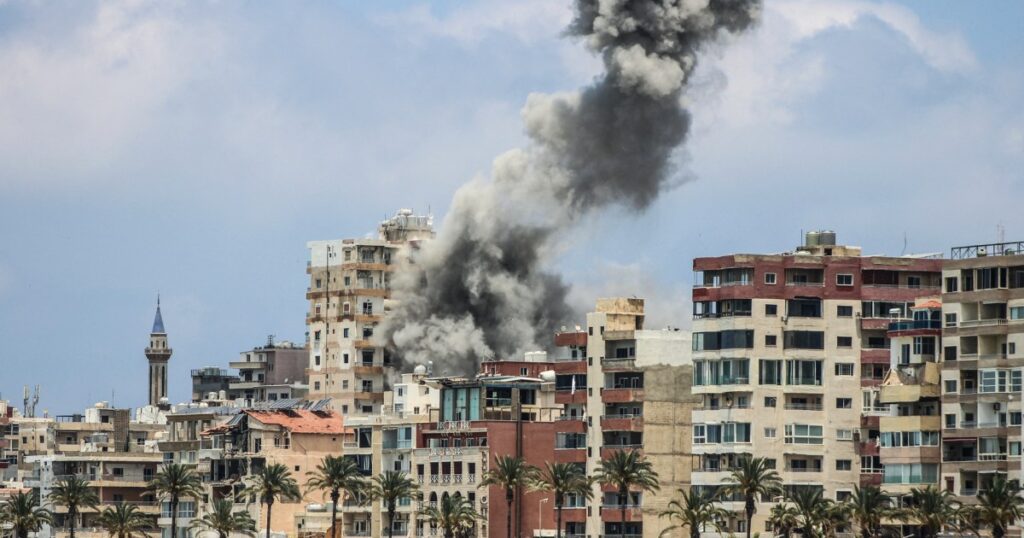
Table of Contents
The Precision Paradox in Tyre
In the ancient city of Tyre, a settlement that has weathered sieges from Alexander the Great to the Crusaders, a new kind of warfare has arrived. The current conflict between Israel and the Iran-backed militant group Hezbollah is no longer just a matter of territorial incursions; it is a battle of signals, satellite intelligence, and digitally transmitted warnings. For the first time in the recent escalation, the Israeli military has extended its evacuation orders to Al Hara, the historic Christian quarter—a UNESCO World Heritage site that residents long believed was an invisible sanctuary in a high-tech war.
The tension in Al Hara is driven by a fundamental disagreement over the use of urban infrastructure. While residents like Janette Barbour describe the quarter as a neutral zone with no political affiliations or arms, the Israeli Defense Forces (IDF) maintain that Hezbollah utilizes the dense, historic architecture of the city as cover. This claim is typically backed by SIGINT (signals intelligence) and high-resolution satellite imagery, which allow the IDF to pinpoint launch sites for rockets and drones embedded within civilian grids.
The Algorithmic Nature of Displacement
The process of evacuation in southern Lebanon has become increasingly digitized. Rather than traditional leaflets, warnings often arrive via social media, messaging apps, and targeted digital broadcasts. This creates a psychological pressure cooker for residents. In Al Hara, the decision to flee is no longer based on the audible sound of artillery, but on a digital notification telling them their coordinates are now within a strike zone.
For many, this ‘digital displacement’ feels surreal. Sana Abou Zeid, a resident of the densely populated Al-Masaken district, describes a cycle of fleeing and returning dictated by these orders. However, the precision of these strikes is often contested. While the IDF aims for high-value military targets, the reality on the ground in areas like Al Houch reveals the catastrophic failure of ‘surgical’ warfare. Lily Hawila, an English teacher, reports that buildings she once believed were safe are now entirely leveled, suggesting that the margin of error for these precision munitions remains dangerously wide in dense urban environments.
Urban Warfare and the Infrastructure of Silence
The strategic importance of Tyre is not merely symbolic; it is a logistical hub. The Israeli military’s focus on the city’s port and its surrounding quarters suggests a strategy of isolating Hezbollah’s supply lines from the Mediterranean. By targeting the infrastructure of Al Hara and Al Bass, the military seeks to dismantle the hidden networks that enable drone launches.
However, this approach risks turning a 4,700-year-old city into a cautionary tale of modern urban combat. The reliance on remote sensing and AI-driven target acquisition can lead to ‘confirmation bias’ in intelligence, where a civilian structure is flagged as a military asset based on patterns of movement or electronic emissions, regardless of the inhabitants’ actual affiliations.
As residents of Tyre are forced to choose between the risk of remaining and the uncertainty of becoming internal refugees in Beirut, the conflict highlights a grim evolution in warfare. The ‘safe zones’ of the past are being erased by the precision of the present, leaving the residents of one of the world’s oldest cities at the mercy of an invisible, digital ledger of targets.