The Death of the Mid-Cycle Discount: Why Game Consoles Are Getting More Expensive
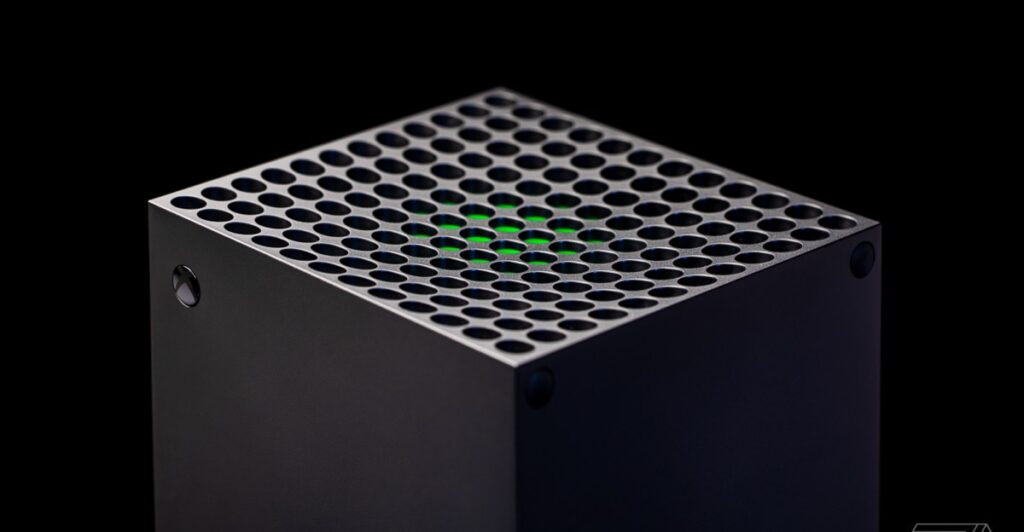
Table of Contents
The End of the ‘Wait and See’ Strategy
For decades, the gold standard for savvy gamers was simple: never buy a console at launch. The logic was sound. Early adopters paid a premium for hardware that was often bulkier, louder, and plagued by first-generation bugs. Within two to three years, manufacturers would typically release a ‘Slim’ or ‘Lite’ version—a refined, more efficient piece of hardware that invariably came with a price cut. Buying late wasn’t just about saving money; it was about getting a better product for less.
But the current hardware cycle has completely inverted this dynamic. For those who held out for a price drop on the Xbox Series X or PlayStation 5, the reward has been a steadily climbing price tag. The traditional trajectory of gaming hardware—where costs plummet as the console ages—has been replaced by a climb that is leaving budget-conscious consumers behind.
A Pattern of Aggressive Hikes
The most glaring example of this shift is currently playing out at Microsoft. In a move that defies historical hardware trends, Microsoft recently raised the price of its current Xbox lineup. The high-end Xbox Series X has now hit $649.99, representing a staggering $150 increase over its $499 launch price in 2020. Even the more affordable digital sibling has seen a bump to $399.99.
This isn’t an isolated incident or a temporary fluctuation. Microsoft has implemented multiple price adjustments since 2023, including significant hikes in markets outside the U.S. Sony has followed a similar pattern, increasing the price of several PS5 models by $50 in August. Even Nintendo, whose original Switch launched nearly eight years ago in 2017, saw a $40 price increase on legacy hardware in August. When combined with the industry-wide shift toward $70 and $80 premium software titles, the barrier to entry for gaming has never been higher.
Tariffs and the Macroeconomic Squeeze
Companies often cloak these increases in corporate jargon, citing “changes in the macroeconomic environment” or “market conditions.” In plain English, the primary culprit is the volatility of global trade and the impact of tariffs. Because consoles rely on complex global supply chains and specialized semiconductors, they are hypersensitive to import taxes and shipping costs.
However, tariffs aren’t the only factor. The cost of developing high-fidelity hardware and the skyrocketing budgets for ‘AAA’ games have put immense pressure on margins. When Sony released the slimmer PS5 in 2023, it didn’t introduce a budget tier; it simply replaced the original model at the same price point. This signaled a fundamental change in strategy: the ‘entry-level’ price point is no longer a goal for manufacturers.
The Luxury Pivot
This pricing shift comes at a precarious time for the console ecosystem. The traditional ‘console war’—the fierce battle for hardware exclusivity between Sony, Microsoft, and Nintendo—is fading. We are seeing a massive drift toward platform agnosticism. Former exclusives are migrating to PC, and subscription services like Xbox Game Pass have decoupled the game from the specific box it runs on.
Furthermore, the rise of handheld PCs like the Steam Deck and ASUS ROG Ally offers a compelling alternative for those who want high-end performance without being locked into a specific corporate ecosystem. For a generation of players who grew up on cross-platform titles like Fortnite, Roblox, and Minecraft, the idea of spending $700 on a dedicated box is starting to feel like an antiquated luxury.
If consoles continue to move toward the status of high-end luxury goods rather than mass-market electronics, they risk alienating the very player base needed to sustain the next generation of software. For consumers, the lesson is clear: the window for ‘affordable’ gaming hardware is closing. If you’re eyeing the upcoming Switch 2 or a late-cycle PS5, waiting for a sale may no longer be a viable strategy.