The Death of the 10x Optical Zoom: Why Samsung Pivoted Its Telephoto Strategy
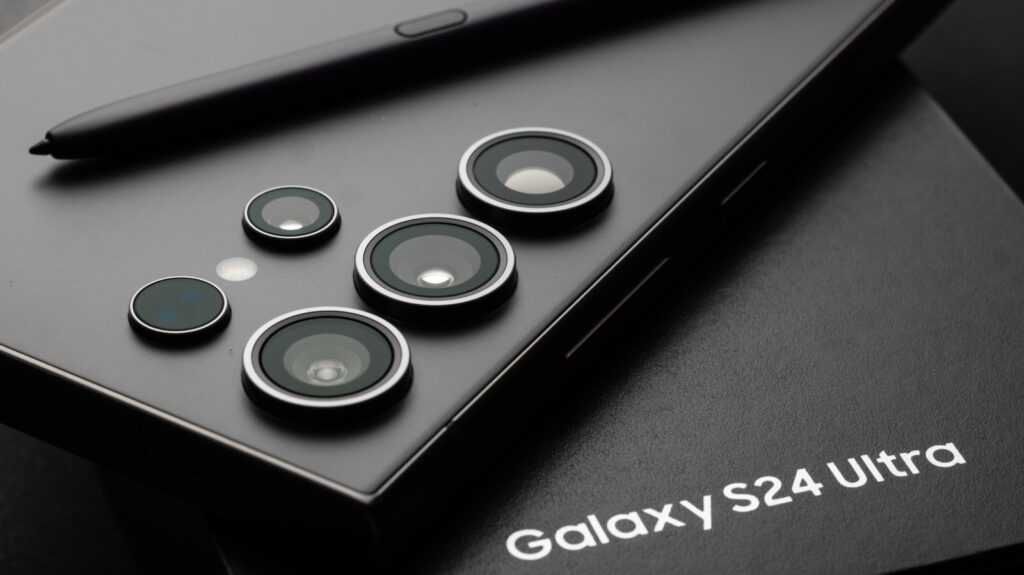
Table of Contents
The end of the ‘Space Zoom’ era
For years, the 10x optical zoom was the defining characteristic of Samsung’s Ultra lineup. From the Galaxy S20 Ultra through the S23 Ultra, the ability to capture distant objects with minimal digital degradation was a primary marketing pillar, positioning Samsung as the clear leader in mobile photography reach. However, the launch of the Galaxy S24 series marked a quiet but fundamental shift in engineering philosophy: the 10x periscope lens was gone, replaced by a 5x optical system.
To the casual observer, moving from 10x to 5x looked like a regression. In the competitive landscape of smartphone specs, lower numbers usually signal a downgrade. Yet, Samsung’s pivot wasn’t about reducing capability—it was about optimizing for how people actually take photos.
The data behind the downgrade
The decision to abandon the 10x lens was rooted in telemetry. During a media briefing with Android Authority, Samsung revealed that user behavior didn’t align with the 10x hardware. While the ‘Space Zoom’ capability made for impressive marketing demos and viral moon shots, real-world usage data showed that the 3x and 5x focal lengths were the most frequently utilized by consumers.
“Looking at customer usage and those zooms that were being utilized the most, we recognized that 3x and 5x were the most used zooms of our customers,” explained Blake Gaiser, Samsung’s former smartphone head. By focusing on these mid-range zoom levels, Samsung could improve the quality of the photos users actually took, rather than optimizing for the edge-case scenario of photographing a distant mountain peak.
Hardware trade-offs: Pixels over glass
To compensate for the shorter focal length, Samsung swapped the lower-resolution 10x sensor for a much more capable 50MP sensor. This is a classic example of ‘sensor cropping.’ By having a high-resolution 50MP array, the phone can crop into the center of the image to achieve a 10x equivalent zoom that, in many lighting conditions, rivals or exceeds the quality of the dedicated 10x lens found in the S23 Ultra.
The technical gains extended beyond just resolution. The new 5x telephoto module features an f/3.4 aperture, a significant improvement over the f/4.9 aperture of the previous 10x system. In photography, a wider aperture allows more light to hit the sensor, which directly translates to better low-light performance and reduced noise in zoomed-in shots.
This hardware shift was further bolstered by the ProVisual Engine, part of the Galaxy AI suite. By utilizing AI-based processing, Samsung can now reconstruct details at 100x hybrid zoom that were previously dependent on raw optical reach, effectively bridging the gap between the 5x lens and the old 10x standard.
The next frontier: 200MP and the ‘Pro’ model
As the Galaxy S26 continues to iterate on this 5x foundation with One UI 8.5, the industry is already looking toward the next leap. Samsung is reportedly keeping a close eye on Chinese competitors like Honor, who have experimented with massive 200MP periscope sensors. These sensors allow for incredible digital cropping, providing high-fidelity zoom without the need for complex, space-consuming lens assemblies.
According to reports from tech insider ‘yeux1122’ via Android Headlines, Samsung may further streamline its camera array in future generations. There is speculation that the 3x module could be phased out entirely to make room for larger batteries and a lighter chassis. Additionally, rumors suggest the S27 lineup might introduce a dedicated ‘Pro’ model—a mid-sized premium device that offers the power of the Ultra without its bulk, mirroring Apple’s strategic split between the iPhone Pro and Pro Max.


