The Dead Internet Theory is Becoming Reality: The Rise of the Invisible AI Influencer
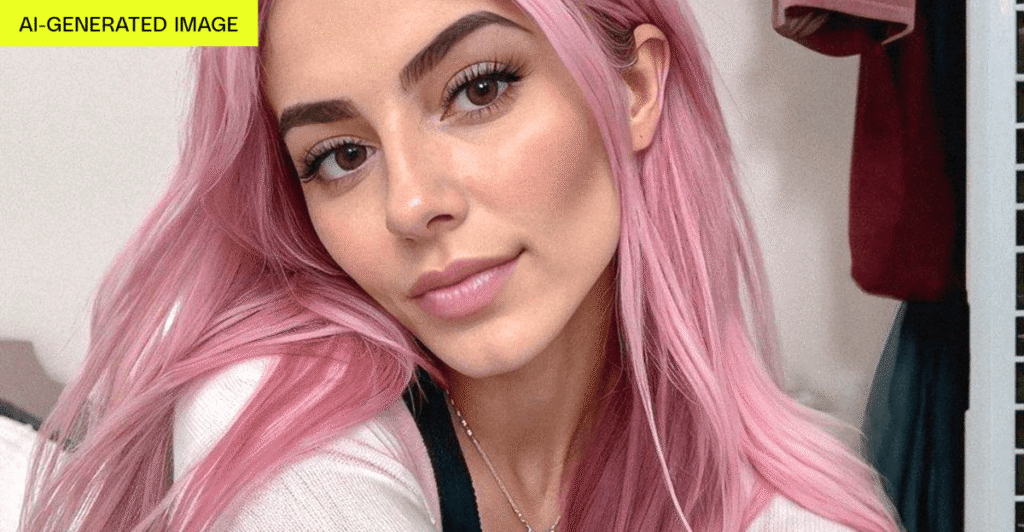
Table of Contents
From Digital Novelty to Algorithmic Noise
In the early days of the virtual influencer, the uncanny valley acted as a natural barrier. Characters like Lil Miquela or Shudu Gram were high-production projects—digital art pieces that required substantial studio budgets and coordinated launches. They were clearly synthetic, and their appeal lay in their artifice. They weren’t trying to fool us; they were trying to fascinate us.
But the era of the high-budget avatar is being replaced by something more insidious: the invisible AI persona. We are seeing a shift from curated digital art to mass-produced synthetic presence. Accounts like Aitana Lopez and Emily Pellegrini represent a transition toward a ‘hyper-realistic’ aesthetic—the kind of polished, luxury-lifestyle imagery that blends seamlessly with the filtered reality of human influencers. When everyone on Instagram is using heavy editing and staged backdrops, a perfectly rendered AI image no longer looks ‘fake’—it just looks like another high-performing post.
The Democratization of the ‘Fake’
The barrier to entry for creating a digital persona has collapsed. Where virtual influencers once required a creative agency like The Clueless, they are now being spawned by individuals using a stack of accessible generative tools. The workflow has shifted from 3D modeling to prompt engineering and fine-tuning. By leveraging services from ElevenLabs for voice cloning, HeyGen for video synchronization, and Midjourney for consistent character generation, a single operator can manage a stable of dozens of personas from a laptop.
This shift has birthed a new economy of ‘synthetic management.’ Some creators, such as the individual known as Professor EP, are transitioning from managing human OnlyFans creators to selling courses on how to automate the entire process. The goal is no longer artistic expression, but the optimization of engagement metrics for profit—whether through drop-shipping low-quality goods, promoting crypto scams, or catering to hyper-specific, often sexualized niches.
The Platform Paradox
Social media giants are currently trapped in a strategic contradiction. On one hand, YouTube, TikTok, and Meta are aggressively integrating AI tools that allow users to clone their voices or simulate their likenesses. On the other, they are attempting to stem the tide of ‘AI slop’—the low-effort, generated drivel that clutters feeds and degrades user experience.
Current policies focus on labeling individual pieces of content rather than the identities behind them. This creates a massive loophole for AI influencers. If an account is built entirely on a synthetic persona, does every single post need a ‘Made with AI’ tag? If the persona isn’t impersonating a specific living person, are they violating terms of service? For the most part, these entities exist in a regulatory gray zone. They aren’t technically scams if they are selling a legitimate (albeit mediocre) product, and they aren’t impersonators if the person they are portraying never existed.
The Scaling Problem
Quantifying the impact of this trend is nearly impossible because the most successful AI personas are the ones that avoid detection. While databases like Virtual Humans track the ‘celebrity’ avatars, there is a subterranean ocean of mid-tier accounts that mimic human behavior with startling accuracy. These accounts don’t aim for millions of followers; they aim for a few thousand highly engaged users who believe they are interacting with a real person.
Industry projections suggest the virtual influencer market could balloon to over $60 billion by 2030, up from roughly $12 billion today. However, the real growth isn’t in the high-end brand deals, but in the sheer volume of synthetic agents influencing consumer behavior on a granular level. As video and audio generation reach parity with reality, the ability to distinguish a human creator from a prompt-driven persona will move from ‘difficult’ to ‘impossible,’ fundamentally altering the trust architecture of the social web.


