The Dashboard Spy: How Modern Cars Are Becoming the Ultimate Data Harvesting Tools
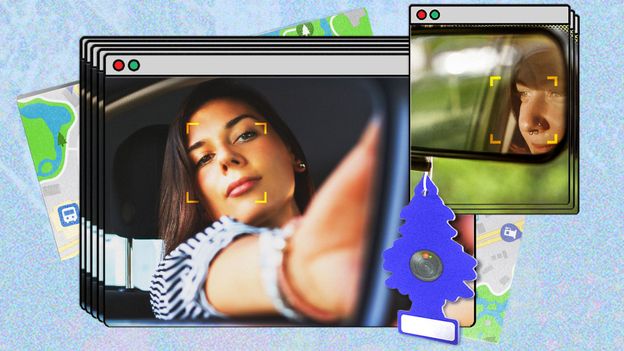
Table of Contents
The Illusion of the Open Road
For decades, the car represented the ultimate sanctuary of privacy—a mobile bubble where the only witnesses to your conversations and destinations were the passengers you chose. But as the automotive industry pivots toward ‘Software-Defined Vehicles’ (SDVs), that sanctuary has been replaced by a sophisticated network of sensors, microphones, and cloud-linked telemetry.
Modern vehicles are no longer just mechanical transport; they are rolling data centers. From the moment you unlock the door to the second you kill the engine, your car is generating a digital trail that extends far beyond simple odometer readings. We are talking about precise GPS coordinates, braking patterns, seatbelt compliance, and even biometric markers like facial expressions and weight.
The Worst Product Category for Privacy
The scale of this surveillance is not merely speculative. A comprehensive 2023 analysis by Mozilla, the organization behind the Firefox browser, scrutinized the privacy policies of 25 major automotive brands. The results were staggering: not a single brand met Mozilla’s baseline privacy and security standards. The researchers concluded that cars were the worst product category they had ever reviewed for privacy.
The breadth of data being claimed in these policies is sweeping. According to the report, manufacturers reserve the right to collect everything from financial details and psychological trends to sensitive biometric data. In one particularly jarring example, Kia’s privacy policy suggested the company might collect data regarding a driver’s general health and even their sex life. While Kia spokesperson James Bell later clarified that the company does not actually collect such data—stating that these terms were included to align with California’s broad definition of ‘sensitive data’—the fact that such language exists in a legal contract reveals the expansive appetite for data within the industry.
Biometrics and the New Regulatory Push
The privacy creep is about to accelerate due to new regulatory mandates. Federal laws are moving toward requiring American automakers to install infrared biometric cameras and driver-monitoring systems (DMS). The stated goal is noble: detecting driver impairment, drowsiness, or distraction to reduce accidents.
However, the technical implementation of these systems creates a permanent record of a driver’s physiological state. By tracking eye movement, pupil dilation, and body language, these systems generate a trove of health-related data. Currently, there are few robust federal guardrails limiting how automakers or their third-party partners might monetize this biometric information once it leaves the vehicle.
Follow the Money: Insurance and Third-Party Sales
The primary driver of this data hunger is monetization. The most immediate impact is felt in the insurance sector through ‘telemetrics.’ By monitoring how hard you brake or how often you speed, insurance companies can offer discounts to ‘safe’ drivers. But the inverse is also true: this data can be used to justify premium hikes or deny coverage based on behavioral inferences.
Beyond insurance, the sale of raw location data has become a point of legal contention. General Motors (GM) has already faced scrutiny from state and federal agencies over allegations of selling location data without explicit consent, while senators have raised similar concerns regarding Honda and Hyundai. When a car knows where you live, where you work, and which clinics or houses of worship you visit, it ceases to be a tool for transportation and becomes a tool for profiling.
Can You Opt Out?
For most drivers, the ‘opt-out’ process is buried under layers of complex menus or hidden within 50-page legal agreements. Many of these data streams are baked into the vehicle’s core functionality, making it nearly impossible to enjoy the ‘smart’ features of a modern dashboard without agreeing to be tracked.
As McKinsey reports, roughly 50% of cars on the road in 2021 were internet-connected, a figure projected to hit 95% by 2030. The transition is almost complete. The question remaining is whether the convenience of a connected car is worth the price of a permanent, second-by-second digital diary of your physical movements.