The Century-Old Playbook: Why Modern Vaccine Skepticism Is an Old Story
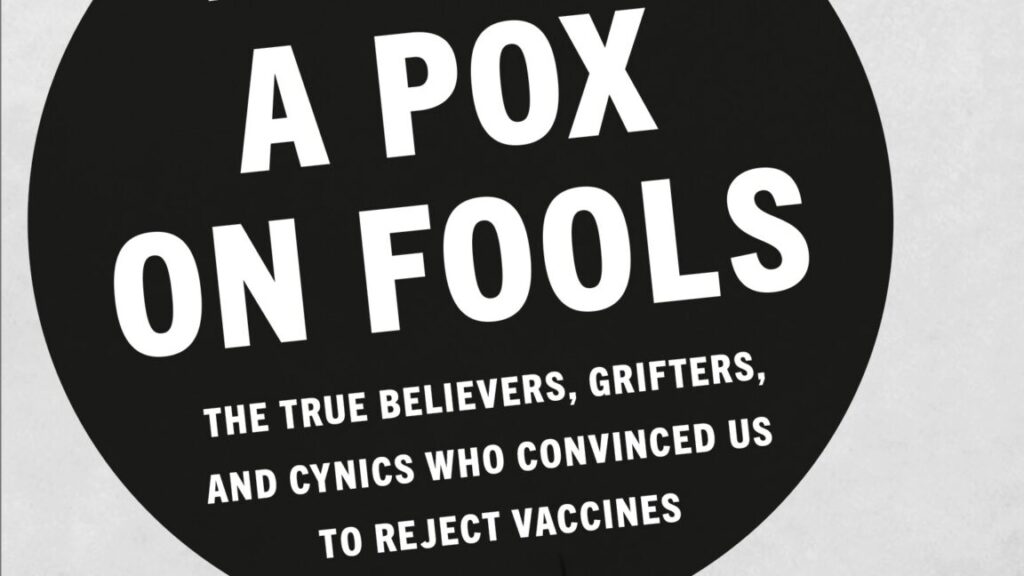
Table of Contents
The Persistence of the Anti-Vaccine Narrative
Stanley Plotkin, a 93-year-old pioneer in vaccine development, recently remarked that he is beginning to regret his longevity because society seems to be moving backward. His frustration isn’t rooted in a lack of scientific progress—the tools of immunology are more sophisticated than ever—but in the resurgence of a cultural resistance to those tools. To the modern observer, the surge of vaccine misinformation on social media feels like a product of the digital age. However, a closer look at medical history suggests that we are simply seeing a high-tech remix of a very old song.
In his analysis of the movement’s genealogy, author Thomas Levenson categorizes the opposition into three distinct archetypes: the True Believers, the Grifters, and the Cynics. These aren’t just personality types; they represent the three primary pillars of argument that have been used to fight immunization since the early 18th century.
The Moral and ‘Natural’ Argument
The earliest pushback against immunization wasn’t based on data, but on divinity. When Lady Mary Wortley Montagu and Cotton Mather introduced smallpox inoculation in London and Boston in 1721, they were met with claims that interfering with a disease was a blasphemous attempt to thwart God’s will. At the time, contracting a disease was often viewed as a divine punishment for sin; attempting to avoid it via medicine was seen as hubris.
By the mid-19th century, the language shifted from the theological to the ecological. The Romantics and Transcendentalists replaced “God” with “Nature.” The argument evolved into the belief that vaccines were an affront to the natural order and that “clean living” was a sufficient shield against infection. This narrative persists today in the form of wellness influencers who suggest that a curated diet or a level of physical purity can replace the targeted protection of a vaccine.
The Illusion of the ‘Safe’ Alternative
A more insidious thread of the movement focuses on the perceived harm of the vaccine versus the perceived risk of the disease. Figures like Robert F. Kennedy Jr. have leaned into the claim that vaccines are actively harmful—or at least more dangerous than the pathogens they target. This argument finds fertile ground because of a paradox of success: vaccines have been so effective that the horror of the pre-vaccine era has been erased from collective memory.
In the 19th century, nearly 40% of children died before age five, largely due to infectious diseases. Today, because we no longer see child-sized coffins in every neighborhood, the absence of disease is taken for granted. This allows skeptics to highlight the immediate, tangible side effects of a shot—a sore arm or a mild fever—while ignoring the invisible, avoided catastrophe of a widespread epidemic.
The Pivot to Political Liberty
While the first two arguments are biological or moral, the third is purely philosophical: the fight against mandates. This shift moves the conversation away from whether a vaccine works and toward the relationship between the individual and the state.
This tension was codified in the 1905 Supreme Court case Jacobson v. Massachusetts. Henning Jacobson refused a mandatory smallpox vaccination, arguing that a compulsory law was hostile to the inherent right of a freeman to care for his own body. The Court, however, ruled that individual liberties are not absolute. Justice John Marshall Harlan’s majority opinion established that a community has the right to protect itself from a plague, even if it means curtailing the personal freedoms of a few for the safety of the many.
The tragedy of the current era is that while the platforms have changed—from pamphlets to TikTok—the logic remains stagnant. The True Believers still chase a phantom purity, the Grifters sell a cure for the fear they create, and the Cynics mistake a lack of trust in government for a lack of trust in science.