The Biological Glitch: How a New ‘Killer Fungus’ is Resetting Britain’s Invasive Moss Landscapes
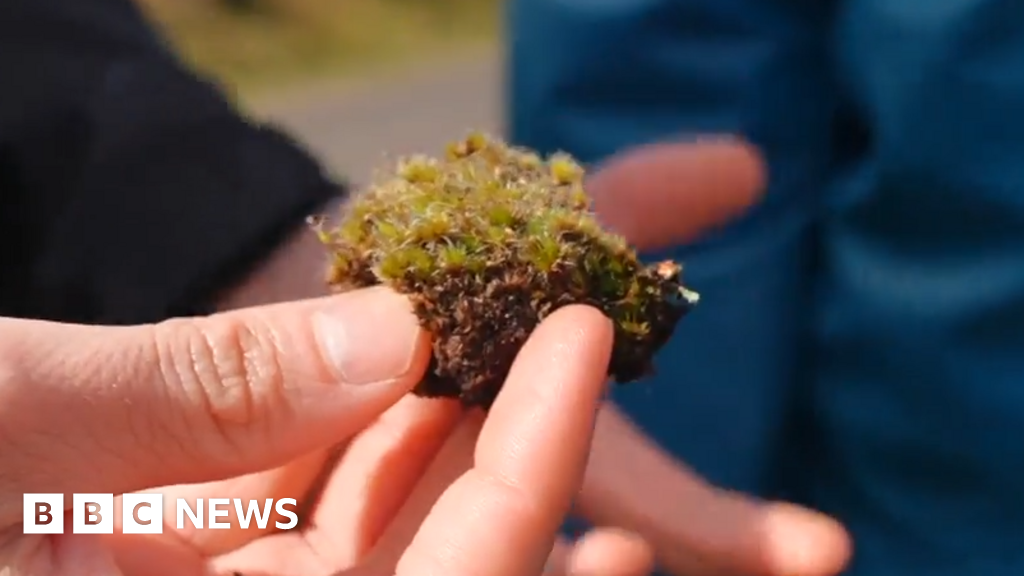
Table of Contents
A Natural Correction in the Undergrowth
In the quiet, damp corners of the British countryside, a biological war is being waged at a scale invisible to the casual hiker. For decades, the heath-star moss (*Campylopus introflexus*) has acted as a botanical colonizer, aggressively displacing native flora across hillsides, sand dunes, and even urban tarmac. However, a discovery by researchers at Amgueddfa Cymru museum suggests the environment may have developed its own corrective mechanism: a potent, previously unknown fungus that is systematically dismantling the invader.
The discovery began four years ago on the cliffs of the Isle of Wight, when Dr. George Greiff noticed unusual patches of decaying moss. While the symptoms—brown, concentric ‘fairy rings of death’—were apparent, the culprit remained elusive. After years of field observations and collaboration with researchers across the UK and France, Greiff and his team have identified the agent as a specific moss die-back fungus.
The Mechanics of the Die-Back
To the naked eye, the impact is subtle—brown rings the size of a human palm. But under macro lenses and microscopes, the technical reality is far more aggressive. The fungus attaches itself to the moss stems, ballooning like candy floss and penetrating the cellular structure of the plant. Through rigorous DNA sequencing, researchers found that this fungus is a close relative of the ash die-back pathogen, which has decimated an estimated 80 million ash trees across Britain.
Unlike its destructive relative, however, this particular fungus appears to be highly specialized. Preliminary analysis suggests it primarily targets the heath-star moss, with limited impact on other species. This specificity is critical; in the world of biological control, a generalist pathogen is a catastrophe, but a specialist is a tool for restoration.
Combatting the Southern Hemisphere Invader
The heath-star moss, believed to have arrived from the southern hemisphere in the 1940s, represents a classic case of ecological imbalance. By the 1990s, it had exploded across the UK, choking out native mosses that form the foundation of carbon-storing peatlands and rare temperate rainforests. These native bryophytes are essential for maintaining the moisture and nutrient cycles that support insects, mollusks, and other rare plants.
Manual removal of such a pervasive species is practically impossible. As Dr. Greiff notes, the resource intensity and cost of physical eradication make human intervention ineffective. The emergence of a natural biological control agent provides a scalable, autonomous solution that operates without the need for expensive chemical interventions or labor-intensive weeding.
Tracing the Evolutionary Timeline
The research is now moving into the archives. Dr. Nathan Smith, Head of Plant and Earth Science at Amgueddfa Cymru, is utilizing the UK’s oldest moss collections—some dating back to the 1880s—to determine exactly when the fungus appeared. By cross-referencing historic samples with current outbreaks, the team hopes to understand if the fungus is a native species that adapted to the invader or a new arrival itself.
If the fungus is indeed a native species that evolved to target the heath-star moss, it would mark a rare instance of an ecosystem ‘fighting back’ against a non-native threat. In a country where one in six species is currently at risk of extinction, this biological pivot offers more than just a technical victory—it provides a blueprint for how native biodiversity might recover when given the right evolutionary catalyst.