The Arctic Renaissance: New Geology and Policy Shift Trigger Alaska’s Oil Comeback
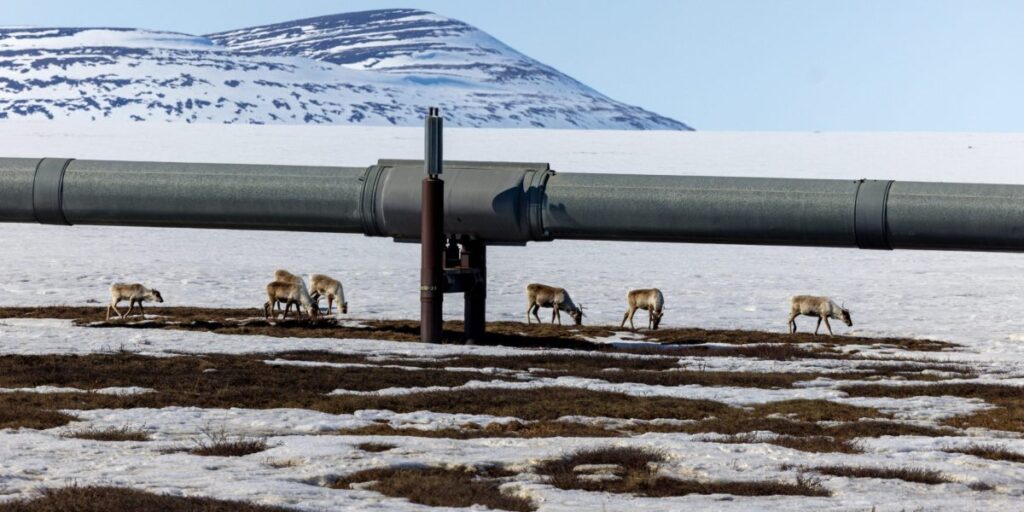
Table of Contents
The End of the ‘ChapStick’ Era
When John Kurz walked away from Alaska’s North Slope in 2009, the outlook for the region’s energy sector was bleak. Crude production had plummeted to 567,000 barrels per day—a staggering drop from the 2 million barrels pumped daily during the field’s peak decades earlier. At the time, the industry wasn’t just declining; it felt terminal.
The fear among engineers was visceral. There were genuine concerns that the Trans Alaska Pipeline System (TAPS), the lifeline carrying crude to the continental U.S., would suffer from slow-moving oil. The technical worry was that the crude would congeal, creating a waxy buildup that would effectively turn TAPS into the world’s largest tube of ChapStick. For Kurz, then BP Plc’s senior operations manager for Greater Prudhoe Bay, the writing was on the wall: the industry was dying.
Fast forward to 2023, and Kurz has returned, now heading Alyeska Pipeline Service Co. His return mirrors a broader trend: a sudden, aggressive resurgence of interest in the Arctic, driven by a potent mix of new geological data and a pivot in federal regulatory appetite.
A Geological Jackpot in the Tundra
The catalyst for this revival isn’t just political—it’s subterranean. For years, production focused on modest pools of oil, but a 2013 breakthrough by wildcatter Bill Armstrong and Repsol changed the math. By drilling into the Nanushuk formation, they uncovered a vast, previously overlooked potential that shifted the entire risk-reward profile of the North Slope.
The U.S. Geological Survey estimates the National Petroleum Reserve-Alaska (NPRA) contains roughly 8.7 billion barrels of recoverable oil. This geological optimism has materialized into tangible production; earlier this month, Santos and Repsol began pumping the first commercial barrels from the Pikka discovery, which is projected to produce around 80,000 barrels per day.
This shift has brought back giants who had previously abandoned the region. ExxonMobil, which hadn’t drilled an exploratory well in Alaska since the early 1990s, recently secured winning bids for 23 tracts in the NPRA. Shell, which famously exited Arctic waters in 2015 after a series of failed searches, has returned in partnership with Repsol to secure 42 leases.
The Policy Engine
While the geology provides the incentive, the Trump administration is providing the acceleration. President Donald Trump has positioned Alaska as a cornerstone of his energy-dominance strategy, signing executive orders shortly after his inauguration to streamline permitting and unlock mineral and oil riches across the territory.
By lifting Biden-era restrictions on drilling within the NPRA, the administration has signaled a “green light” to Houston boardrooms. The impact was immediate: in a March federal auction, ConocoPhillips, Shell, ExxonMobil, and Santos set records by bidding nearly $164 million for leases.
“It feels like a bit of the Alaska renaissance,” says ConocoPhillips CEO Ryan Lance. For the industry, the move back to Alaska is a strategic hedge against global demand and a bet that these regulatory shifts are permanent fixtures of the new energy landscape.
Ecological Friction
The industrial surge is not without fierce opposition. Environmentalists argue that the “gold rush mentality” currently gripping the NPRA ignores the fragility of one of the world’s largest intact ecosystems. The territory spans 23 million acres and serves as a critical corridor for migratory birds from every continent.
Bobby McEnaney, director of land conservation for the Natural Resources Defense Council, warns that the rush for Arctic oil prolongs a global dependence on fossil fuels and threatens wildlife habitats that are already under stress from warming climates. The tension remains a fundamental clash between the drive for energy independence and the necessity of Arctic preservation.
Despite these conflicts, the momentum on the ground is undeniable. In the frozen expanses of the North Slope, the sound of drilling rigs has returned, and for the geologists on site, the prospect of untapped billions is simply too compelling to ignore.


