The ‘App Gap’ is Closing: Third-Party Developers are Finally Unlocking the Meta Ray-Ban Display
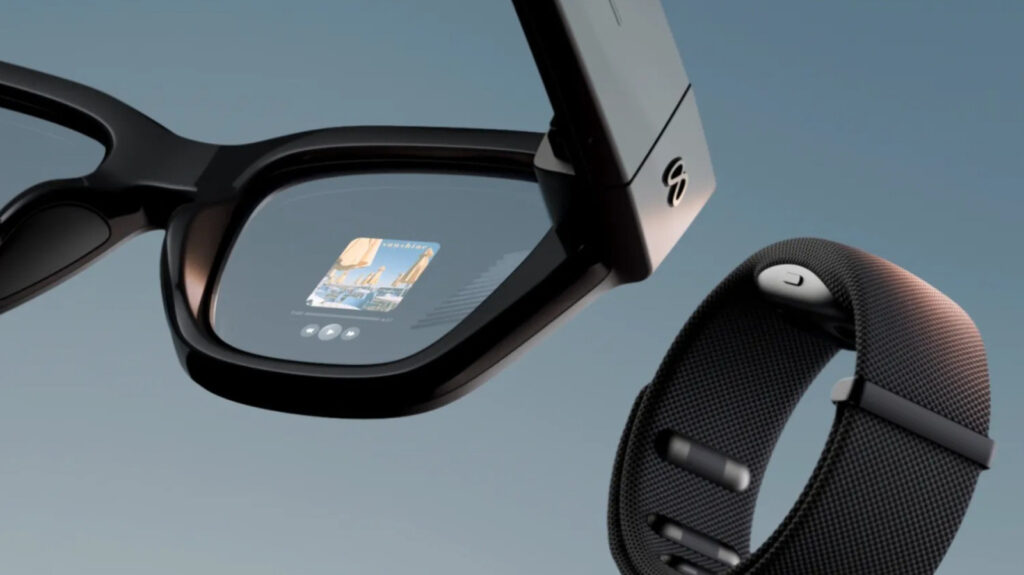
Table of Contents
Beyond the Notification Bubble
When Meta launched the Ray-Ban Display in the U.S. last September, the hardware promised a glimpse into a post-smartphone future. The transition from the standard smart glasses to a full-color, in-lens display was a significant technical leap, but the software experience felt curiously stagnant. For an $800 investment, users found themselves tethered to a narrow corridor of first-party utilities—WhatsApp, Instagram, and the ubiquitous Meta Assistant—alongside a handful of music integrations via Spotify and Apple Music.
The device suffered from what early adopters call the ‘app gap.’ While the optics were impressive, the utility was limited to glanceable notifications and basic voice commands. However, the trajectory shifted in mid-May when Meta opened its developer platform to the public. By granting external studios and independent coders access to the SDK, Meta has effectively outsourced the discovery phase of its AR UX, and the results are starting to move the needle from ‘novelty’ to ‘necessity.’
Redefining Ambient Productivity
The most successful early entries into the Ray-Ban ecosystem are those that respect the ‘glance’ nature of AR. Rather than trying to replicate a phone screen, developers are building apps that solve specific, hands-busy friction points. DisplayList is a prime example; by pinning a grocery or to-do list directly into the user’s field of vision, it eliminates the constant cycle of pulling a phone out of a pocket during errands. The integration of hands-free gestures allows users to check off items without breaking their stride.
Similarly, the Sous app targets a classic domestic pain point: the messy recipe book. By streaming step-by-step culinary instructions into the lens, Sous allows users to navigate complex recipes and set integrated timers without touching a screen with flour-covered hands. This move toward ‘contextual utility’ is where the Ray-Ban Display finally justifies its premium price tag.
The Neural Interface and Smart Home Control
One of the more interesting technical integrations involves the Meta Neural Band. While voice assistants have long been the primary way to control smart homes, they are often clunky and socially awkward in shared spaces. The Philips Hue integration allows users to bypass voice commands entirely, using the Neural Band to toggle lights, adjust brightness, and cycle through color scenes via subtle muscular signals. It is a glimpse into a future where the interface is nearly invisible.
Gaming in the Periphery
While productivity is the selling point, the developer community is equally focused on the ‘boredom’ factor. Gaming on AR glasses requires a delicate balance—too much visual clutter and the user loses situational awareness; too little, and it’s boring. Dino Run, a minimalist tribute to the Chrome offline game, hits this mark by using a sparse aesthetic that preserves the user’s view of the real world, controlled via simple pinch and swipe gestures.
On the more ambitious end of the spectrum, developers have managed to port Doom to the glasses. While the graphics are scaled for the in-lens display, the use of hands-free gestures for movement and shooting demonstrates the hardware’s ability to handle more complex spatial interactions. Meanwhile, Glimmer—an open-source virtual pet reminiscent of the 90s Tamagotchi craze—introduces a layer of persistence to the device, requiring users to check back in on their digital pets throughout the day, creating a recurring reason to engage with the display.
The Path to Mass Adoption
The arrival of the Sports app, providing real-time NFL, NBA, and Premier League standings without requiring a login, underscores Meta’s strategy: frictionless data delivery. By removing the barrier of account creation and focusing on high-frequency data, Meta is encouraging users to treat the glasses as a secondary, ambient information stream.
As the developer ecosystem matures, the success of the Ray-Ban Display will likely depend on whether Meta continues to open the gates. The transition from a closed system to an open platform has already breathed life into the hardware, transforming it from a high-end accessory into a legitimate computing platform.


