The ‘Americana’ Algorithm: How World Cup Tourists Are Gamifying the U.S. Experience on Social Media
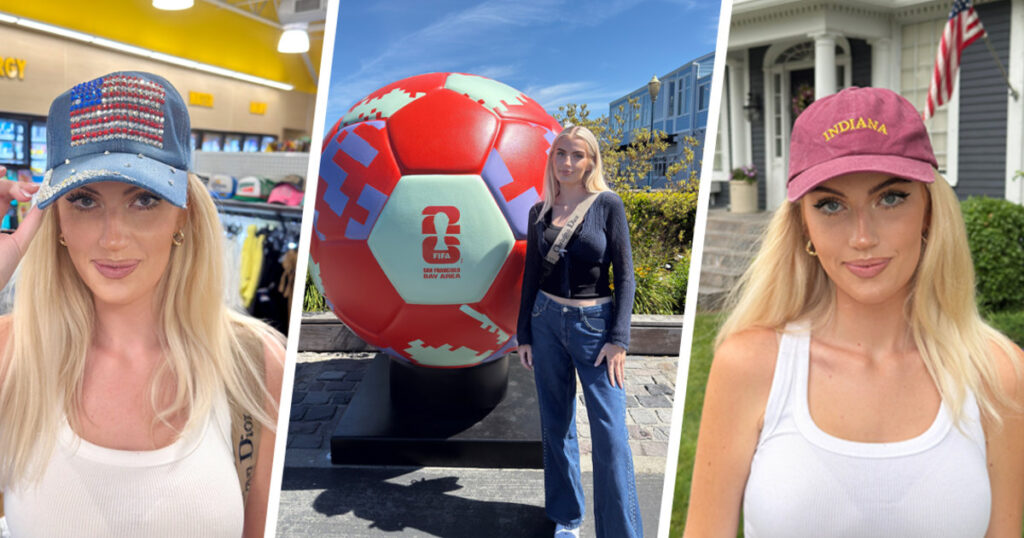
Table of Contents
The Aesthetics of the ‘Everyday’
For most Americans, a yellow school bus or a trip to a gas station is a mundane utility. For Elsa Thora, a 24-year-old Swedish tourist traveling through Indiana for the World Cup, these are cinematic events. Thora’s X (formerly Twitter) feed has become a curated gallery of ‘Americana’—buffalo blue cheese pretzels, Hostess Twinkies, and the existential shock of tasting ranch dressing for the first time. Her reaction to the latter, describing it as “like crack,” is a textbook example of how niche cultural shocks are engineered for maximum engagement in the current social media economy.
As international fans descend upon North America for the tournament, a distinct pattern has emerged in the digital sphere. The “World Cup tourist” is no longer just a visitor; they are a content creator. By documenting the sheer scale of U.S. infrastructure—from five-story Starbucks Reserve Roasteries in Chicago to the sprawling aisles of Buc-ee’s—these visitors are tapping into a global fascination with American excess, a trend that resonates deeply with both international audiences and domestic users seeking a nostalgic, idealized version of their own country.
Viralism and the ‘Wholesome’ Pivot
The popularity of these posts, which have amassed millions of views, reflects a broader shift in internet culture. Amidst a fragmented and often hostile political digital landscape, there is a growing demand for “wholesome” or apolitical content. This “Tourist Gaze” allows American users to view their own environment through a lens of wonder, effectively rebranding routine consumerism as a cultural attraction. When a German fan known as ‘Freddy’ documents his first Waffle House meal or his awe at the size of U.S. stadiums, he isn’t just sharing a travel log; he is feeding a feedback loop of national pride that transcends political divides.
This phenomenon has even attracted high-profile digital interaction. Transportation Secretary Sean Duffy and NFL legend J.J. Watt have both engaged with these viral threads, demonstrating how organic, user-generated content is now a primary tool for soft-power diplomacy and personal branding. By validating the “road trip” experience, these figures lean into a romanticized version of the American interior that plays well across algorithmic discovery engines.
The Digital Divide: Access vs. Aesthetics
However, the curated joy of these social media feeds exists in stark contrast to the rigid realities of U.S. border policy. While Thora and Freddy navigate the country with ease, the digital record of the tournament is also being shaped by those who cannot enter. The gap between the “Buc-ee’s experience” and the reality of government detention is jarring.
Reports from NBC News highlight a darker side of the travel experience: 15 Iranian officials have been denied entry, and Somali referee Omar Artan was reportedly detained for 11 hours in Miami before being deported. These instances of systemic friction provide a sharp counter-narrative to the viral “land of the free” imagery. While the algorithm promotes the aesthetic of the American road trip, the physical border remains a site of intense scrutiny and exclusion.
This dichotomy creates a strange tension in the digital discourse. One side of the timeline is filled with Japanese journalists comparing Nashville to Universal Studios, while the other is dominated by reports of invasive border searches for Iraqi players. It suggests that the “American Experience” being exported via social media is not a monolith, but a highly selective edit—accessible only to those who possess the right passport.
The Mechanics of the ‘Tourist Phenomenon’
From a platform perspective, this trend succeeds because it utilizes high-contrast imagery and relatable emotional triggers. The shock of a 50,000-square-foot gas station or the absurdity of a massive Starbucks provides the kind of visual ‘thumb-stop’ that drives engagement. For the users, it is a form of digital escapism. For the tourists, it is a way to monetize their journey through attention, even if, as Thora claims, they are not yet receiving official sponsorships.
As the tournament progresses, this intersection of digital culture and physical travel will likely continue to highlight the disparity between the brand of America—the one sold through ranch dressing and neon signs—and the operational reality of its borders.