The AirPods Paradox: Apple’s Iterative Strategy in an Era of Audio Saturation
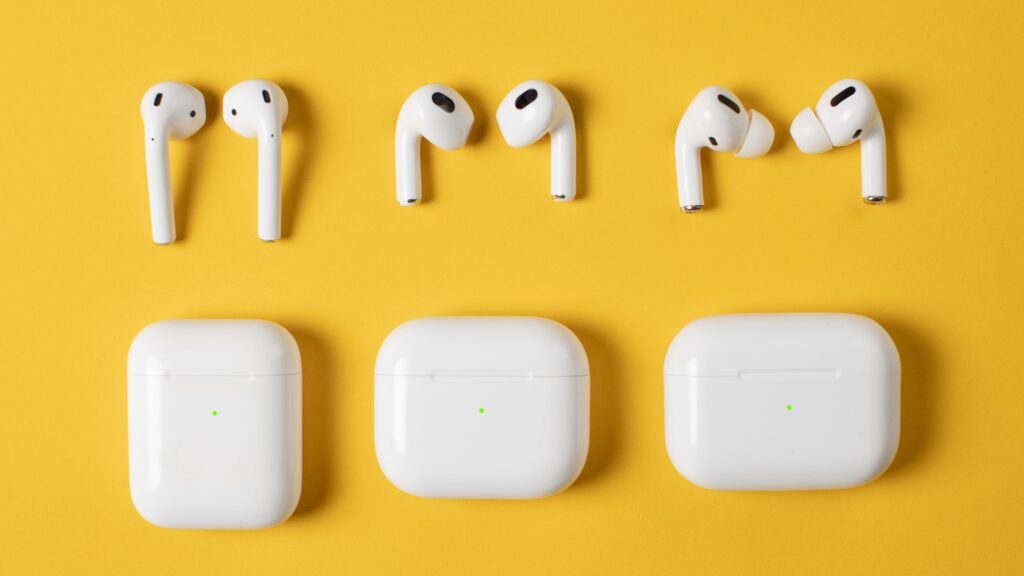
Table of Contents
The Iteration Trap
When Apple launched the original AirPods in 2016, the move was widely mocked as a gamble on aesthetic over utility. The removal of the 3.5mm headphone jack had left a void that many felt was being filled by a fragile, expensive accessory. However, that gamble fundamentally shifted the consumer’s relationship with audio. The ‘bud’ transitioned from a gym accessory to a permanent fixture of the modern urban uniform.
Now, with the arrival of the AirPods Max 2, Apple finds itself in a different predicament. The new flagship over-ear headphones bear a striking, almost identical resemblance to the first generation. For a product that has had years to evolve, the lack of a visual overhaul is jarring. Yet, this visual stagnation is where the AirPods paradox resides: the most significant leaps in modern audio are no longer happening in the chassis, but in the silicon.
Silicon over Steel
The real story of the Max 2 isn’t the aluminum earcups, but the updated H-series chips. By pushing computational audio further, Apple is attempting to solve the inherent physics problem of small drivers. While audiophiles have long argued that wireless earbuds and lightweight over-ears can never match the soundstage of open-back wired monitors, Apple is betting that adaptive EQ and smarter noise cancellation can trick the human ear into believing they do.
In testing, the sonic profile of the Max 2 shows a tighter low-end response and a more refined mid-range that manages to avoid the ‘muddy’ quality often found in consumer ANC headphones. The active noise cancellation remains the gold standard, leveraging a dense array of microphones to create a silence that rivals the Sony WH-1000XM5, though Apple’s integration with the broader ecosystem—specifically the seamless switching between an iPhone and a Mac—remains the primary competitive moat.
The Fragmentation of Personal Audio
The broader market has split into two distinct camps: the convenience-first crowd and the fidelity-obsessed. Earbuds, including the standard AirPods and the Pro series, have won the convenience war. They are lightweight, stable during movement, and increasingly capable of providing an ‘acceptable’ audio experience for the average commuter.
However, the rise of In-Ear Monitors (IEMs) among non-professionals suggests a growing appetite for actual audio quality. As users move away from the ‘one size fits all’ approach of mass-market buds, Apple’s challenge is to keep the AirPods Max relevant as a bridge between the disposable nature of buds and the permanence of high-end hifi gear.
The Cost of Convenience
Despite the technical prowess, the price point of the Max 2 continues to be a point of contention. By pricing the device well above the average consumer’s threshold for ‘headphones,’ Apple is positioning the product as a luxury tech garment. The stability and ease of setup are undeniable, but for those who prioritize raw frequency response over the ease of an iCloud pairing, the value proposition remains skewed.
Ultimately, the AirPods Max 2 proves that Apple is no longer interested in reinventing the wheel. Instead, they are perfecting the lubrication. The hardware is a known quantity; the magic is now entirely in the software, ensuring that the user experience remains friction-less even if the aesthetic remains stagnant.