The 5,000-Year-Old Ecosystem: Living Yeast Found Within Ötzi the Iceman
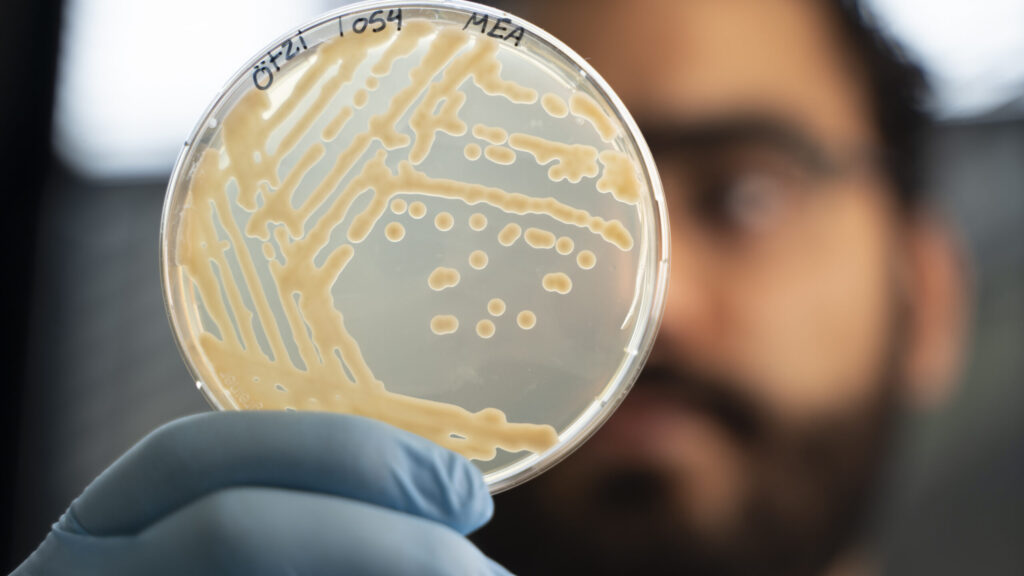
Table of Contents
A Living Bridge to the Copper Age
For over five millennia, Ötzi the Iceman remained frozen in the Ötztal Alps, a perfectly preserved snapshot of Copper Age life. Since his discovery by hikers in 1991, he has been the subject of exhaustive genomic sequencing and forensic analysis. However, a recent study from the Institute of Mummy Studies at Eurac Research reveals that Ötzi is more than just a biological archive—he is still hosting a living, breathing microbial ecosystem.
While previous research focused on the long-dead bacteria in Ötzi’s gut, a team led by microbiologist Mohamed S. Sarhan has identified several strains of cold-tolerant yeasts that have not only survived but continued to reproduce at a glacial pace across thousands of years. These organisms, found on the mummy’s skin, within the stomach, and in internal meltwater, represent a rare instance of ancient life persisting into the modern era.
Distinguishing Ancient Life from Modern Contamination
One of the primary challenges in paleomicrobiology is the ‘contamination’ problem. In a laboratory setting, it is incredibly easy for modern microbes to infiltrate ancient samples, leading to false conclusions about a specimen’s original biology. To combat this, Sarhan and his colleagues employed a dual-track methodology combining traditional culturing with shotgun metagenomics.
Shotgun metagenomics allows researchers to sequence all DNA fragments within a sample without targeting a specific gene. By analyzing these fragments, the team identified a tell-tale sign of antiquity: DNA damage. Ancient DNA typically exhibits short, degraded fragments. In the case of the yeasts—specifically species from the Phenolifera, Glaciozyma, Goffeauzyma, and Mrakia genera—the researchers found these degraded signatures, confirming the yeast had likely been present since shortly after Ötzi’s death.
Interestingly, the team compared samples taken in 2010 with those from 2019. The more recent samples showed longer DNA fragments and less degradation. This suggests that these yeasts weren’t simply dormant seeds waiting to be woken up; they have been slowly multiplying over time, adapting to the conditions of both the glacier and the museum.
The Role of Preservation and Evolutionary Edges
Ötzi is currently housed at the South Tyrol Museum of Archaeology in Italy, where he is kept in a high-tech chamber at -6° Celsius with 99% humidity. While these conditions are designed to halt decay, they inadvertently created a sanctuary for psychrophilic (cold-loving) microbes. The researchers noted that Glaciozyma, one of the identified species, is commonly found in alpine glacial ice, suggesting that these microbes may have infiltrated the body through natural openings shortly after death, treating the mummy as a nutrient-rich oasis in a frozen wasteland.
The study also uncovered a surprising intersection between ancient biology and modern conservation. In 1991, conservators treated the mummy with phenol, an antifungal compound intended to prevent mold. However, three of the four identified yeast species are capable of breaking down phenol. This means that the very chemical used to protect the mummy may have inadvertently given these specific ancient yeasts a competitive advantage over other microbial rivals, effectively “weeding” the ecosystem in their favor.
Beyond the Mummy: Scientific Implications
The discovery of these living yeasts raises fundamental questions about the limits of microbial dormancy and the ability of life to persist in extreme environments. The team is now investigating whether these yeasts remained in a state of cryptobiosis—a profound dormancy—or if they maintained a continuous, albeit incredibly slow, metabolic cycle through thousands of years of freeze-thaw fluctuations.
While the research team reportedly experimented with creating sourdough using identified species of these yeasts, they clarified that these were synthesized cultures of the species, not samples taken directly from the mummy—an essential distinction for both ethical and biohazardous reasons. Beyond the curiosity of “ancient bread,” the ability to study live descendants of Copper Age microbes provides unprecedented insight into how microorganisms evolve in isolation over millennia.