The $32 Billion Pipeline: Why the Startup Battlefield 200 Still Matters in the Age of AI
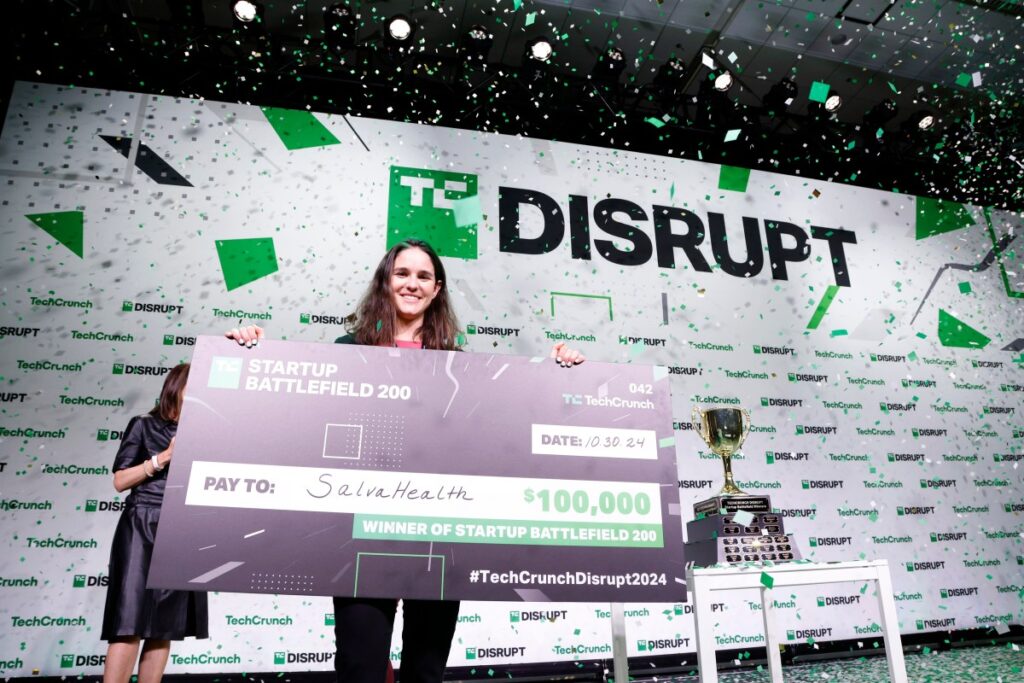
Table of Contents
The Last Call for the Next Category-Definers
The window is closing on one of the most enduring scouting engines in the technology sector. Applications for the Startup Battlefield 200 close tonight at 11:59 p.m. PT, marking the final opportunity for early-stage founders to secure a spot at TechCrunch Disrupt. For the ambitious, it is a gamble on visibility; for the seasoned, it is a strategic play for investor access.
At its core, the Battlefield 200 isn’t just a competition for a $100,000 equity-free prize—though that figure remains a significant draw for bootstrapped teams. It is a high-visibility filter. Out of thousands of global applicants, only 200 are selected to showcase, and a mere 20 finalists earn the right to pitch on the main Disrupt stage. In an era where venture capital has become increasingly cautious and ‘AI-everything’ has flooded the market with noise, the curation process of the Battlefield has taken on a new level of importance.
A Proven Track Record of Outsized Returns
To understand why founders still scramble to meet this deadline, one only needs to look at the alumni list. The program has a historical knack for identifying infrastructure and utility shifts long before they become industry standards. Dropbox, Cloudflare, and Discord all passed through this pipeline at stages when their core value propositions were still viewed as niche or experimental. Discord, for instance, entered the fray as a scrappy gaming tool called Hammer & Chisel, far removed from the global communication hub it is today.
The cumulative impact of the program is staggering: more than 1,700 participating startups have collectively raised over $32 billion. The exit velocity is equally impressive, with over 250 acquisitions by the likes of Google, Microsoft, Amazon, and Salesforce. This suggests that the Battlefield acts less like a traditional contest and more like a signaling mechanism for the broader VC ecosystem.
Breaking the ‘Polished Pitch’ Paradigm
One of the more interesting aspects of this year’s cycle is the emphasis on raw potential over corporate polish. While many accelerators demand a specific level of Monthly Recurring Revenue (MRR) or a completed Series A, the Battlefield 200 continues to accept pre-launch companies and those without immediate revenue. The editorial and judging focus remains on whether a product is truly category-defining or merely an incremental improvement on an existing tool.
This openness is critical in the current climate of emerging technology. Many of the most disruptive breakthroughs in generative AI, quantum computing, and biotech often lack traditional metrics in their first six months. By prioritizing innovation over accounting, the program maintains its ability to find the ‘black swan’ startups that others miss.
Navigating the Disrupt Ecosystem
For the 200 selected companies, the value proposition extends beyond the stage. They are placed directly in the path of over 10,000 attendees, including top-tier venture capital firms and global media outlets. Whether a founder ends up on the main stage or the Pitch Showcase Stage, the exposure creates a concentrated burst of networking that would typically take months of cold outreach to achieve.
As the clock ticks toward the midnight deadline, the surge in last-minute applications is a predictable pattern. However, for those building the next era of software or hardware, the risk of missing the window outweighs the anxiety of an imperfect application. In the world of startups, the only thing worse than a flawed pitch is a missed opportunity for discovery.