The $200 MacBook: Is a Refurbished Intel Air Still Viable in 2026?
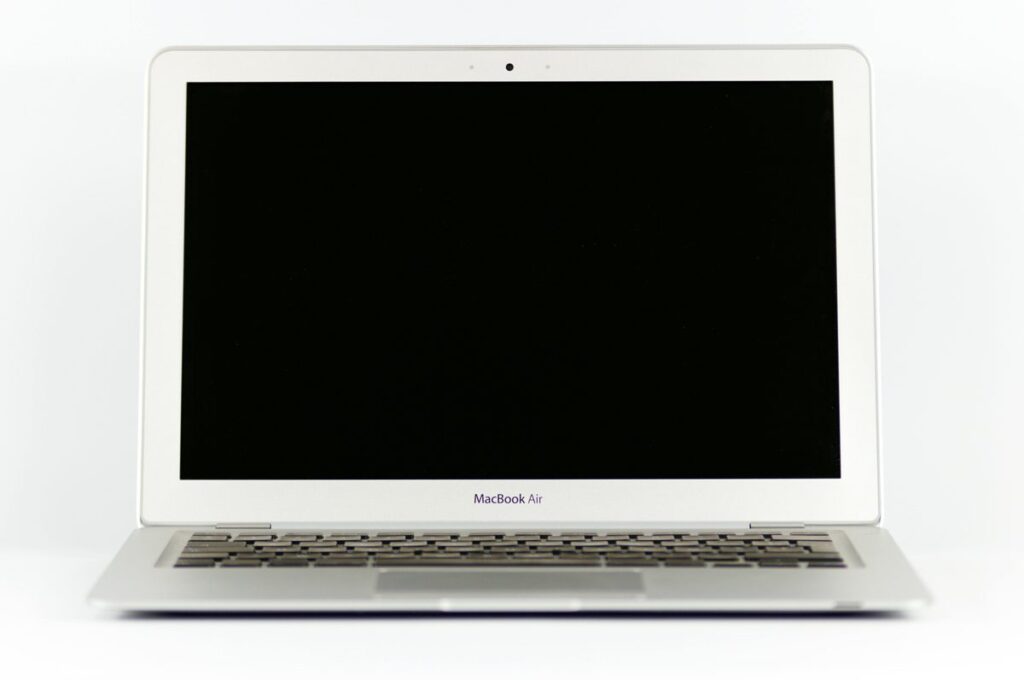
Table of Contents
The Pricing Paradox of Legacy Hardware
In a market where a base-model iPad now frequently exceeds $500, the appearance of a MacBook Air for under $200 creates a jarring price contrast. A current promotional window has seen 13-inch MacBook Air units listed at $199.97—a steep drop from the original $999 retail price. While the discount is eye-catching, the value proposition isn’t about cutting-edge performance, but rather about the utility of a physical keyboard and macOS in a budget-constrained environment.
The hardware in question is a legacy Intel-based machine, featuring a 1.8GHz Intel Core i5 processor and 8GB of RAM. For the modern user, this represents a significant departure from the current M-series architecture that defines Apple’s current lineup. To put this in perspective, the transition to Apple Silicon has rendered many Intel Macs obsolete in terms of thermal efficiency and raw speed. However, for basic productivity—word processing, light web browsing, and emails—the i5 remains functional, provided the user’s expectations are calibrated for 2017-era performance in a 2026 world.
Decoding the ‘Grade A/B’ Label
The $800 price haircut is not arbitrary; it is tied directly to the machine’s refurbished status. The units are listed as Grade A/B, a terminology common in the secondary electronics market. In practical terms, this means the device is fully operational but bears the physical scars of its previous life. Light scratches, minor dents, or scuffs on the aluminum chassis are expected.
For a buyer, the trade-off is simple: you sacrifice cosmetic perfection for a functional laptop that costs less than a mid-range Android tablet. The 128GB SSD is modest by today’s standards, virtually requiring the use of iCloud or external storage for any significant media libraries. Yet, the 13.3-inch widescreen and the legendary portability of the Air chassis—weighing in at just 2.96 pounds—remain competitive even by modern standards.
Intel Air vs. The iPad Tablet
The most interesting comparison here isn’t between this Air and a new MacBook, but between this Air and a modern iPad. For $200, you are getting a full clamshell experience with a physical keyboard and a windowed operating system, something that Apple has spent years trying to mimic with iPadOS. While a modern iPad is vastly more powerful and possesses a superior screen, it still struggles with complex file management and multi-window multitasking—areas where even an aging MacBook Air excels.
However, there is a looming technical shadow: software support. As Apple continues to optimize macOS for its own ARM-based chips, Intel support is steadily receding. While the machine will boot and run apps, the window for receiving the latest macOS updates is closing. Users should be aware that they are buying into a sunsetting ecosystem.
The Verdict on the $199 Entry Point
Whether this deal makes sense depends entirely on the use case. As a primary machine for a creative professional or a student in a STEM field, it is insufficient. But as a ‘beater’ laptop for travel, a dedicated machine for writing, or a first computer for a child, the entry price is almost impossible to beat for the build quality provided.
The promotion is slated to run through March 22, contingent on available stock. For those who prioritize a physical keyboard and a reliable chassis over CPU benchmarks, this legacy Air offers a pragmatic alternative to the tablet-centric budget market.