The $200 MacBook Gambit: Why Refurbished Intel Airs Are Still Flooding the Budget Market
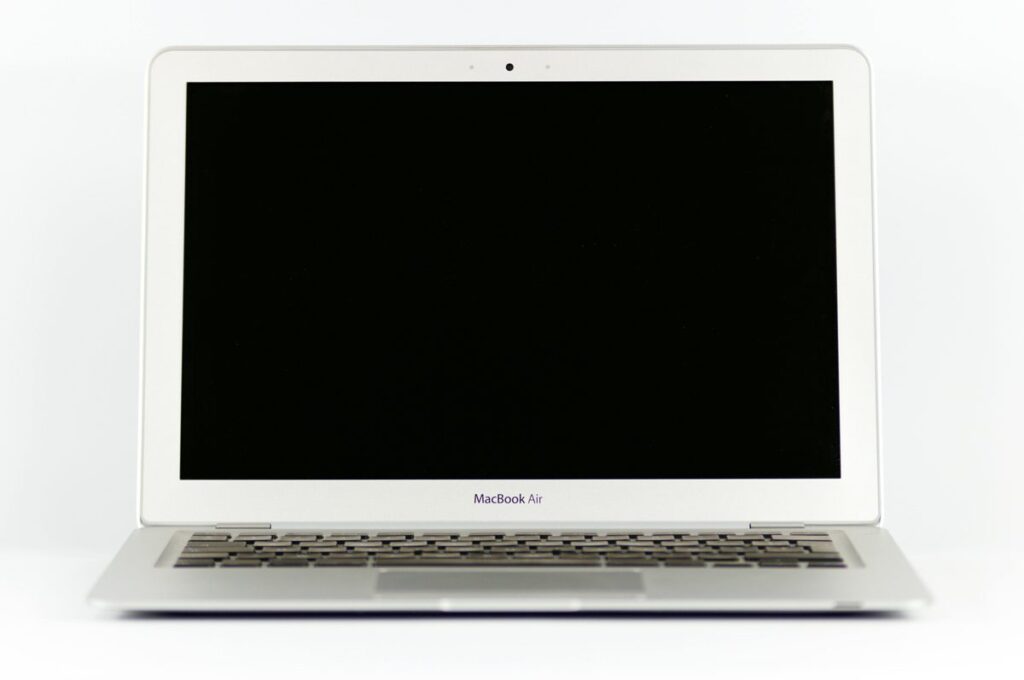
Table of Contents
The Pricing Paradox of Legacy Hardware
It is a jarring price point to see in a modern catalog: a MacBook Air for under $200. While Apple’s current marketing focuses on the raw efficiency of M-series silicon, a parallel market of deeply discounted, refurbished Intel-based machines continues to thrive. A current flash sale has pushed 13-inch MacBook Air models down to $199.97, a steep drop from the original $999 retail price, sparking a conversation about the actual utility of legacy macOS hardware in a cloud-centric era.
At first glance, the specs read like a time capsule. We are looking at a 1.8GHz Intel Core i5 processor paired with 8GB of RAM and a modest 128GB of flash storage. To the average consumer, these numbers might seem negligible compared to the unified memory architectures of the M3 or M4 chips. However, for a specific subset of users—students, writers, and those requiring a secondary ‘beater’ machine—the value proposition shifts from raw performance to basic utility.
Understanding the ‘Grade A/B’ Ecosystem
The primary driver behind this price collapse is the refurbished grading system. This particular batch is listed as Grade A/B, a designation that signals the hardware is fully operational but carries the aesthetic scars of previous ownership. In the industry, this typically means light scuffs on the chassis or minor keyboard wear—imperfections that don’t affect the logic board but slash the resale value by 80% or more.
For the buyer, the risk is largely cosmetic, but the technical reality is more complex. These machines rely on the Intel HD Graphics 6000, which is perfectly adequate for web browsing and document editing but will struggle with modern 4K video editing or heavy multitasking. The 12-hour battery life cited in the listing is a theoretical maximum; in real-world usage, older lithium-ion batteries in refurbished units often see a significant degradation in capacity, meaning users may find themselves tethered to a charger more often than the brochure suggests.
The Software Ceiling
The most critical consideration for anyone eyeing a $200 MacBook is not the hardware, but the software trajectory. Apple is aggressively transitioning its ecosystem away from Intel. While these machines can still run current versions of macOS, the window for official OS updates is narrowing. Eventually, Intel-based Airs will enter a ‘vintage’ or ‘obsolete’ status, limiting their access to the latest security patches and feature sets.
Despite this, the machine remains a formidable tool for those who prioritize a physical keyboard and a 13.3-inch widescreen over the versatility of an iPad. At $199, this laptop is cheaper than a base-model iPad (non-Air), yet it provides a full desktop browser and a native file system—capabilities that remain clunky on iPadOS even today.
Who is this actually for?
This isn’t a recommendation for a primary workstation or a professional creative. However, as a dedicated writing machine or a lightweight device for basic administrative tasks, the Intel MacBook Air remains a viable entry point into the Apple ecosystem. The trade-off is clear: you are sacrificing future-proofing and peak performance for an immediate, low-cost utility. As long as the buyer understands that they are purchasing a legacy device and not a modern powerhouse, the cost-to-benefit ratio is difficult to ignore.