The $200 MacBook Air: Navigating the Risks and Rewards of Deep-Discount Refurbished Hardware
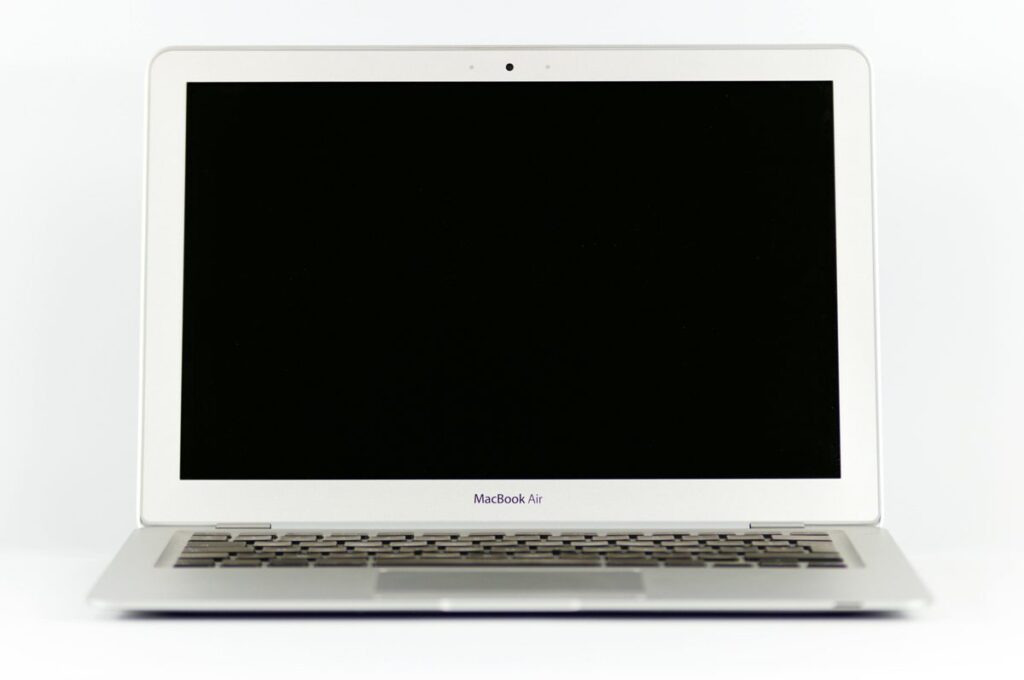
Table of Contents
The lure of the sub-$200 laptop
In a market where entry-level iPads often start at $350 and basic Chromebooks hover around $300, the appearance of a MacBook Air for $199.97 feels like a pricing glitch. On the surface, the proposition is simple: a full macOS experience for less than the cost of a mid-range tablet. However, for the uninitiated, a discount of 80% off the original $999 MSRP usually signals a specific set of trade-offs that go beyond just a few scratches on the chassis.
This specific deal, running through March 22, targets a niche of users who need a functional keyboard and a desktop-class browser without needing the horsepower of Apple’s modern silicon. But to understand if this is a bargain or a gamble, one has to look closely at the hardware architecture and the “Grade A/B” designation.
Intel Architecture in the Apple Silicon Era
The machine in question is powered by a 1.8GHz Intel Core i5 processor paired with 8GB of RAM. To put this in perspective, this hardware predates the revolution of the Apple M-series chips. While 8GB of RAM remains the baseline for basic multitasking, the Intel i5 in this chassis lacks the thermal efficiency and raw speed of the M1 or M2 chips found in newer Airs.
For a student writing essays in Google Docs, a freelancer managing a few spreadsheets, or someone who primarily uses a laptop as a glorified browser, these specs are sufficient. However, users attempting to run modern 4K video editing software or heavy IDEs will find the 128GB of local storage and the Intel HD Graphics 6000 to be significant bottlenecks. The 13.3-inch display remains a highlight, offering a level of color accuracy and build quality that is virtually non-existent in new Windows laptops at the $200 price point.
Decoding ‘Grade A/B’ Refurbished
The steep price drop is attributed to the unit’s refurbished status, specifically categorized as Grade A/B. In the secondary electronics market, this is a critical distinction. While “Grade A” typically implies a device is nearly indistinguishable from new, “Grade B” acknowledges the reality of a used life. This means the chassis may exhibit visible scuffs, light dents, or keyboard shine—the physical manifestation of years of typing.
The operational integrity is where the risk lies. While the seller guarantees the device is clean and functional, the most pressing concern for any Intel-based MacBook Air from this era is the battery. With a theoretical 12-hour battery life, the actual runtime of a refurbished unit depends entirely on the health of the lithium-ion cells. If the battery has undergone hundreds of charge cycles, that 12-hour window may shrink significantly, potentially turning a portable laptop into a “permanently plugged-in” desktop.
Who is this actually for?
There is a strong argument for this machine as a “beater” laptop—a device you can throw in a bag for coffee shop sessions or travel without the anxiety of stealing or damaging a $1,200 investment. It also serves as an ideal gateway for those who want to test the macOS ecosystem without committing to a high-end purchase.
However, for those whose workflow depends on the latest version of macOS or seamless integration with the newest AI-driven features Apple is baking into its software, this hardware may feel dated. The Intel Core i5 is increasingly being deprecated in newer software updates, meaning some future OS features may be unavailable to this specific model.
Ultimately, $199 is a low-risk entry point for a machine that still offers a premium keyboard and a high-quality trackpad. As long as the buyer accepts that they are purchasing a legacy tool rather than a modern powerhouse, the value proposition remains intact.