The $200 MacBook Air: Deciphering the Appeal of High-Grade Refurbished Hardware
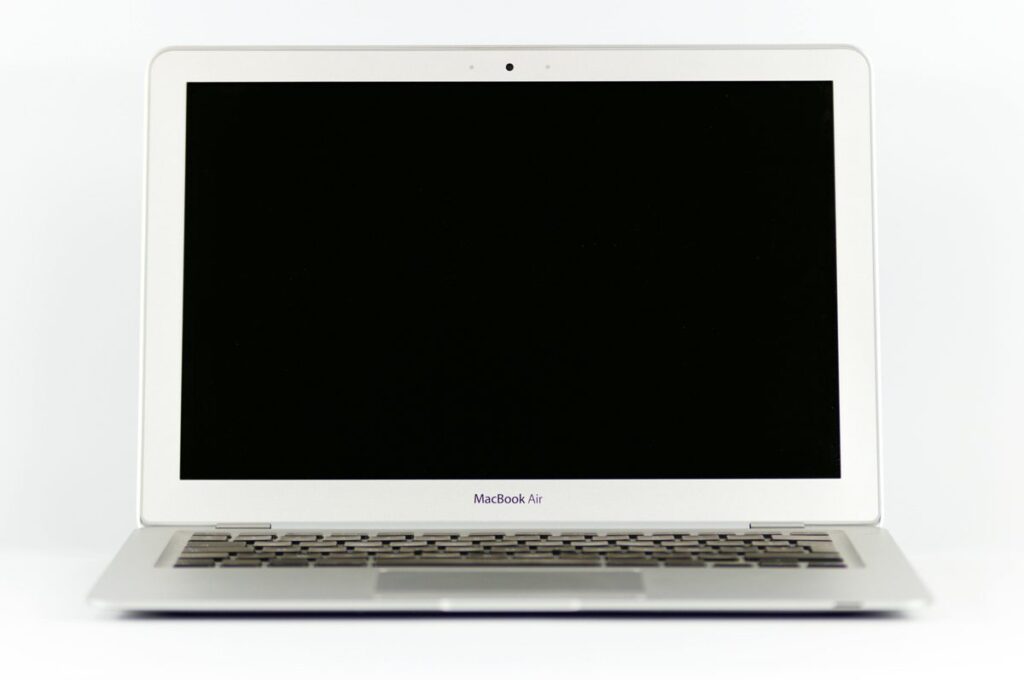
Table of Contents
The Return of the Budget Entry Point
In an era where entry-level MacBooks now frequently start near the thousand-dollar mark, the appearance of a functional 13-inch MacBook Air for $199.97 feels like a glitch in the current hardware economy. While the price tag is eye-catching, the reality of this deal lies in the nuance of the refurbished market—specifically the “Grade A/B” classification.
For most users, the attraction isn’t just the cost, but the form factor. At 2.96 pounds, the MacBook Air remains the gold standard for portability in the Apple ecosystem. However, this particular unit isn’t the M-series silicon powerhouse found in recent iterations. Instead, it’s a throwback to the Intel era, featuring a 1.8GHz Intel Core i5 processor and 8GB of RAM.
Understanding the ‘Grade A/B’ Trade-off
The $800 discount from the original $999 MSRP is not a random promotion but a reflection of the machine’s physical and generational status. In the refurbishment industry, a Grade A/B rating typically signifies that while the internal components are fully operational and have passed diagnostic testing, the chassis tells a story. Potential buyers should expect the usual suspects: light scuffs on the aluminum casing, minor dents on the corners, or slight keyboard wear.
From a technical standpoint, the 128GB of onboard storage is the most significant bottleneck. In a modern workflow dominated by cloud storage and heavy browser-based applications, 128GB is lean. Users will likely find themselves relying heavily on iCloud or external SSDs to manage their libraries. Despite this, the 13.3-inch widescreen and Intel HD Graphics 6000 remain sufficient for basic document editing, web browsing, and light media consumption.
Performance in a Post-Apple Silicon World
The core question for any buyer is whether an Intel-based MacBook Air is still viable in 2026. The shift to Apple Silicon (M1, M2, M3) fundamentally changed expectations for battery life and thermal management. While this model boasts a 12-hour battery life on paper, real-world usage with modern, resource-heavy websites often results in shorter durations than the original marketing promised.
However, for a specific subset of users—students on a strict budget, writers who need a distraction-free machine, or those needing a secondary “beater” laptop for travel—the value proposition is hard to ignore. When a device costs less than a base-model iPad, the addition of a physical keyboard and a full desktop operating system (macOS) provides a utility that a tablet cannot replicate, regardless of the hardware’s age.
The Practical Verdict
This offer, running through March 22, serves as a reminder that there is still a place for the “utility laptop.” It is not a machine for video editing or heavy multitasking, but it is an operational gateway into the macOS ecosystem for under $200.
For those considering the purchase, the priority should be on the intended use case. If the goal is a primary workstation, the storage and processor limitations will be frustrating. But as a lightweight, portable tool for basic productivity, the MacBook Air’s chassis and keyboard remain superior to almost any new Windows laptop found at the $200 price point.