Texas Measles Data Reveals Severe Hospitalization Rates as U.S. Nears Loss of Elimination Status
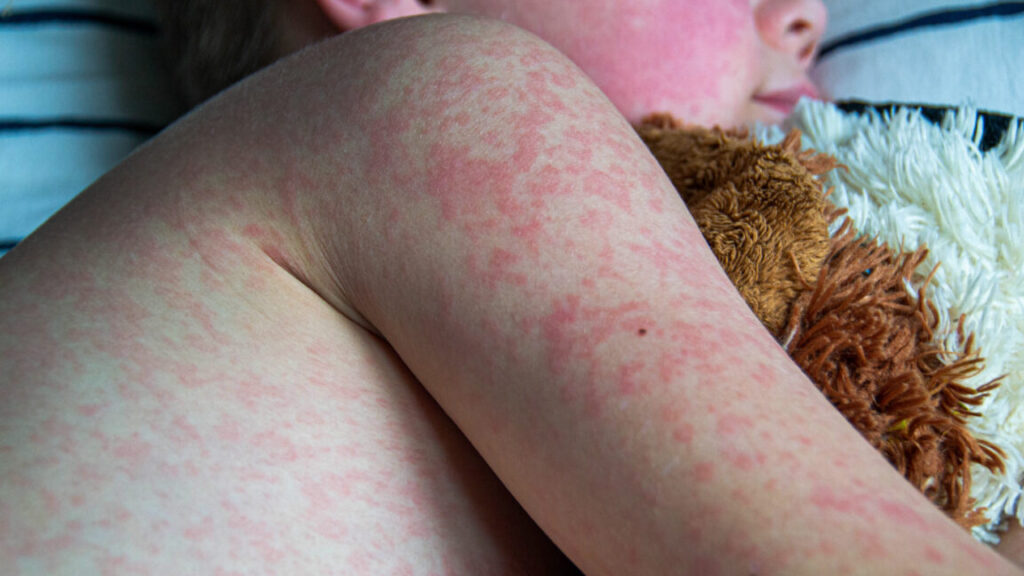
Table of Contents
The Data Behind the Rash
For years, a growing contingent of vaccine skeptics and high-profile public figures have attempted to rebrand measles as a benign childhood illness, often dismissing it as “just a rash.” However, a rigorous postmortem of a massive multi-state outbreak originating in West Texas is providing a stark, data-driven rebuttal to that narrative. According to a study published in the Morbidity and Mortality Weekly Report (MMWR), the virus remains a potent threat to respiratory and systemic health, with nearly one in five infected patients requiring hospitalization.
The analysis focused on a critical window of the outbreak between January 20 and March 18, 2025. Of the 325 cases examined during this period, 60 individuals—approximately 18.5%—were hospitalized. The findings are particularly damning for the argument that only those with pre-existing conditions are at risk; of the 54 patients whose full medical records were available for review, none were immunocompromised, and only six had underlying medical conditions that might have increased their vulnerability.
A Pediatric Crisis
The demographic breakdown of the hospitalized patients highlights a significant failure in routine vaccination coverage. The vast majority of those admitted to hospitals were children: 56% were between newborn and 4 years old, while another 35% were between 5 and 17. All 54 of the analyzed hospitalized patients had no record of vaccination.
The clinical outcomes were severe. Approximately 87% of the hospitalized group developed secondary complications. Pneumonia was the most prevalent, affecting 72% of patients, followed by dehydration at 46% and diarrhea at 39%. The impact on respiratory function was widespread, with 70.4% of patients requiring supplemental oxygen and 68.5% experiencing hypoxia—a condition where oxygen levels in the blood drop too low to support vital organ function.
The most acute cases were concentrated in pediatric intensive care units. Four children required ICU admission, and two were subjected to intubation and mechanical ventilation. One child died during the study’s timeframe, though a second pediatric death was recorded later in the wider Texas outbreak.
Maternal and Neonatal Risks
The reporting also underscores the danger posed to pregnant women. Of the five adults hospitalized, four were in their third trimester. Two of these women gave birth during their hospitalizations, and both infants were diagnosed with active measles cases. In one instance, an infant subsequently developed symptoms suggesting acute measles meningoencephalitis, requiring separate hospitalization weeks later.
The Erosion of Elimination Status
These findings arrive at a precarious moment for U.S. public health. Since 2000, the United States had largely maintained a status of measles elimination, a feat achieved through aggressive, wide-scale vaccination campaigns. However, that progress is currently reversing. In 2025, the U.S. recorded 2,288 measles cases, the highest annual total since 1991.
The trajectory for 2026 is even more concerning. As of May 28, 1,983 confirmed cases have already been reported across 40 jurisdictions, with 30 new outbreaks identified since the start of the year. Based on current numbers, the U.S. is on a direct path toward losing its official measles elimination status, as the virus finds fertile ground in pockets of unvaccinated populations.
The authors of the MMWR report conclude that the Texas data serves as a critical reminder that while some cases may appear mild, the systemic stress measles places on the human body and the healthcare infrastructure remains substantial. The high rate of pneumonia and ICU admissions suggests that the “mild illness” narrative is not supported by clinical reality.