Tesla’s Legal Shield Fails in California Racial Discrimination Case
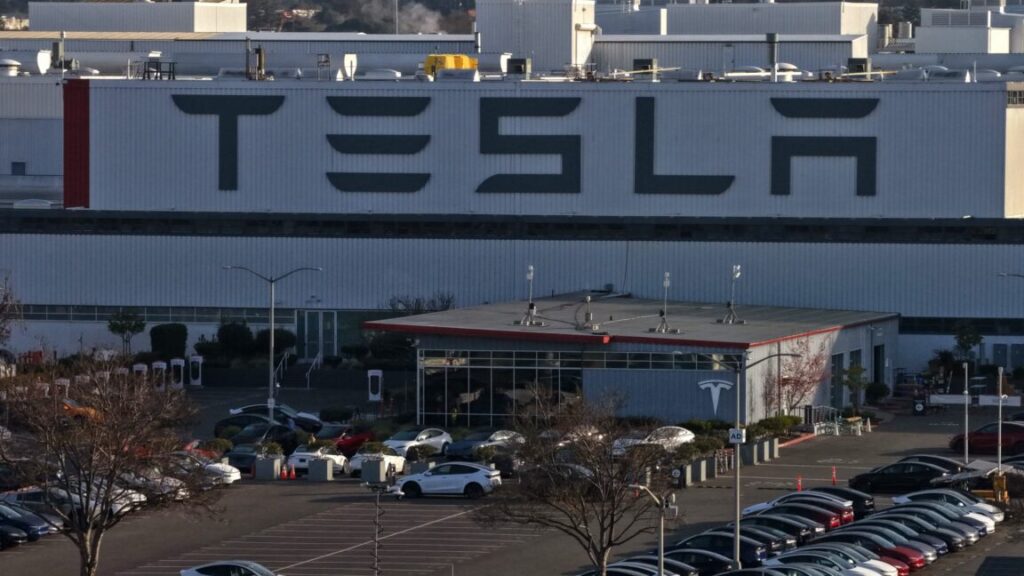
Table of Contents
The Legal Barrier Collapses
Tesla is heading to trial. In a significant blow to the electric vehicle giant, the Alameda County Superior Court has dismissed Tesla’s motion for summary judgment, refusing to throw out a sprawling lawsuit filed by the California Civil Rights Department (CRD). The ruling effectively clears the path for a legal battle centered on allegations of systemic racial discrimination and harassment at Tesla’s Fremont assembly plant.
The lawsuit, which follows a three-year investigation by the state agency, alleges that Tesla fostered a work environment where Black employees were subjected to pervasive racial slurs and segregated into the most labor-intensive roles. Perhaps most damning are the claims that the Fremont factory was referred to by some workers and supervisors as the “plantation,” with Black employees described as “slaves.”
Kevin Kish, Director of the CRD, didn’t mince words following the ruling, stating that Tesla’s employment practices remain “rooted in some of the ugliest relics of the past.” According to Kish, the state is seeking not only financial damages for affected workers but also injunctive relief to force a systemic overhaul of how the company manages its diverse workforce.
A Statistical Failure in the Courtroom
The ruling by Superior Court Judge Peter Borkon highlights a critical failure in Tesla’s defense strategy: a lack of concrete, undisputed data. Tesla attempted to argue that the state had no evidence of a pattern of discrimination, but Borkon noted that Tesla failed to provide its own expert statistical testimony to debunk the claims.
While Tesla presented data on the racial demographics of its current staff, the judge pointed out a glaring omission: the company provided no statistical information regarding the applicant pool, pay scales, promotion rates, or disciplinary actions. In a legal setting, simply stating that a plaintiff lacks evidence is not the same as proving the evidence doesn’t exist. By failing to produce counter-data, Tesla left the door open for the CRD’s allegations to stand.
The most striking detail in Borkon’s analysis concerns the use of racial slurs. The judge noted that of the 240 declarations submitted by plaintiffs, every single one reported hearing the n-word at the Fremont factory. Even Tesla’s own evidence seemed to inadvertently support the claim; of 228 declarations submitted by the company, 99 admitted to hearing the slur. While Tesla likely viewed these numbers as a small percentage of its 12,000 Black workers, the court viewed them as a confirmation of a hostile environment.
Corporate Policy vs. Workplace Reality
Tesla’s defense leaned heavily on its written handbooks, arguing that its formal anti-harassment policies and orientation programs proved there was no systemic pattern of abuse. However, Judge Borkon rejected the notion that a corporate PDF is a shield against liability.
The judge wrote that the mere existence of written policies is insufficient to establish that no harassment occurred. The legal question now shifts from whether Tesla had a policy against racism to whether the company was aware of the actual environment on the factory floor and failed to take appropriate action.
This distinction is pivotal. The court is not requiring the CRD to prove that Tesla executives consciously conspired to create a racist environment, but rather that a pattern of harassment existed and the company—despite being on notice—did not stop it.
The Road to July 20
The case is now set for trial on July 20. While the judge did grant a partial request to block claims dating back before June 18, 2018, based on the statute of limitations, the bulk of the allegations from the last six years remain on the table.
For Tesla, this is more than a financial risk. The company has spent years cultivating an image of a futuristic, meritocratic disruptor. A public trial featuring testimony about a “plantation” atmosphere at its primary California plant threatens to dismantle that brand narrative, potentially impacting recruitment and investor perception of Elon Musk’s corporate governance.


