Telco Giants Shift Strategy Toward ‘Sovereign Security’ as Infrastructure Attacks Spike
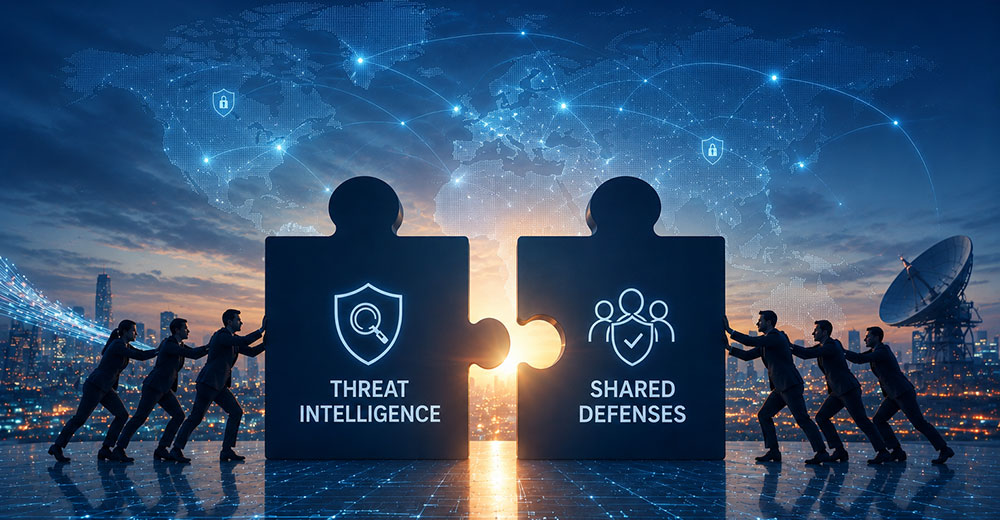
Table of Contents
The End of the ‘Outsourced’ Era
For years, the prevailing wisdom among global telecommunications providers was to treat cybersecurity as a plug-and-play utility. By licensing high-end firewalls and threat-detection software from a handful of dominant security vendors, telcos essentially outsourced their digital perimeter. However, a string of high-profile breaches targeting the core signaling protocols of mobile networks has forced a dramatic pivot. The industry is now moving toward what insiders are calling ‘sovereign security’—a model where security is baked into the hardware and orchestration layers rather than layered on top as an afterthought.
This shift is largely a reaction to the evolving nature of the threat. We are no longer dealing with opportunistic ransomware actors; we are seeing highly coordinated campaigns targeting the 5G core and the Diameter signaling protocol. When an attacker gains access to the signaling layer, they don’t just steal data—they can intercept SMS messages, track user locations in real-time, and potentially disrupt emergency services across entire regions.
Moving Beyond the Perimeter
The traditional ‘castle-and-moat’ approach to network security is effectively dead. As networks transition to Open RAN (Radio Access Network) and cloud-native architectures, the attack surface has expanded exponentially. Every new API endpoint and virtualized network function represents a potential entry point for a sophisticated actor.
In response, heavyweights in the sector are aggressively implementing Zero Trust Architecture (ZTA). This means that no single element of the network—regardless of whether it is inside the corporate firewall—is trusted by default. Every request for access to the network core must be continuously authenticated and authorized. This granular control prevents the ‘lateral movement’ that allowed the 2021 T-Mobile breach to scale so rapidly across various internal systems.
The Convergence of AI and Automated Defense
The sheer volume of telemetry data generated by a modern 5G network is beyond human capacity to monitor. Telcos are now deploying AI-driven Security Operations Centers (SOCs) that utilize machine learning to establish a ‘behavioral baseline’ for network traffic. When the system detects a deviation—such as a sudden spike in signaling traffic from a dormant node in an unexpected geography—it can trigger an automated isolation protocol in milliseconds, long before a human analyst could even open the alert.
However, this creates a new arms race. Threat actors are leveraging the same LLM-based tools to craft more convincing social engineering attacks against network engineers or to generate polymorphic malware that can evade the very AI defenses telcos are installing.
The Geopolitical Pressure Cooker
Security is no longer just a technical hurdle; it is a geopolitical instrument. The ongoing friction regarding the use of Huawei and ZTE equipment in Western networks highlighted a fundamental truth: the hardware layer is the ultimate trust boundary. The push for ‘trusted vendors’ has led to a fragmentation of the global supply chain, forcing operators to balance cost-efficiency against national security mandates.
We are seeing an increase in ‘security alliances’ where telcos share real-time threat intelligence through platforms like the GSMA’s security initiatives. By pooling data on emerging attack patterns, these companies can immunize the rest of the network before a specific exploit becomes widespread. This collective defense is the only way to counter state-sponsored groups that possess the resources to spend months probing a single vulnerability.
As telcos transition from being simple ‘bit pipes’ to integrated digital service providers, their role as a critical utility makes them the primary target. The transition to sovereign security is not a choice—it is a requirement for survival in an era of permanent cyber-conflict.


