Tehran Threatens to Walk Away from US Ceasefire Talks as Israeli Offensive Deepens in Lebanon
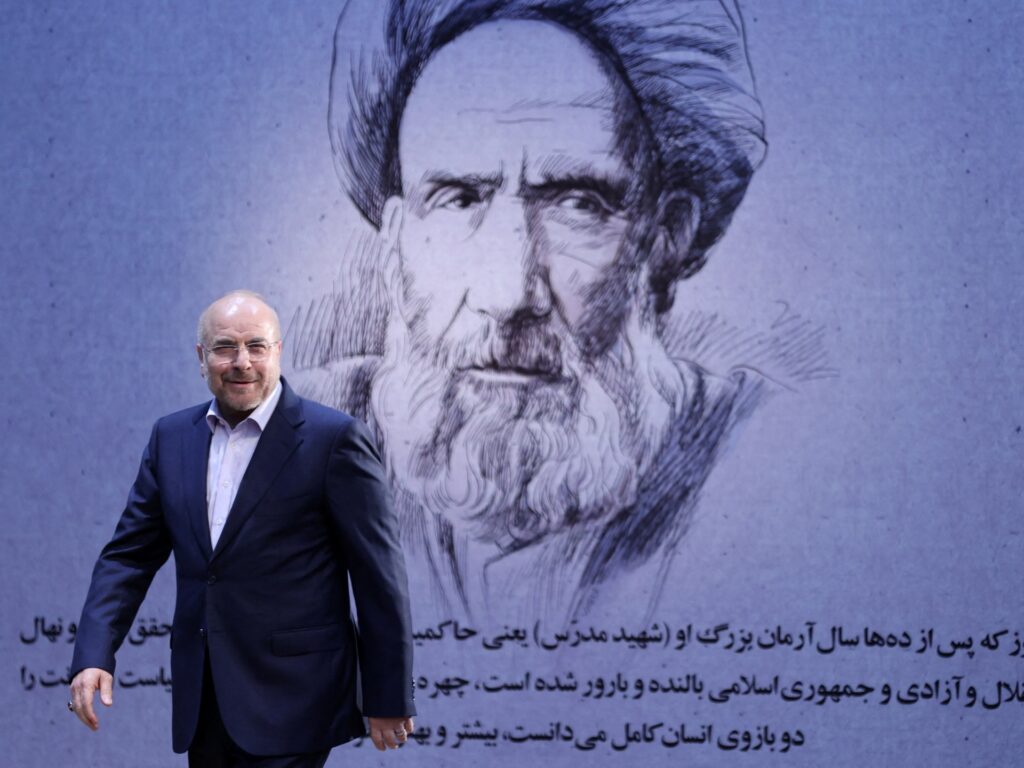
Table of Contents
A Fragile Diplomacy Under Fire
The delicate machinery of diplomacy between Tehran and Washington is facing a critical malfunction. Iranian officials have issued a stark warning that Israel’s deepening military operations in southern Lebanon and ongoing hostilities in Gaza are actively dismantling the foundations of a proposed ceasefire with the United States. The tension reached a breaking point this week as Tehran signaled a willingness to freeze diplomatic channels unless a comprehensive cessation of hostilities is achieved across all regional fronts.
Foreign Minister Abbas Araghchi asserted on Monday that the current ceasefire is not a fragmented agreement but a holistic one. In a series of social media posts, Araghchi argued that the US-backed ceasefire is effectively void if violations occur in Lebanon, stating that “its violation on one front is a violation of the ceasefire on all fronts.” This perspective places the burden of consequence directly on Washington and Tel Aviv, suggesting that the US cannot decouple its bilateral arrangement with Iran from Israel’s regional tactical maneuvers.
The Breakdown of Communication
The friction has moved beyond rhetoric. According to reports from the Tasnim news agency—widely regarded as a mouthpiece for the Islamic Revolutionary Guard Corps (IRGC)—Tehran has suspended the exchange of text messages with US counterparts via mediators. This operational freeze is a significant escalation in the diplomatic stalemate, indicating that Iranian negotiators are no longer willing to maintain the facade of progress while Israeli ground forces reach their deepest penetration into Lebanese territory in 26 years.
Iranian Parliament Speaker Mohammad Bagher Ghalibaf mirrored this sentiment, citing the naval blockade of Iranian ports and the escalation of strikes in Lebanon as definitive proof of US noncompliance. Ghalibaf’s warning that “every choice has a price” underscores a growing impatience in Tehran, which views the US strategy of separating the Lebanon-Hezbollah conflict from the broader Iran-US dialogue as a tactical error.
Trump’s Unconventional Intervention
Amidst the volatility, US President Donald Trump has attempted to play the role of the primary arbiter, claiming direct intervention to halt the momentum of the Israeli advance. In a series of posts on Truth Social, Trump asserted that a productive call with Prime Minister Benjamin Netanyahu resulted in a guarantee that Israeli troops would not enter Beirut.
More controversially, Trump claimed to have secured an agreement from Hezbollah—a group designated as a foreign terrorist organization by the US—to cease all firing. While the White House has not provided the specifics of these “highly placed representatives,” such a direct line of communication would mark a historic first for a sitting US president, potentially bypassing traditional diplomatic protocols and the State Department’s established frameworks.
The Strategic Red Line
The IRGC is not relying solely on diplomatic freezes. State media reports indicate that the IRGC’s intelligence organization has threatened to open “new fronts” and maintain the closure of the Strait of Hormuz—a critical global chokepoint for oil shipments—should Israeli military actions continue. By framing the incursions in Lebanon and Gaza as “direct war,” Iran is signaling that it may shift from proxy skirmishes to more assertive state-level confrontation.
While President Trump has urged critics to “sit back and relax,” claiming that Iran “wants to make a deal,” the reality on the ground suggests a widening gap. The Israeli military’s recent forced displacement orders for residents of the Dahiye suburbs in southern Beirut stand in stark contrast to the optimistic narrative emanating from the US presidency. As Tehran demands a complete Israeli withdrawal from occupied Lebanese areas as a prerequisite for resuming talks, the window for a negotiated settlement continues to narrow.