TechCrunch Disrupt 2026 Opens Call for Speakers as SF Returns to the Epicenter of AI and Robotics
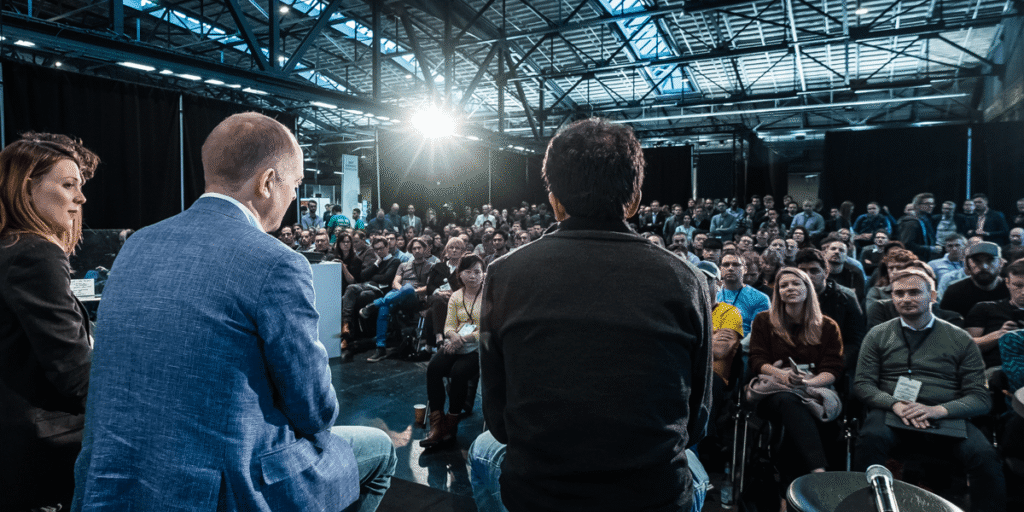
Table of Contents
The Return to Moscone West
San Francisco is bracing for another collision of venture capital and raw innovation as TechCrunch Disrupt 2026 prepares its descent on the city. Scheduled for October 13–15 at Moscone West, the event remains one of the few remaining benchmarks for startup visibility in an era where the ‘hype cycle’ moves faster than the physical logistics of a conference.
The clock is officially ticking for those hoping to secure a spot on the roster. Applications to speak at the event close tonight at 11:59 p.m. PT, marking the final window for founders, operators, and investors to pitch their perspectives to the Disrupt editorial board.
Beyond the Keynote: A Shift Toward Interaction
While the main stage often captures the headlines, the 2026 iteration of Disrupt is placing a heavier emphasis on high-density, high-impact knowledge exchange. The organizers have bifurcated the speaking opportunities into two distinct formats, moving away from the traditional, static lecture style that has plagued many industry gatherings.
The Breakout Sessions are designed for a more structured deep dive. These 30-minute slots allow for a panel of up to four speakers and a moderator, though the real value is tucked into the final 20 minutes of audience Q&A. With a capped capacity of 100 attendees, these sessions are intended to foster a level of intimacy and scrutiny that is usually lost in larger halls.
More radical is the Roundtable format. These are 30-minute, speaker-led discussions stripped of all AV equipment—no slides, no polished decks, and no pre-recorded demos. Limited to 40 participants, the Roundtables are an intentional play to return to the ‘unfiltered’ nature of early Silicon Valley, prioritizing raw insight and peer-to-peer debate over corporate branding.
Curating the Next Wave of Tech
The selection process for Disrupt 2026 is notably more democratic than the curated ‘top-down’ lists of the past. After the editorial team reviews the initial applications, finalists will be put to a public vote. This Audience Choice mechanism allows the TechCrunch readership to effectively crowdsource the most relevant topics, ensuring the schedule reflects the actual interests of the 10,000+ startup and VC leaders expected to attend.
The thematic focus for the coming year is unsurprisingly dominated by the infrastructure layer of Artificial Intelligence, but the scope is widening. Organizers are specifically seeking expertise in scaling bottlenecks, the evolution of fintech, robotics, and the shifting dynamics of infrastructure. As the industry moves from the ‘discovery’ phase of generative AI into the ‘implementation’ phase, the demand for actionable, real-world experience over theoretical speculation has never been higher.
The Stakes of the Stage
For a seed-stage founder or a niche technology expert, a speaking slot at Disrupt is more than just a line on a resume; it is a strategic move for visibility. In a market where capital is more discerning and ‘AI-wrapper’ startups are being scrutinized, the ability to demonstrate deep technical authority in front of a concentrated group of investors can be the difference between a successful bridge round and a pivot.
Those looking to apply must submit their credentials and proposed session topics before the midnight deadline. The call for content emphasizes a need for “actionable insights,” signaling that the editorial team is looking for case studies and hard-won lessons rather than polished marketing pitches.


