The AI Bug-Hunt: Linus Torvalds Warns of a New Era of Linux Vulnerabilities
Linux kernel maintainers are seeing a surge in AI-discovered vulnerabilities, changing how the community handles security patches and disclosure.
Linux kernel maintainers are seeing a surge in AI-discovered vulnerabilities, changing how the community handles security patches and disclosure.
Linux kernel maintainers are facing a surge in AI-detected security holes. From Dirty Frag to Fragnesia, discover how AI is changing the exploit timeline.

Developers at Earendil are seeing a surge in low-quality, AI-generated issue reports for the Pi project, highlighting a growing tension between LLM productivity and software stability.
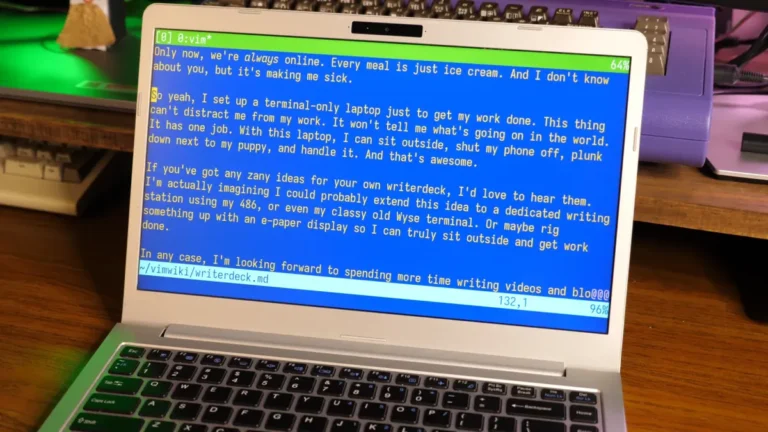
Exploring the trend of converting old hardware into 'Writerdecks'—dedicated, distraction-free writing devices using Debian and Neovim.
Linus Torvalds and security experts warn that AI tools are accelerating the discovery of Linux kernel bugs, shrinking the window between exploit and patch.
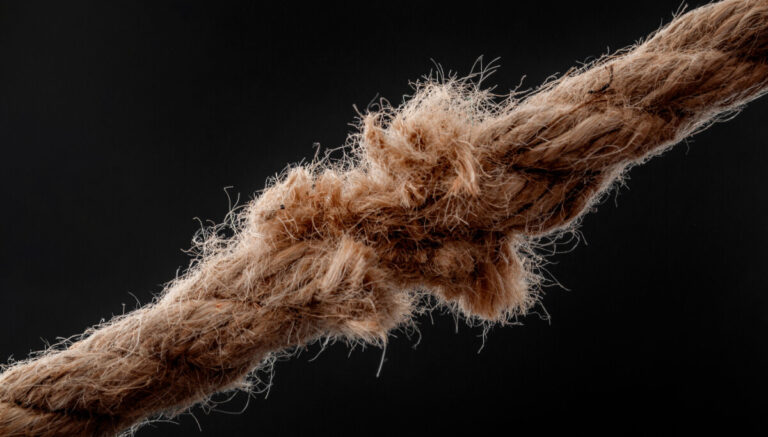
Linus Torvalds and security experts discuss how AI is accelerating the discovery of Linux kernel bugs and shrinking the window between vulnerability and exploit.

Microsoft has officially open-sourced the 6502 BASIC interpreter, the foundational code that powered the Commodore PET, VIC-20, and Commodore 64.
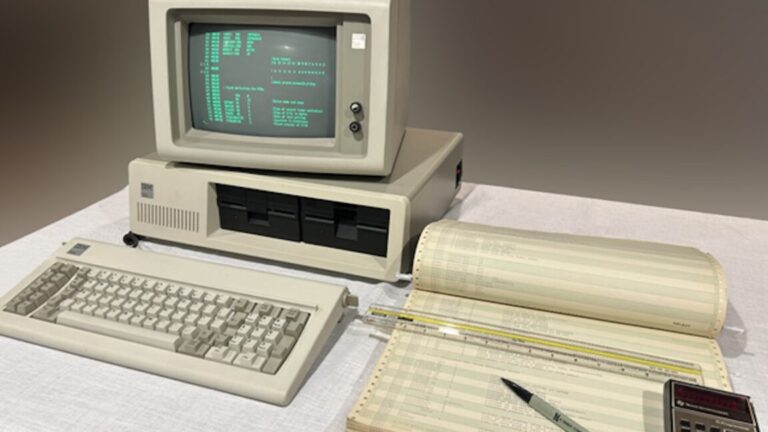
Microsoft has released the earliest discovered source code for 86-DOS, the precursor to MS-DOS, painstakingly recovered from original paper printouts.
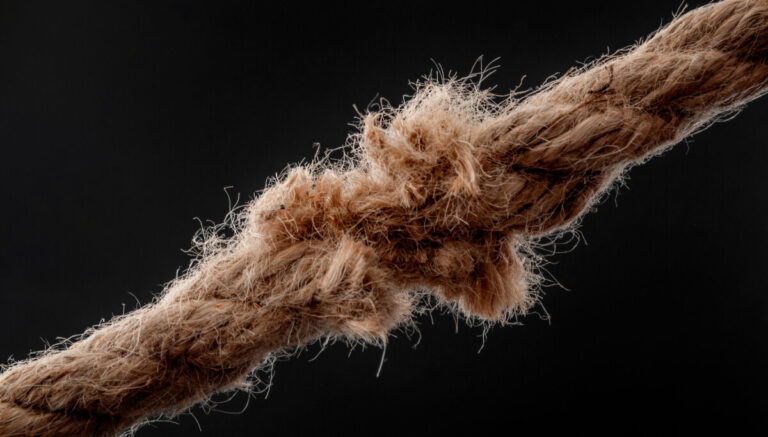
Linus Torvalds and kernel maintainers address the rise of AI-discovered security holes like Dirty Frag and Fragnesia, signaling a shift in how open-source software is patched.

Developer Andrew Warkentin has released the Virtual OS Museum, a comprehensive collection of over 600 historic operating systems and the emulators needed to run them.