
Netflix Engineer Open-Sources ‘Project Headroom’ to Combat Bloated AI Token Costs
Tejas Chopra, a senior engineer at Netflix, has released Project Headroom, an open-source proxy designed to compress redundant AI tokens and reduce LLM API bills.
Tejas Chopra, a senior engineer at Netflix, has released Project Headroom, an open-source proxy designed to compress redundant AI tokens and reduce LLM API bills.

Tejas Chopra's Project Headroom aims to slash LLM costs by pruning redundant data and optimizing context windows, saving users hundreds of thousands in API fees.

As streaming costs climb and content fragmentation increases, users are returning to self-hosted media servers. We analyze the top platforms: Plex, Emby, and Jellyfin.

Tejas Chopra's Project Headroom aims to reduce LLM bills by up to 90% by pruning redundant tokens and optimizing KV cache efficiency.
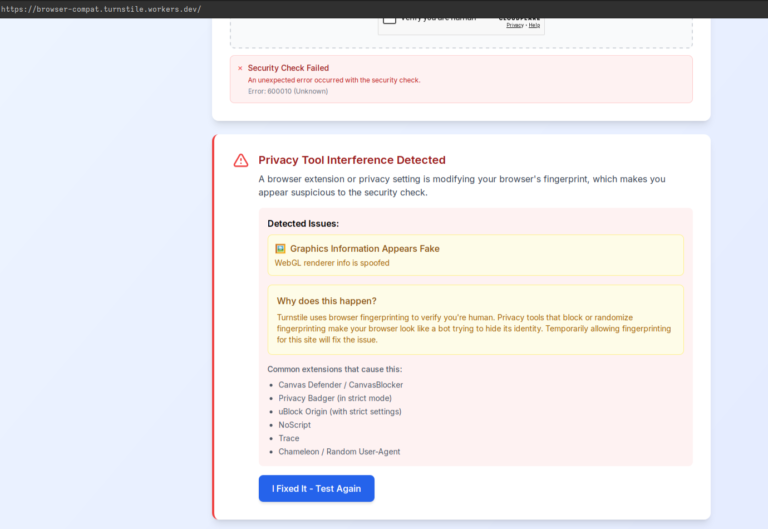
Cloudflare's 'Verify you are human' Turnstile is causing infinite loops for WebKitGTK and privacy-hardened browsers by mandating WebGL fingerprinting.

As KDE Plasma and other Linux environments move toward a Wayland-only future, users relying on advanced input accessibility tools like Talon face a critical loss of system access.

As streaming costs rise and content libraries fragment, home media servers offer a way to reclaim digital ownership. We analyze the top platforms for 2024.

Zig founder Andrew Kelley discusses his refusal to use AI coding tools, the move to Codeberg, and why the language remains in pre-1.0 status after 11 years.

A developer for the jqwik testing engine added a hidden 'data-nuking' prompt injection to sabotage AI coding agents, sparking a fierce debate over ethics in open source.

Zig creator Andrew Kelley discusses his rejection of AI-driven 'vibe coding,' the migration to Codeberg, and why Zig 1.0 remains an elusive, perfectionist goal.