
Science
Huawei Proposes ‘Tau Scaling Law’ to Break the Physical Ceiling of Moore’s Law
Huawei is challenging the traditional Moore's Law with a new 'Tau Scaling' framework, aiming to sustain computational growth as 2nm nodes hit physical limits.
Huawei is challenging the traditional Moore's Law with a new 'Tau Scaling' framework, aiming to sustain computational growth as 2nm nodes hit physical limits.
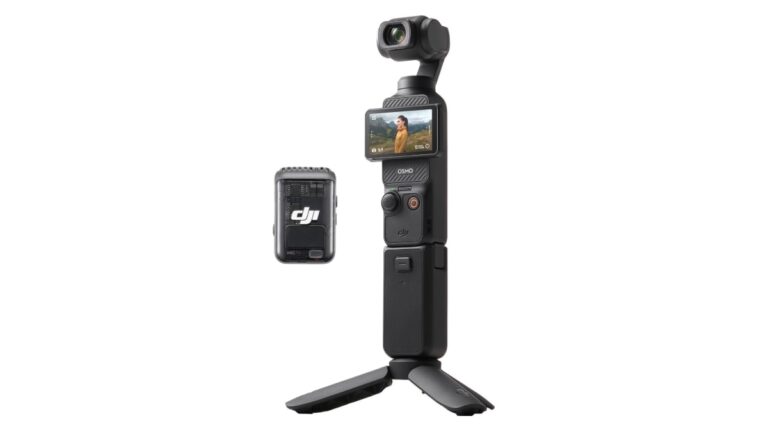
Leaked renders and accessory bundles for the DJI Osmo Pocket 4 suggest a high-end Pro variant and significant upgrades to frame rates and sensor capabilities.

DJI launches the Osmo Pocket 4, featuring a massive 1-inch CMOS sensor and improved gimbal stabilization to challenge the vlogging market.

From Vivo's Y600 Turbo to Oppo's A6c, the Indian budget smartphone market is seeing a massive shift toward 'monster batteries' as brands compete for endurance dominance.

Analyzing the current saturation of the mid-range mobile market, from the Motorola Edge 70 Pro's leaked benchmarks to the aggressive pricing of the Realme and Redmi series.

Nvidia is aggressively funding photonics technology, committing $6.5 billion to bypass the energy and heat limitations of copper-based electrical data transfer in AI clusters.

While TSMC dominates the 3nm race, GlobalFoundries, UMC, and SMIC are strategically scaling the 'trailing-edge' nodes that power the global automotive and industrial sectors.

We pitted a seven-year-old Microsoft Surface Laptop 3 against 2026's latest AI PCs to see if modern hardware upgrades actually translate to real-world speed.

Acer expands its ARM-based lineup at Computex 2026, introducing the budget-friendly Aspire Go 15 and the high-end Swift Spin 14 AI with Qualcomm Snapdragon chips.

Qualcomm's Snapdragon C and Intel's Wildcat Lake are bringing high-efficiency, low-cost Windows laptops back to the market to challenge Apple's entry-level offerings.