Surprising Shift: Xi Promises ‘Wider’ Market Access for Musk and Cook in 2025
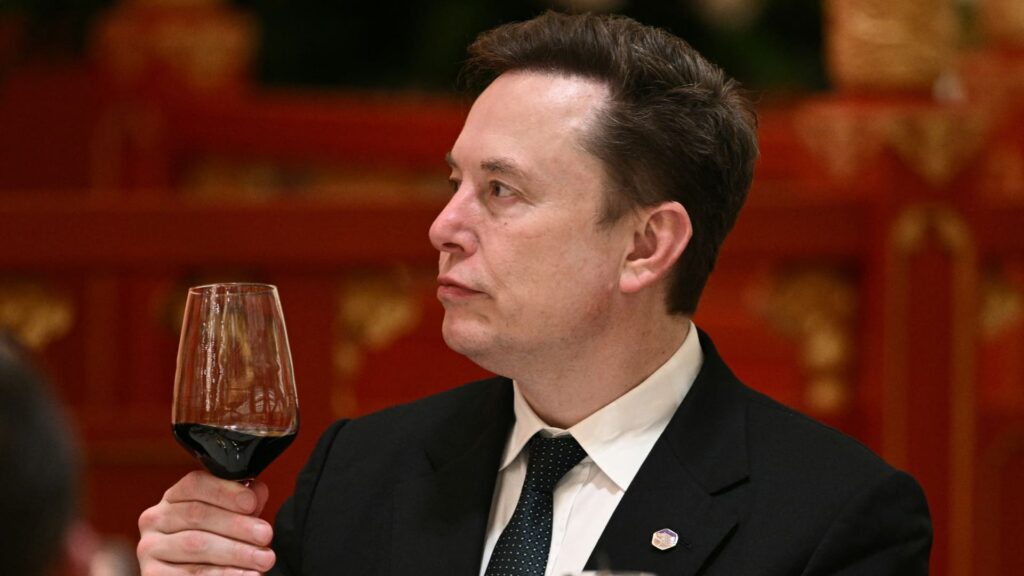
Table of Contents
In a high-stakes diplomatic maneuver that could reshape global trade, Chinese President Xi Jinping has assured a delegation of elite American business leaders that China is prepared to “open wider” its doors to foreign investment. The announcement came during a pivotal visit by President Donald Trump to Beijing, signaling a potential thaw in the frost-bitten relations between the world’s two largest economies.
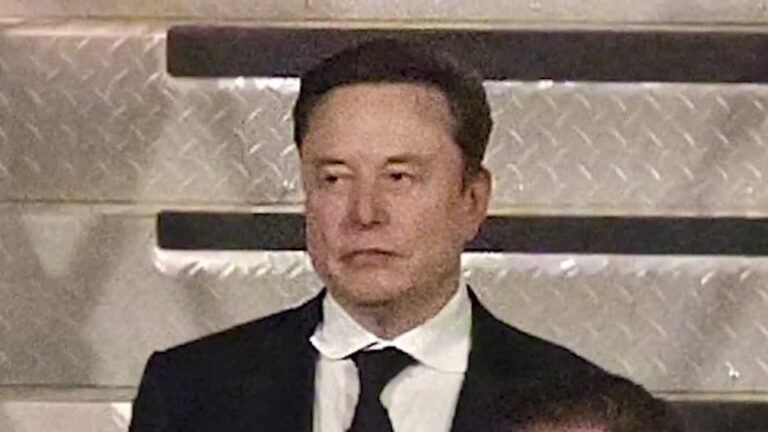
- Key Figures Present: Elon Musk (Tesla/SpaceX), Tim Cook (Apple), and Jensen Huang (Nvidia).
- Core Objective: Enhancing mutual economic cooperation and expanding market access.
- Strategic Focus: Artificial Intelligence (AI) safety and semiconductor trade.
- Official Stance: China aims to remain attractive for high-tech foreign capital.
A Strategic Olive Branch to Silicon Valley
The presence of tech titans like Elon Musk and Tim Cook alongside President Trump underscores the immense weight the US private sector places on the Chinese consumer market. According to reports from the state-backed Xinhua news agency, President Xi emphasized that US companies are deeply integrated into China’s reform process, noting that this symbiotic relationship has historically benefited both nations.
By personally introducing these executives to the leadership, Trump signaled a pragmatic approach to trade. The White House further corroborated this sentiment via X, stating that the discussions centered on expanding market access for American firms while simultaneously encouraging increased Chinese investment within the US. This dual-track approach aims to reduce friction and foster a more predictable trading environment.
The Semiconductor Standoff and Nvidia’s Role
While the rhetoric was welcoming, the underlying tension regarding advanced technology remains. A central point of contention is the export of high-end semiconductors. Recent reports from Reuters suggest that Washington may have granted Nvidia the green light to supply the H200—one of its most advanced chips—to specific Chinese tech firms.
However, this remains a point of ambiguity. US Treasury Secretary Scott Bessent told CNBC that he was unaware of a formal decision, deferring the matter to the Commerce Department. This uncertainty highlights the delicate balance between national security concerns and the commercial interests of Jensen Huang’s company. Huang, who described the Beijing summit as “one of the most important in human history,” avoided specifics on chip sales but praised the uplifting atmosphere created by both Trump and Xi.
Why This Pivot Matters for Global AI
Beyond hardware, the summit addressed the existential risks of Artificial Intelligence. The two superpowers are reportedly collaborating on a safety protocol to establish “best practices” for AI development. The primary goal is to ensure that powerful AI models do not fall into the hands of non-state actors, which could lead to global instability.
As China continues to develop domestic alternatives via companies like Alibaba, the need to remain an attractive destination for foreign talent and capital is critical. George Chen of The Asia Group noted that Xi’s promise of “opening up” is more than just propaganda; it is a necessary economic move to prevent total technological isolation.
The Road Ahead: Expected Outcomes
Looking forward, the industry expects a cautious but steady increase in bilateral trade. While the “wider opening” promised by Xi may not lead to an immediate removal of all tariffs, it sets a diplomatic baseline for future negotiations. Market analysts expect further clarity on semiconductor export licenses in the coming months, which will determine whether Nvidia and Apple can fully leverage their footprints in the region.
Source: Reported via Xinhua, CNBC, and Reuters.